


Short Term Rental Permit Site Plan Checklist for Hosts
A short term rental permit application usually asks a host to document the property, parking, guest access, occupancy, safety features, and local contact information. Exact requirements vary by municipality. Before submitting, confirm the current checklist with the office that manages rentals in your area and prepare a clear property layout when one is requested.
Get a site plan for your short-term rental application and give reviewers a clear view of parking, access, structures, and outdoor features.
Opening a home to short stays involves more than preparing rooms and publishing a listing. Local rules may control where guests park, how many people can stay, where trash is stored, and which outdoor areas guests may use. A complete application helps the reviewer understand how the rental will operate before guests arrive.
This guide focuses on the practical materials hosts can prepare without guessing at local requirements. It also explains when a site plan can support the application and how to respond if the municipality requests changes.
What does a short term rental permit usually require?
Most applications require information about the host, property, occupancy, parking, safety measures, and a responsible local contact. Some municipalities also request a floor plan, exterior property layout, neighbor notice, or evidence that the home meets zoning rules.
Start with the official application published by your city, county, or other governing office. Do not rely only on a neighboring jurisdiction's checklist, because requirements can change across city limits. If the application language is unclear, ask the permit office which documents apply to your property type.
Host and property details
Be ready to provide the property address, parcel information, owner contact details, and the name of the person responsible for responding to problems. If a property manager will handle the rental, the application may ask for that person's contact information as well.
Occupancy and guest-use information
The reviewer may ask how many bedrooms guests will use, the proposed guest limit, and whether the entire home or only part of it will be rented. Local occupancy rules may depend on bedrooms, parking availability, septic capacity, or other property-specific factors.
Parking, access, and safety materials
Many applications ask where guests will park and how they will enter the property. Reviewers may also request information about smoke alarms, emergency exits, fire extinguishers, address visibility, or an evacuation route. Treat the application checklist as the source of truth and submit each required item in the requested format.
Short term rental permit preparation checklist
A strong application package answers the reviewer's basic questions before they need to ask. Use this checklist to organize your materials, then compare it against the current local application.
- Confirm the governing office. Identify whether the city, county, or another local department manages the permit.
- Read the current rules. Check zoning eligibility, guest limits, parking requirements, renewal dates, and operating standards.
- Review HOA terms. If the property is part of an HOA, confirm its rental rules separately from municipal requirements.
- Collect property information. Gather the address, parcel details, owner information, and any requested tax or business records.
- Document guest use. Note the bedrooms, maximum proposed occupancy, entrances, exits, and outdoor spaces guests may use.
- Map parking and access. Show the driveway, designated parking areas, street access, and paths guests will follow.
- Identify outdoor features. Include visible pools, patios, decks, accessory structures, fences, trash areas, and other relevant features.
- Prepare required plans. Obtain a floor plan or site plan if the application asks for one.
- Designate a responsible contact. Provide the person who can respond to issues within the locally required timeframe.
- Check the package. Verify signatures, fees, attachments, file formats, and submission instructions before sending it.
Keep a copy of everything you submit. A well-organized folder makes it easier to answer questions, provide revisions, and prepare for future renewal.
Why do property layout and parking matter?
A clear layout helps the permit reviewer see how guests, vehicles, and outdoor activity will fit on the property. It can reduce confusion about whether the proposed operation matches local parking and access rules.
Parking capacity
Parking is a common concern because guest vehicles can affect neighbors, traffic, and emergency access. A municipality may ask hosts to identify on-site spaces, show their location, or explain whether street parking is allowed. Do not estimate what counts as a compliant space. Use the dimensions and standards provided by the governing office.
Guest access
Show how guests move from their parking area to the rental entrance. If the property has a gate, shared drive, detached unit, or side-yard path, a clear layout can make the route easier for a reviewer to understand. It can also help hosts explain which areas are private and which are available to guests.
Outdoor features
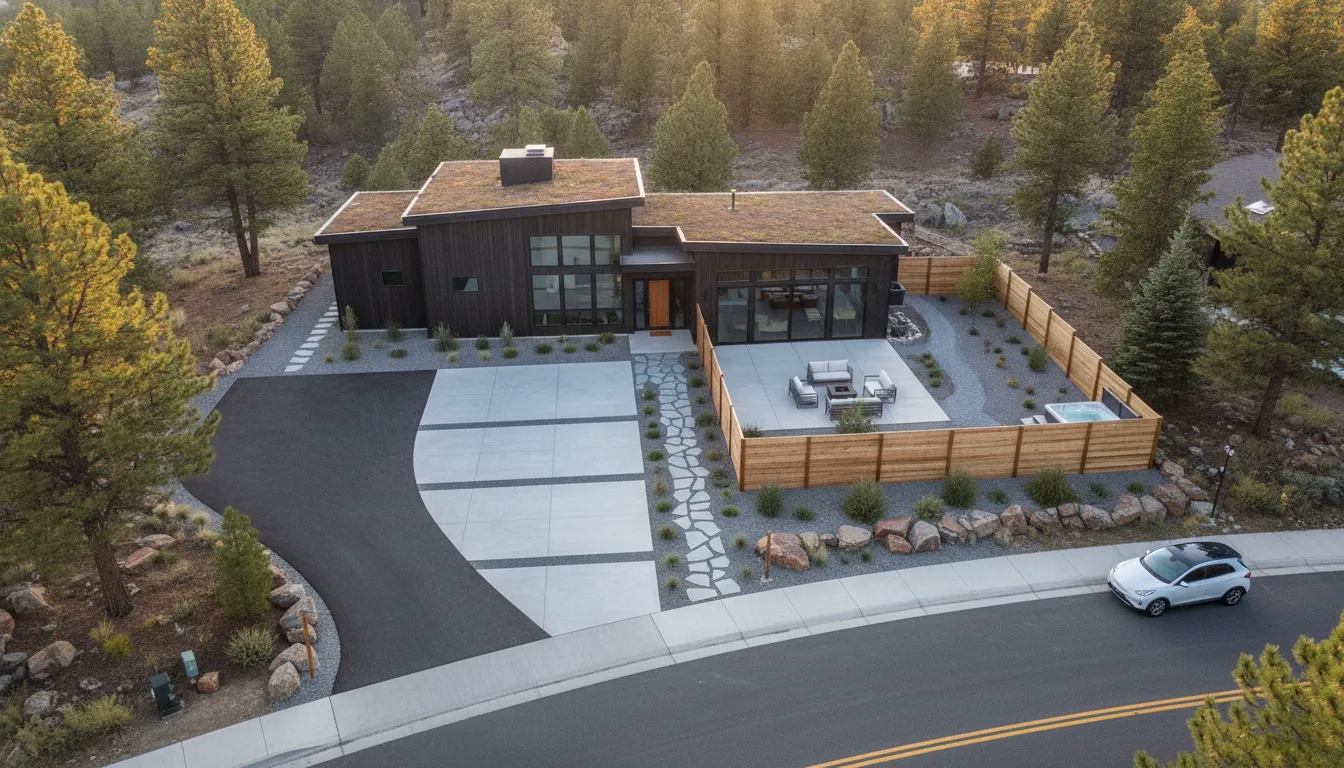
Pools, patios, decks, fire pits, accessory structures, and trash storage areas may affect the review. The local office may have separate rules for noise, barriers, waste pickup, or guest use of outdoor areas. Including relevant visible features gives the reviewer context for the proposed rental.
When can a site plan help with an STR application?
A site plan can help when the permitting office asks for a property-wide view of buildings, parking, access, and exterior features. It gives reviewers one organized visual reference instead of making them piece together details from separate notes.
Requirements differ, so ask the permit office whether a plan is needed and what it must show. Their answer helps you choose the right level of detail and avoid paying for information the application does not require.
| Reviewer question | Helpful site plan detail |
|---|---|
| Where will guests park? | Driveway, designated parking areas, and street access |
| How do guests reach the rental? | Building location, entrance area, gates, and paths |
| Which outdoor features are present? | Visible pool, patio, deck, fences, and accessory structures |
| Where are service areas? | Relevant trash, utility, or loading locations requested by the office |
My Site Plan creates remote online site plans for permits without requiring a site visit. The team uses available property information and customer-provided details to prepare the plan, then includes unlimited revisions. Review the current site plan pricing and package details before ordering.
Order a Medium Site Plan when your application needs common property features such as the driveway, accessory structures, trees, and a pool.
How should hosts check municipality-specific rules?
Use the official local application, zoning information, and permit-office guidance to build your submission checklist. Short-term rental requirements can change, and the correct rules depend on the property's location and circumstances.
Confirm eligibility before preparing documents
First, ask whether short-term rentals are allowed at the address and whether special zoning approval applies. Some offices distinguish between an owner-occupied rental, a whole-home rental, and a hosted stay. Understanding the correct category prevents you from preparing the wrong application.
Ask focused questions
If the written guidance does not answer everything, contact the office with a short list of specific questions. Ask whether a site plan is required, which exterior details must appear, what parking standard applies, and whether any separate fire or business review is involved.
Keep the review moving
After submitting, monitor the email address or portal connected to the application. If a reviewer asks for a revision, respond to each item directly and provide the corrected file with a clear name. My Site Plan's unlimited revisions can help when a permit reviewer requests changes to the site plan.

Common application delays hosts can prevent
Incomplete attachments, outdated rules, unclear parking information, and missed follow-up requests often slow an application. A final review before submission can prevent many avoidable corrections.
Using an outdated checklist
Requirements can change between application cycles. Download the current form directly from the governing office and note its revision date when available. If an older blog post or host forum conflicts with the official guidance, follow the official source.
Leaving property details unclear
A reviewer should not have to guess where guests park, which building contains the rental, or how outdoor spaces will be used. Label requested items consistently across the application and supporting plan. If a feature is not visible in available imagery, provide the information requested by the drafting team.
Missing a correction deadline
Permit offices may close an incomplete application if the applicant does not respond within a stated period. Add review emails to a monitored inbox, save every requested correction, and answer each point in an organized response.
Forgetting ongoing responsibilities
Approval may not be the final administrative step. Hosts may need to renew the permit, update contact information, maintain required records, or follow operating rules. Add relevant dates to a calendar and retain the approved documents with the property's operating files.
How My Site Plan supports permit preparation
My Site Plan helps hosts obtain a clear property layout online, often in under 24 hours, when their short-term rental application calls for one. The remote process is designed for people who need to move quickly without coordinating a site visit.
Hosts can submit the property address, choose a plan package, and provide any details the local office wants shown. The drafting team prepares the plan and supports unlimited revisions. My Site Plan also offers guaranteed acceptance by building departments and HOAs where applicable, backed by a 100% money-back guarantee.
A Medium Site Plan commonly fits short-term rental applications that need property lines, structures, measurements between features, a driveway, trees, accessory structures, and a pool. Applications requiring more visible landscape and path detail may call for the Detailed Site Plan. Confirm the required elements with the permit office before choosing.
Frequently asked questions
Do all short-term rentals need a permit?
No. Requirements depend on the property's location and how the rental will operate. Check with the city, county, and any HOA before accepting bookings.
Does every short term rental permit application need a site plan?
No. Some offices request one to show parking, structures, access, or outdoor features, while others do not. Ask the office reviewing your application what it requires.
What should a host show on a requested site plan?
Follow the permit office's checklist. Common requested details include the property layout, building location, driveway, parking areas, access paths, and relevant exterior features.
How long does permit approval take?
Timelines vary by location, application volume, and whether corrections are required. The local permit office can provide the most relevant estimate.
Prepare your short term rental permit application
Start with the local checklist, confirm what the reviewer needs, and organize every attachment before submitting. If the application requests a property layout, My Site Plan can create it remotely and help address revision requests.
Order your short-term rental site plan online or call 1-800-969-6415 to discuss the right plan for your application.

