



Guaranteed Sites Plans in Under 24 Hours

Across the country, rising housing costs are pushing buyers to rethink what “home” really means. From downsizing square footage to exploring alternative construction methods, Americans are searching for smarter, more affordable paths to homeownership. Interest in smaller and factory-built homes continues to grow as buyers look for ways to maximize value without sacrificing comfort or quality.
One option gaining serious attention is the modular home. Built in sections within a controlled factory setting and assembled on-site, modular homes offer a streamlined construction process that can reduce build times and potentially lower overall costs.
But what exactly is a modular home? How much does one really cost? And are the savings worth it in the long run? In this guide, we’ll break down modular home prices, explore the factors that affect cost, and help you understand what to expect based on size, customization, and quality.
This article is for informational purposes only. Always verify requirements, permits, and regulations with your local building authority before beginning any home project.
Table of content
What is a modular home? Examples of modular homes How much do modular homes cost? Base and delivery costs of a modular home Installation costs of a modular home Customization and additions costs Average modular home prices Factors impacting modular home prices Size Quality and Customization Factors impacting installation cost Site prep Foundations Delivery Installation (or ‘buttoning up’) Utilities Taxes and fees Outdoor additions Cost of expanding a modular home Modular homes FAQs
Quick Answer
Modular homes typically cost about $80–$310 per square foot after delivery, installation, and upgrades. That means a 1,500 sq ft modular home can range roughly $120,000–$465,000 depending on size, finishes, and customization.
What is a modular home?
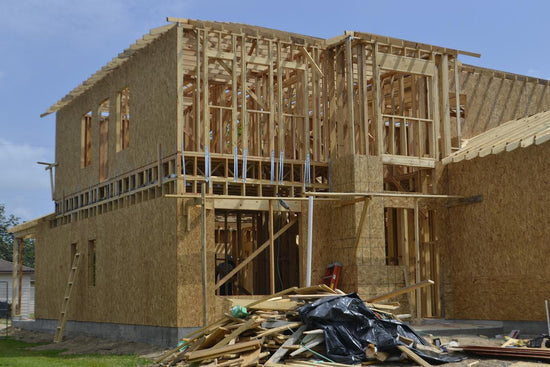
Modular homes are any type of dwelling constructed from large sections instead of being built from the ground up. These sections are typically assembled in a large factory within one to two months and may not even be made with housing as the primary intent. Then, they are shipped to where they are needed and turned into a home.
Modular homes come in a variety of styles, including Ranch, Cape Cod, two-story, duplex, modern, and French country.
Modular Homes vs. Manufactured Homes: Cost and Key Differences
It’s easy to confuse modular homes with manufactured (or “mobile”) homes, but there are some important distinctions—especially when it comes to price, construction, and the long-term value of your investment.
Cost Comparison
- Modular homes typically range from $50 to $100 per square foot (for the basic unit alone).
- Manufactured homes (classic “mobile homes”) are generally more affordable, clocking in around $30 to $60 per square foot.
In terms of total price tags:
- Modular units often total $75,000 to $150,000 (before land, installation, upgrades, or utilities).
- Manufactured homes start even lower, usually between $30,000 and $75,000 for the unit.
Construction & Building Standards
- Modular homes typically range from $50 to $100 per square foot (for the basic unit alone).
- Manufactured homes (classic “mobile homes”) are generally more affordable, clocking in around $30 to $60 per square foot.
In terms of total price tags:
- Modular units often total $75,000 to $150,000 (before land, installation, upgrades, or utilities).
- Manufactured homes start even lower, usually between $30,000 and $75,000 for the unit.
Mobility & Appreciation
- If you want a home that can grow roots—and hopefully gain value over time—a modular home is generally the way to go. Once installed, they’re considered true “real estate,” and they can appreciate in value similar to a site-built house.
- With a manufactured home, mobility is the name of the game. You can move it more easily, but since these homes aren’t on a permanent foundation, they usually depreciate rather than appreciate.
Size & Layout Options
- Modular homes often come in sizes ranging from 800 to 2,800 square feet, with the option of one or more stories.
- Manufactured homes tend to be more compact— 500 to 1,200 square feet—and stick to single-story layouts.
Timeline & Delivery
- Modular homes typically take about one to four months from order to move-in, thanks to their large-section construction.
- Manufactured homes can be ready remarkably fast—sometimes in as little as one to four weeks.
In summary, if you’re seeking maximum flexibility and the lowest upfront cost, a manufactured home might fit the bill. But if you’re looking for a permanent structure with strong long-term value and more customization, a modular home often makes the most sense.
Types of Modular Homes: Off-Frame vs. On-Frame
While modular homes all share the idea of being built in large sections and assembled on site, the way they’re put together—and even classified—can vary. Two of the most common types you’ll encounter are off-frame and on-frame modular homes, and the differences between them can have a big impact on everything from cost to how your home is valued in the future.
Off-frame modular homes: Off-frame modular homes are built in a factory, delivered to your site, and then set onto a permanent foundation (think concrete slab or full basement). Because they become a permanent part of the land, off-frame modulars are almost always appraised and financed just like traditional stick-built homes. Over time, these homes tend to hold or even increase in value, and they’re typically eligible for standard mortgages. The catch? They cost a bit more up front and aren’t designed to be easily moved once installed.
On-frame modular homes: On the flip side, on-frame modular homes are built with a steel chassis that remains attached even after installation. While this makes delivery and future relocation far simpler—and usually less expensive—it also means these homes are often categorized more like manufactured or mobile homes by lenders and tax authorities. They’re budget-friendly and ideal for buyers wanting flexibility, but can be harder to finance with traditional loans and may not appreciate in value as much as their off-frame cousins.
So, whether you’re looking for a permanent place to put down roots or something with a little more flexibility, understanding these two types will help you decide which works for your goals and budget.
Examples of modular homes
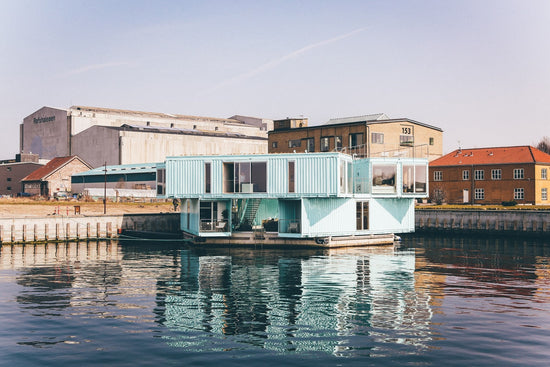
One popular example is how relatively low-cost shipping containers are transformed into homes by cutting windows and doors into them. Or, how multiple shipping containers can be welded together and altered in the same way to create a larger home.
Sometimes, these adjustments are made at a later point in time. A shipping container home may start as a single shipping container, but then, as the owner is able to afford more, a second container is added for more room. Like adding an addition to a regular home, this is a way to increase the square footage of the house.
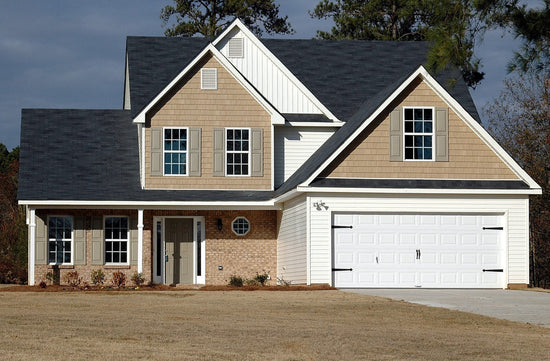
While shipping containers are a popular approach to modular home creation, many more options are now available. Companies exist that assemble modular homes that look like traditional homes. The only difference is that these are built in pieces and assembled in their final location. Because of this, modular homes can look like any other home you would find in a neighborhood.
How much do modular homes cost?
There are three key factors to consider when calculating the price of modular homes: the cost of the base and its delivery, installation costs, and the price of any desired customizations or additions. All things considered, modular homes costs anywhere between $80 and $310 per square foot.
According to HomeGuide, here is how modular home prices vary per square foot:
Typical Costs, Sizes, and Floor Plans of Major Pre-Built Home Brands
Just like traditional homes, modular and pre-built homes come in a dizzying assortment of brands, each offering different price points, features, and customization options. If you’re comparing top manufacturers, here’s what to expect when it comes to costs, available floor plans, and size ranges:
Cost Per Square Foot
- Most brands offer pre-built homes priced anywhere from $60 up to $275 per square foot. Where a particular home lands on this spectrum depends on factors like materials, design complexity, manufacturer, geographic location, and custom features.
- Entry-level options can often be found starting around $60–$80 per square foot, while highly customized or luxury finishes drive prices into the $150–$275 range.
Sizing and Floor Plans
- Home Sizes: Nearly all major brands provide a variety of sizes, with compact models as small as 360–600 square feet and large multi-bedroom layouts exceeding 4,000 square feet.
- Floor Plans: Expect anywhere from 50 to over 2,000 floor plans to choose from with leading builders. Some specialize in smaller lots or urban footprints (starting in the 400–1,000 sq ft range), while others cater to families or buyers seeking spacious, multi-level layouts (offering homes up to 9,900 sq ft).
What’s Included
- Delivery and Assembly: Many brands roll in delivery and on-site assembly costs into the base price, while others may charge extra depending on your location and the site’s accessibility.
- Customization: Standard floor plans abound, but most companies offer opportunities to tweak room layouts, kitchen and bath finishes, or add bonus spaces—at fees that typically fall within the per-square-foot rate.
- Warranties: It’s common for top brands to include structural and materials warranties. Some go further, offering appliance coverage for multiple years.
- Delivery and Assembly: Many brands roll in delivery and on-site assembly costs into the base price, while others may charge extra depending on your location and the site’s accessibility.
- Customization: Standard floor plans abound, but most companies offer opportunities to tweak room layouts, kitchen and bath finishes, or add bonus spaces—at fees that typically fall within the per-square-foot rate.
- Warranties: It’s common for top brands to include structural and materials warranties. Some go further, offering appliance coverage for multiple years.
Availability and Service Areas
National and regional manufacturers provide extensive service areas, covering the majority of the U.S. and parts of Canada. Some have a stronger presence in specific regions, which can affect pricing, transportation timelines, and the range of available plans.
If you have a specific style, size, or feature in mind, there’s a good chance at least one of the major brands offers a modular solution that fits your wishlist—and your budget.
Item |
Cost Per Square Foot |
Base and Delivery |
$50 - $100 |
Insulation and Finishing |
$30 - $60 |
Customization and Additions |
$0 - $150 |
Total |
$80 - $310 |
Prefab House Kit Pricing and What’s Included
While modular homes offer a range of options, prefab house kits are another popular route for those interested in faster builds and flexible budgets. The price of a prefab house kit generally falls between $30 and $150 per square foot, influenced by the size of the home, the number of bedrooms, quality of materials, and whether assembly is included.
- Mid-range kits: These typically range from $30 to $90 per square foot. They tend to offer solid value with decent materials, but might require homeowners to handle some aspects of assembly themselves.
- High-end kits: For those seeking more upscale finishes, expect to spend closer to $150–$200 per square foot.
- What do these kits actually include? At their core, you’ll receive a complete package of structural components—think walls, floors, and roof panels—ready for assembly. Most kits are shipped for you or your contractor to set up, and timelines can vary: a small cabin may come together in just a few days, while a larger prefab with multiple rooms could keep builders busy for a few weeks.
Keep in mind, local regulations still apply, and you’ll need permits before starting the build. Some kits may not include every last detail; for example, you might be required to purchase roof shingles or specialty fixtures separately. And if you opt for professional assembly, add roughly 10% or more to the overall cost.
In addition to the basic structure, a fully move-in ready prefab house kit will usually include the groundwork for plumbing and electrical connections, as well as options for adding a foundation, septic system, or water well—each an important consideration for total project cost.
Base and delivery costs of a modular home
A modular home starts with the cost of the home itself. This is the price of the actual modules, which will go on to become the home. On the cheaper end, these modular homes tend to cost around $50 per square foot. These homes will be made from less expensive materials and may not look as nice as other options. Meanwhile, more up-scale modular home options start at around $100 per square foot. These will be made from better materials and will typically look much nicer.
The costs above typically include delivery and setting the modules in place by a crane and a small crew.
What services come standard with major modular home brands?
When looking at what’s included in the price tag from leading modular home brands, you’ll notice several common services typically rolled in to make the process smoother (and save you the hassle of juggling dozens of contractors).
Generally, here’s what you can expect:
- Permitting and Land Prep Assistance: Many brands will help coordinate the permitting process and offer guidance on preparing your land for delivery. Some may even take care of all the paperwork for you.
- Foundation and Utility Planning: Most companies assist in planning the foundation type that suits your site and arranging utility hook-ups for water, electricity, and sewage. Some brands bundle these services, while others offer them as à la carte add-ons.
- Delivery and Set-Up: The cost usually covers transporting the modules to your site and assembling them on the foundation. This includes “buttoning up” – the professional joining and sealing of each section to ensure the finished home is snug and weatherproof.
- Customization Options: Want to tweak the floor plan, add a bedroom, swap out cabinetry, or install that glorious extra-deep bathtub? Big brands will have a menu of modifications—some included in the base price, others available for a fee.
- Warranty Coverage: Warranties are standard, covering construction quality and materials for at least the first year. Some brands extend this even further, providing several years of coverage on structural elements or major appliances.
Keep in mind, while these services are common, details can vary. Some brands feature extensive floor plan options (ranging from cozy starter homes to spacious multi-bedroom layouts), and many allow for turn-key installations—meaning you can move in as soon as the finishing touches are complete.
Notably, site preparation—like land grading, driveways, or landscaping—is often billed separately, so it’s smart to clarify exactly what is and isn’t included before you sign on the dotted line.
Installation costs of a modular home
While the cost of a modular home starts with the cost of the modules, it does not end there. It costs more to ship these modules to the location, install them, and do any other relevant work. Because of this, installation costs need to be considered as well.
There are a lot of different things that impact the price of installation. However, in general, the installation will add anywhere between $30 and $60 per square foot to the cost. This includes preparing the land and foundations, installing and buttoning up each section, and obtaining the relevant permits.
Customization and additions costs
If you’re after a basic, out-of-the-box modular home, you may not incur any additional costs. However, if you wish to customize your design, then these personalizations can cost up to $150.
Average modular home prices
With this range in mind, we can determine the price of an average home. As American houses are about 2,200 square feet , a modular version of this home can cost anywhere from $176,000 to $682,000, depending on the base chosen, the customization options selected, and the cost of installation.
Square Footage |
Base Model Cost |
Total Finished Cost |
1 |
$50 – $100 |
$80 – $310 |
800 |
$40,000 – $80,000 |
$64,000 – $248,000 |
1,000 |
$50,000 – $100,000 |
$80,000 – $310,000 |
1,200 |
$60,000 – $120,000 |
$96,000 – $372,000 |
1,500 |
$75,000 – $150,000 |
$120,000 – $465,000 |
2,000 |
$100,000 – $200,000 |
$160,000 – $620,000 |
2,200 |
$110,000 – $220,000 |
$176,000 – $682,000 |
2,500 |
$125,000 – $250,000 |
$200,000 – $775,000 |
3,000 |
$150,000 – $260,000 |
$240,000 – $930,000 |
Cost of Modular Log Homes
If your dream home involves a more rustic aesthetic, modular log homes are a solid option to consider. On average, the base price for a modular log home ranges from $50 to $100 per square foot. However, it's important to remember that, just like with conventional modular homes, this base price doesn't include the important extras—such as site preparation, building a foundation, hooking up utilities, finishing the interior, or assembling the modules on-site. All of these factors combined can add an additional $15 to $80 per square foot to your total project cost.
For reference, here’s what you might expect for complete base kits (before installation and finishing):
Home Size (Square Feet) Base Model Cost 200 – 600 $25,000 – $55,000 750 – 1,300 $50,000 – $120,000 1,300 – 1,700 $90,000 – $150,000 1,700 – 2,500 $105,000 – $225,000 2,500 – 3,500 $170,000 – $275,000 Keep in mind, those numbers are just for the prefab structure itself. The final price tag will climb with every custom finish or upgrade you choose.
One appealing aspect? Modular log homes are typically about 30% less expensive than traditional stick-built log cabins, making them a great option for those who like the charm of a log home without the hefty cost. Plus, if you have some construction know-how and are up for more hands-on involvement, some folks opt for log home kits and handle much of the on-site work themselves, which can lead to notable savings.
Factors impacting modular home prices
As you can now see, modular home prices have a lot of variety to them. This is because there are so many different factors influencing the price. To make sure you are getting what you want from your modular home, it is important to know what is having an impact on this price.
Size
The factor with the greatest impact on the cost of a modular home is the size and number of modules it will end up having. Purchasing larger modules and purchasing additional modules will cost more. This is because the modules will use more materials and, in doing so, eat up more costs. It’s simple: the more you get, the more you pay.
On average, a small, single-story modular home costs between $110,000 and $275,000 to install (no customizations or additions), while a very large family home costs between $160,000 and $460,000 without customizations or additions.
According to HomeGuide, the cost of a modular home based on the number of stories, bedrooms, and bathrooms looks something like:
Floor Plan |
Square Feet |
Base Unit |
Total Installed |
1 |
$50 – $100 |
$80 – $160 |
|
Average 1-Story |
1,400 - 1,700 |
$70,000 – $170,000 |
$110,000 – $275,000 |
Average 2-Story |
1,500 - 2,000 |
$75,000 – $200,000 |
$120,000 – $320,000 |
2 Bedroom / 1 Bathroom |
800 - 1,400 |
$40,000 – $140,000 |
$65,000 – $225,000 |
2 Bedroom / 2 Bathroom |
1,000 - 1,500 |
$50,000 – $150,000 |
$80,000 – $240,000 |
3 Bedroom / 2 Bathroom |
1,200 - 1,800 |
$60,000 – $180,000 |
$95,000 – $290,000 |
3 Bedroom / 3 Bathroom |
1,400 - 2,500 |
$70,000 – $240,000 |
$115,000 – $365,000 |
4 Bedroom / 2 Bathroom |
1,600 - 2,600 |
$80,000 – $250,000 |
$130,000 – $380,000 |
4 Bedroom / 3 Bathroom |
1,700 - 3,000 |
$85,000 – $270,000 |
$135,000 – $430,000 |
5 Bedroom / 3 Bathroom |
2,000 - 3,200 |
$100,000 – $290,000 |
$160,000 – $460,000 |
The average size of a tiny home in America is 225 square feet. Meanwhile, the average size of a normal home is around 2,000 square feet. Considering a mid-range price of around $75 per square foot for the basic cost of a modular home, the average tiny home would cost $16,875, and the average normal home would cost $150,000. As you can clearly see, this is a massive difference in price, and this is before installation costs are even considered.
This is why you should carefully consider what you want before you start building a home. Drafting up an example site plan is a good way to start visualizing the home before you have to make any decisions.
Regional Differences in Design and Size
It's also important to recognize that where you build your modular home can have an impact on its design and size. While you might expect wild price fluctuations across the country, costs for modular homes tend to stay relatively consistent nationwide. However, the style and dimensions of your future home can be shaped quite a bit by local building codes—and by the practicalities unique to certain regions.
For instance, modular homes in the East tend to be a bit shorter—extended modules usually max out at around 60 to 70 feet in length. In contrast, homes in the West and Midwest often feature longer modules since there’s simply more space (and fewer delivery headaches). If you’re building in a busy urban area, keep in mind that your home’s ceiling height may be limited, too. Most city regulations cap ceiling heights at 10 feet to ensure your modules can be transported on trucks without trouble from low overpasses—nobody wants their brand-new living room wedged under a highway.
Local neighborhood flavor is another factor—some regions have stricter requirements on exterior appearance so your modular home blends in. Whether you're dreaming of a Cape Cod in Massachusetts or a contemporary ranch in Arizona, expect some local adaptation both for rules and for road practicality.
Quality and customization
While the basic cost of a modular home comes from the modules themselves, not all modules are built the same. Their quality has a big impact on the price.
Lower-quality home materials cost less than higher-quality ones. This is the reason why shipping containers are a popular choice for modular homes, as they are made from cheap materials. For these, you’d be looking at around $50 per square foot.
However, shipping containers don’t exactly look good, and most people want something that more accurately reflects the look of a traditional home. Unfortunately, getting something like this costs more like $100 per square foot.
In addition, custom models will significantly drive up the price. Customization takes time and effort on behalf of the manufacturer, and they will be sure to charge accordingly. Usually, these costs add $10 to $150 per square foot.
Floor Plan |
Square Feet |
Customized Base Unit |
Total Installed |
1 |
$60 – $250 |
$90 – $310 |
|
Average 1-Story |
1,400 - 1,700 |
$84,000 – $425,000 |
$260,000 – $530,000 |
Average 2-Story |
1,500 - 2,000 |
$90,000 – $500,000 |
$135,000 – $620,000 |
2 Bedroom / 1 Bathroom |
800 - 1,400 |
$48,000 – $350,000 |
$72,000 – $435,000 |
2 Bedroom / 2 Bathroom |
1,000 - 1,500 |
$60,000 – $375,000 |
$250,000 – $465,000 |
3 Bedroom / 2 Bathroom |
1,200 - 1,800 |
$72,000 – $450,000 |
$110,000 – $560,000 |
3 Bedroom / 3 Bathroom |
1,400 - 2,500 |
$84,000 – $625,000 |
$126,000 – $775,000 |
4 Bedroom / 2 Bathroom |
1,600 - 2,600 |
$96,000 – $650,000 |
$140,000 – $810,000 |
4 Bedroom / 3 Bathroom |
1,700 - 3,000 |
$100,000 - $750,000 |
$150,000 – $930,000 |
5 Bedroom / 3 Bathroom |
2,000 - 3,200 |
$120,000 - $800,000 |
$180,000 – $995,000 |
Factors impacting installation cost
While the cost of the modular home itself will be the most significant aspect of the total cost, installation needs to be considered too. The total cost of installation will vary depending on the location and the amount of work you need to have done.
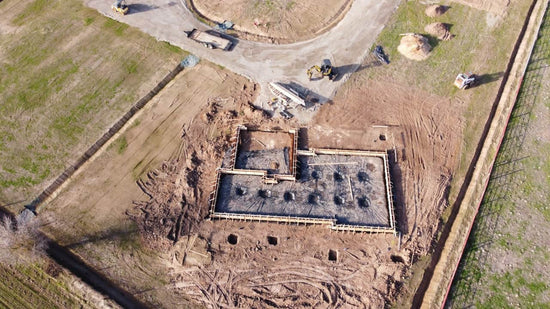
Site prep
The preparation costs cover everything from landing surveys to clearing, excavating, and grading the land. The process looks something like this:
The land survey lets the company know what work needs to be completed.
Then, the area is cleared of anything that is in the way. This includes large rocks, trees, other plant life, and any other debris that hinders construction.
Finally, the land is leveled, if necessary, and space for the foundation is made.
The costs for this prep are as follows:
Type |
Average Cost |
Land Survey Costs |
$350 – $1,000 |
Land Clearing Costs |
$1,350 – $3,900 |
Excavation |
$1,600 – $4,400+ |
Land grading cost |
$600 – $2,000 |
Total |
$3,900 – $11,300 |
Each step in this process costs money, but the price depends on the amount of work that needs to be done. If you are dealing with completely flat land, installation costs will be on the lower end, at around $3,900. If you are building a house on a slope and need to have a lot of trees cleared out first, then the installation costs will be much higher, closer to $11,300.
To reduce these costs, you can pick a site that requires very little work. This means picking a place relatively free of obstacles. If this isn’t the case for the property you have, you can work to clear it yourself, which will save on installation costs. Unfortunately, reshaping land that is sloped is something best left to professionals and should generally be avoided as a do-it-yourself project.
Foundations
Every home starts with a solid foundation. Once the area is cleared and fully prepared, this foundation can be built. In general, the cost of a modular home foundation ranges from $7 to $30 per square foot. The exact cost depends on what type of foundation you choose. You can opt for pier and beam foundations, crawl spaces, basements, or stilts and pilings.
The costs for these are as follows:
Can You Place a Modular Home on a Concrete Slab?
While it may seem tempting to use a simple concrete slab as a foundation option, modular homes generally require more robust support. Typically, concrete slabs are not recommended for modular home installations because they may not provide the necessary strength to handle the weight of the modules. Over time, this can lead to cracking, uneven settling, and other structural issues—which nobody wants to deal with after move-in day.
Most modular homes are built on foundations such as crawl spaces, basements, or pier-and-beam systems. These options not only provide better support but also leave space beneath the home for important systems like HVAC, plumbing, and electrical connections. If you do come across an on-frame modular design, you might have the flexibility to skip a permanent foundation for a more budget-friendly option. Just keep in mind that traditional lenders often prefer permanent foundations and may classify homes without them differently, which could limit your financing options.
If a concrete slab is your only option, consult with a structural engineer first to determine if it can be reinforced to suit modular construction. Otherwise, sticking with proven foundation types will help you avoid headaches—and costly repairs—down the road.
Type |
Cost Per Square Foot |
Average Total Cost |
Basement |
$33 – $47 |
$20,000 – $29,000 |
Crawl Space |
$7 – $14 |
$6,300 – $16,300 |
Pier and Beam |
$7 – $11 |
$3,000 – $8,000 |
Stilts / Pilings |
$11 – $19 |
$12,000 – $30,000 |
If you’re not sure which foundations to go for, here’s an overview of the pros and cons of each one:
Pier and beam foundations are the most basic choice. These are cheap and easy to assemble. However, they don’t add any utility to the home.
Crawl spaces are similar to pier and beam foundations but add a little bit of utility. They effectively give the home a small amount of basement storage. This can be a great way to make space within the home, as it may require you to spend less on closets and other storage areas. However, crawl spaces will cost more than pier and beam foundations.
Basements are even more elaborate than crawl spaces. A basement is effectively an additional room that is added to the house. This will dramatically increase the cost of the foundation but is by far the most helpful option.
Stilts and pilings are useful in specific situations. These essentially put the house or sections of it on stilts. They are used when the house is built on a dramatic slope or in places where keeping the house on the ground would expose it to flooding and other water damage.
Delivery
Another big factor influencing modular home prices is the cost of delivering and moving the home itself. The average cost to deliver a modular home is $5 to $10 per square foot or between $3,000 and $12,000 depending on the size, number of modules, and distance.
Delivery |
Cost per square foot |
$5 – $10 |
Delivering a modular home includes transportation, an on-site crane, and a crew to set the modules onto the foundation. Delivery does not include “button-up” fees for finishing the home.
Smaller homes will require fewer parts, which will cost less to deliver and assemble. If you want a larger home, you will have to take on the increase in costs.
This is the point in the process where the pieces of the home are taken from the manufacturer and set up at the site. However, after the home is set up, it is not completely ready yet. It still needs to be fully installed in a process called “buttoning up” before it will be livable.
Installation (or ‘buttoning up’)
The installation or buttoning-up process is where the separate parts of a modular home come together in a unified way. This typically costs somewhere between $5 to $35 per square foot. Where exactly a home will fall in this range depends on how much needs to be done. A home with many modules and additional pieces will cost more to assemble. However, a simple and straightforward home consisting of only a few pieces will be on the lower end of the spectrum.
Installation |
Cost per square foot |
$5 – $35 |
The installation or buttoning-up process is like assembling modular furniture after the pieces are delivered to you. This process starts with connecting the modules themselves and installing any additional pieces. From there, other work like installing drywall, carpentry, and other small adjustments can be completed. Finally, testing and inspection are conducted to ensure that the home is safe to live in.
Utilities
A home doesn’t just sit on a property. To function properly, it needs to be connected to a number of different utilities. Otherwise, you are dealing with a home that doesn’t have running water or even electricity.
In general, the cost to hook up utilities ranges from $3,000 to $30,000. This is partially influenced by the property itself. If the soil is difficult to dig into and the lines are hard to reach, the price will be slightly higher. However, a higher utility cost typically comes from any special additions the owner desires. A septic tank and a well will help make the home more self-sufficient. However, both will require an upfront cost.
Utilities Cost per property $3,000 – $30,000 But let’s dig a little deeper—utilities entail much more than just flipping a switch and watching the lights come on. There’s a whole checklist of systems and connections required for a modern home to run smoothly. Depending on your location and needs, you may find yourself budgeting for the following:
Utility Average Cost New Electrical Panel $1,400 – $2,800 Electrical Wiring $6,000 – $22,500 Septic System $3,500 – $10,000+ Sewer Line Install & Connection $1,500 – $10,000+ Water Main Installation $500 – $2,500 Well Drilling $3,000 – $15,000 Plumbing Installation $2,300 – $5,200 Gas Line Installation $500 – $2,000 HVAC (Heating, Ventilation, Air Conditioning) $5,000 – $11,000 Prices will swing widely based on the property’s characteristics and your own “wish list.” Rural properties often require extra investments like wells, septic tanks, or even solar power, which can add a significant chunk to your total. On the other hand, homes in established neighborhoods with existing lines nearby may fall closer to the lower end of the spectrum.
Be sure to account for these essential connections when budgeting—because a beautiful new home isn’t quite as welcoming without running water, power, and a warm shower.
Utilities |
Cost per property |
$3,000 – $30,000 |
Taxes and fees
On top of everything else, you will have to pay taxes and fees. Typically, taxes are included in most estimates. However, you should always make sure this is the case before agreeing to a purchase, as taxes could alter the price by thousands of dollars.
Sales Tax on Modular Homes
One significant cost to consider is sales tax, which generally ranges from $5,000 to $15,000, or about 5% to 7% of the total home price. Sales tax is often bundled into base price estimates, but this varies by state, so it’s important to double-check with your builder and local authorities. Depending on where you live, this tax alone could be a major line item in your budget.
Fees will vary depending on the locality. Many places require permits and other legal documentation for you to build on a property, including a building permit, mechanical permits, pre-plan review, certificate of occupancy, and/or driveway construction permit.
The exact cost of these will depend on what you are doing and how much the area charges. On the low end, fees may cost as little as $500. On the high end, it may cost as much as $4,000. However, around $1,000 seems to be the average.
Taxes and fees Total cost $500 – $4,000* Sales tax: $5,000 – $15,000 (5–7% of total home price)
Taxes and fees |
Total cost |
$500 – $15,000 |
Outdoor additions
Another factor that has the potential to increase the price of installation dramatically comes from outdoor additions.
Some of these additions are large and entirely optional. These include elements like decks, garages, and fences which help make the home look better and could increase the home’s value overall. For example, a garage addition will actively protect a car and give the owner more storage space.
Other additions include things that most people consider essential and wouldn’t even think of as additions. These include a driveway and any landscaping around the house. Most people want a place to park their car and a path to the front door, so these additions should absolutely be considered.
It’s important to remember that features like the driveway, garage, utility connections, and landscaping are typically not included in the basic “buttoning up” or finishing of your modular home. While your house may look move-in ready on the outside, these outdoor elements are often separate projects that require their own budgets and timelines. Planning ahead for these extras can save you from any last-minute sticker shock.
Upgrade Average Cost Garage Addition Costs $10,000 – $25,000 Deck Costs $4,000 – $10,000 Basement Foundation Costs $25,000 – $80,000 Basement Finishing Costs $22,000 – $46,000 Driveway Costs $600 – $8,000 Fence Costs $1,500 – $3,000 Landscaping Costs $3,000 – $16,000 Shed Costs $1,500 – $5,000
Upgrade |
Average Cost |
Garage Addition Costs |
$10,000 – $25,000 |
Deck Costs |
$4,000 – $10,000 |
Basement Foundation Costs |
$25,000 – $80,000 |
Basement Finishing Costs |
$22,000 – $46,000 |
Driveway Costs |
$600 – $8,000 |
Fence Costs |
$1,500 – $3,000 |
Landscaping Costs |
$3,000 – $16,000 |
Shed Costs |
$1,500 – $5,000 |
Cost of expanding a modular home
Many modular homeowners end up adding to their homes later on. They may outgrow the home as their family expands, finally have the money to add to the place, or simply want more room in their house. When they add to a house like this, it is called a modular addition.
A modular addition can be any number of different things. It could be an extra bedroom, a second story, another bathroom, or something else entirely. The great part about modular homes is that they can be added onto in any way.
However, when it comes to modular additions, the costs are different. On average, a significant modular addition will cost between $100 and $200 per square foot. The exact cost will depend on how significant the addition ends up being. For example, adding a second story to a home requires a major renovation and will end up costing quite a bit. Meanwhile, simply attaching another room to the side of an existing home will cost less.
Room |
Average Cost |
Includes |
Bedroom / Office |
$11,000 – $20,000 |
~144 square feet with new foundation and roof |
Bathroom Addition |
$15,000 – $40,000 |
Toilet, shower, tub, sink, finishes |
Guest House / In-law Suite |
$45,000 – $135,000 |
~600 – 750 square feet, mid-sized bath, 3 windows, concrete slab, and more |
Second Floor |
$100,000 – $300,000 |
~1,200 square feet of bedrooms, bathrooms, windows, staircase. |
Whether you’re thinking of installing a new modular home on your property or expanding your existing one with additional modules, drafting up an example site plan is a good way to start visualizing the home before you have to make any decisions. MySitePlan can create your mock up in as little as 24 hours. Get in touch today to get started
Modular homes FAQs
What are the advantages of modular homes?
The biggest advantage of choosing a modular home is the price. This is what initially attracts many people to modular homes and is a big part of their popularity. In general, modular homes cost around 15% less than their alternatives.
While a 15% reduction in price might not sound like a lot at first, it ends up being a significant amount of money when dealing with expensive homes. For example, a 15% discount on a $100,000 home saves $15,000. You could put this extra money in savings or use it to make the home even bigger.
On top of initial cost savings, modular homes save money in the long run. They are generally very energy-efficient and, thus, will save money on utility bills. They are also durable and built to withstand the test of time.
The other big advantage when it comes to modular homes is that they are faster to build. While traditional homes may take a year or more to build, modular homes are ready in only a few months. If you are in any sort of a hurry to build your home and move in, a modular home will suit your needs perfectly.
Finally, modular homes offer an amazing level of customization. Most homes will have specific features they need to include, even if you don’t actually want that feature for your home. However, modular homes often have the option for you to pick exactly what you need and only include those features. So, with a modular home, your house is built to your specifications.
What are the disadvantages of modular homes?
Most of the disadvantages of building a modular home come from area-specific problems. These are issues that will have a bigger impact on some locations and localities than others.
First off, the availability of land has a big impact on the overall efficacy of a modular home. If no good land is available or if the land is simply extremely expensive, then building a modular home will either be impossible or will face excessive costs. This is why modular homes are more popular in rural areas and less popular in urban ones.
Other laws and regulations have an impact here as well. Some areas place restrictions on building modular homes, making it difficult or impossible to do. Others impose fees that significantly add to the cost. Some states even place an additional tax burden on modular homes, depending on how the state classifies these dwellings.
While many of these problems are location-specific, there are others too. One is the fact that the down payment is usually higher, which means the owners need to have more money before starting construction. In addition, financing a modular home can be difficult, as some banks classify them in a way that restricts loans.
How much are modular homes?
Modular homes come in a variety of shapes and sizes. Because of this, modular home prices are varied too. In general, you can expect to spend somewhere between $80 and $310 per square foot, which includes the cost of the home and installation. However, the exact price of your home is highly dependent on your individual wants and needs.
Price Range |
1,000 sq. ft. |
1,500 sq. ft. |
2,000 sq. ft. |
2,500 sq. ft. |
Low |
$80,000 |
$120,000 |
$160,000 |
$200,000 |
High |
$310,000 |
$465,000 |
$620,000 |
$775,000 |
Are modular homes cheaper than stick-built homes?
When compared to stick built homes, modular houses cost 10 to 20% less to build. They are also more energy efficient and incure lower monthly expenses. In most cases, a modular home is cheaper than a stick-built one, both to build and to maintain.
Beyond the initial savings, modular homes offer a few other key advantages over traditional site-built houses. Not only are they typically constructed 30% to 60% faster, but their high-quality materials and precise factory assembly mean they’re built to last just as long. Plus, modular homes appreciate in value much like their stick-built counterparts—debunking the myth that they lose value over time.
Another notable benefit is durability. Modular homes are engineered to meet rigorous safety standards and are often better equipped to handle extreme weather events, such as flooding and hurricanes, compared to many site-built homes. So, along with saving money upfront and month-to-month, you’re also investing in a home built for the long haul.
Do modular homes depreciate?
Unlike mobile homes which almost exclusively depreciate, a modular home appreciates and depreciates with the economy, just as a stick-built home does. The process of obtaining a loan or mortgage for a modular home is also much the same as getting one for a traditional home.
How much does it cost to move a modular home?
Though a modular home isn’t the same as a mobile home, it can be moved from one property to another. According to HomeGuide, it costs anywhere between $5,000 and $15,000 to move a modular home, depending on how big the modular home is, how far it’s being moved, how complex the set-up and removal will be, and what permits are needed.
How long do modular homes last?
How long does it take to build a modular home?
Assuming you already have the land and the relevant permits, it takes around three months to build a modular home. This includes designing it (which can take up to 12 weeks), preparing the land (another week), building the foundations (around four weeks), and building and installing the modules (around fice weeks). If you also need to purchase land and/or obtain a permit, you should add another six to nine weeks to that estimated timeline.
How are modular homes built?
Not to be confused with panellised housing, modular homes are built by manufacturing a series of three-dimensional ‘modules’ in a factory and then delivering them to a site where they are assembled into a complete home.
The end-to-end process involves designing the module, preparing the site for its arrival, creating the foundations, delivering and assembling the modules, then buttoning them up to make them liveable.
Can you put a basement on a modular home?
A modular home can have a basement. It can either be built on a pier and beam system with a crawl space or directly on a basement foundation. Creating the foundations for your basement costs between $25,000 and $80,000, with the finishing costs ranging from $22,000 to $46,000.
Why do modular homes sometimes cost more than the advertised base price?
Advertised base prices (like $65,000) usually reflect just the factory-built shell. Once you factor in site prep, foundation, utility hookups, delivery, permits, and finishing work, the final cost can double or even triple compared with the base model price.
How long does it take to complete a modular home addition?
One of the big perks of choosing a modular addition is the timeline. While traditional site-built additions can stretch out over four months or more, modular home additions typically move much faster, often wrapping up in just one to two months from start to finish. This means you’ll be able to enjoy your new space—and any peace and quiet—significantly sooner.
Can modular homes withstand extreme weather conditions?
Yes, modular homes are engineered to meet or exceed the same building codes as traditional stick-built houses, which means they’re designed with safety in mind. In fact, modular construction often results in homes that are more robust and resilient, especially when it comes to standing up to challenging weather. Thanks to the controlled factory environment and strict quality checks during production, modular homes can offer enhanced resistance to hazards like flooding, high winds, and hurricanes—sometimes outperforming traditionally constructed homes in these situations. However, just like any home, the ability to withstand extreme weather will also depend on the specific design, materials used, and local building standards.
This article was originally published on 2023-05-01. This article was updated on 2026-02-16 by Ryan Crownhold with the latest information and pricing.
About the author

Ryan Crownholm
Ryan is a construction technology founder and former contractor with 15 years of hands on experience in residential and commercial construction. He has been creating site plans for more than 25 years, supporting tens of thousands of homeowners and contractors across the United States. As the founder of MySitePlan.com, his work is grounded in real world permitting requirements, plan review feedback, and practical compliance standards used by local building departments.


