


You can change paint colors, update kitchen cabinets, and even swap out the siding down the road. But your house foundations? That choice is pretty much permanent. It’s the literal groundwork for everything that follows, and getting it right is one of the most important first steps when building a home. The right foundation isn't a one-size-fits-all solution. It depends heavily on your local climate, the soil, and of course, your budget. We'll break down the different types so you can feel confident in your decision from the ground up.
If you’re considering investing in a new home, you need a refresher on this fundamental detail.
Should you choose a slab house foundation, a crawl space, or a daylight basement? Here’s everything you need to know about house foundation types. We also answer your other burning questions.
Table of content
What is the foundation of a house?
Let’s start at the beginning: what are house foundations? A house foundation is the structure on which your home rests. It's essentially the base that supports the weight of the entire structure, transmitting its load to the ground below in a way that prevents the building from moving.
What are most home foundations made of?
Typically, home foundations are made of concrete, though sometimes they can be made of stone, brick, or other materials, depending on the building's design and local construction practices.
Most American homes use concrete slabs and crawl spaces for their foundation. Daylight basements are becoming more popular for families who want to age in place or have adult children moving back in.
House foundation types explained
The proper foundation for your house may be incompatible with someone else’s home, that’s why you need to consider factors such as the environment and your budget before choosing your foundations. Some house foundations are also better suited to people who like to renovate a lot.
Let’s take a look at the most commonly used house foundation types.
Crawl spaces
These house foundations earned their name for the little area of space beneath the home. They are made up of short foundation walls that sit on footings and are usually between three to five feet in length.
There are usually small vents to promote airflow through the crawl space and prevent damage. It’s important to check these space for moisture and water leaks too.
Pros and Cons of Crawl Spaces
One of the biggest draws of a crawl space is its cost-effectiveness; it's generally more affordable to build than a full basement. This type of foundation lifts your home about two to three feet off the ground, which provides fantastic access to your home's plumbing and electrical systems. Any future repairs or upgrades become much simpler when a contractor can easily get underneath the house. While it’s not a full basement, it does offer some extra room for storage. Plus, elevating the home can be a major advantage in areas that are prone to minor flooding, keeping your living space dry.
On the flip side, crawl spaces can be a headache if they aren't properly maintained. They are susceptible to moisture buildup, which can lead to mold, mildew, and unwelcome pests if the space isn't sealed and ventilated correctly. This moisture can also impact your home's energy efficiency. An uninsulated or poorly sealed crawl space can lose hot or cold air, potentially leading to higher energy bills throughout the year. Regular inspections are key to catching any issues before they become bigger problems.
When to Choose a Crawl Space
A crawl space is an excellent choice in a few specific situations. If your property is on a sloped lot, a crawl space is often a more practical and affordable solution than trying to excavate for a full basement. They are also well-suited for regions with damp soil or areas that experience minor flooding, as they raise the home’s first floor above the potential water level. For homeowners focused on energy efficiency, a crawl space can be a great option, provided it is properly insulated and sealed from the start. Before you begin any foundation work, you'll need to show its placement on your property, which is where a professional site plan becomes essential for your permit application.
Concrete slabs
Another popular house foundation is the concrete slab. Unlike the propped design of the crawlspace, the concrete slab rests directly on the ground.
Concrete slabs aren’t ideal for very cold weather due to how soil contracts, freezes, and shrinks during a temperature drop. The water supply and drainage pipes are also encased in the slabs, so these will need to be broken if the pipes need to be accessed or repaired. You also can’t retrospectively add a basement or crawl space with this type of house foundation. On the plus side, concrete slab foundations are quite affordable and last a long time.
Pros and Cons of Concrete Slabs
Concrete slabs are a go-to for many builders because they are affordable and built to last, making them an attractive option for new construction projects. However, like any choice in home building, they come with a few trade-offs. The biggest drawbacks relate to climate and future repairs. In colder regions, the ground's natural cycle of freezing and thawing can cause the soil to shift, which may lead to cracks in the foundation. Another significant consideration is access to utilities. Since water and drainage pipes are set directly into the concrete, any future plumbing issues will require breaking through the slab—a potentially messy and expensive job.
When to Choose a Concrete Slab
A concrete slab foundation is often the best choice for new homes being built on stable, level land, particularly in warmer climates where freezing ground isn't a concern. It's a reliable, low-cost option that can be installed relatively quickly, helping to keep construction timelines and budgets on track. If you're looking for a straightforward and economical foundation, the slab is hard to beat. Before you can begin any foundation work, you'll need to secure the necessary permits, which almost always requires a detailed drawing of your property. A professional site plan will show the exact location of the proposed foundation, property lines, and other essential features, ensuring your project starts smoothly.
Daylight basement
A frequently used house foundation is the daylight basement. These foundations are built against a slope, with at least one wholly embedded in the ground, from floor to ceiling, and at least one opening up to the outdoors. They are usually large windows and doors on this side to bring in daylight.
This house foundation type creates a homey living space and is much less prone to mold and mildew than regular basements. Many homeowners like to turn their daylight basement into a home gym, extra room for guests, or storage space.
Pros and Cons of Basements
A basement foundation offers some fantastic benefits, with the most obvious being extra space. It provides a large area for storage or can be transformed into additional living space, like a family room, home office, or guest bedroom. This added square footage can significantly increase your home's value. Plus, a basement serves as a safe shelter during severe storms. However, basements are generally the most expensive foundation type to build and maintain. They can be susceptible to moisture issues like flooding or mold, so you'll need to be diligent with upkeep. In areas with high water tables, a basement may not be practical due to the risk of water intrusion. When you're ready to build, your permit application will require a detailed site plan showing the foundation's footprint and excavation details.
When to Choose a Basement
So, when does a basement make the most sense? They are particularly advantageous in cold climates. In these regions, foundations must be dug deep to reach below the frost line to prevent shifting, which makes the additional cost of a full basement more reasonable. A basement is also ideal if you want a versatile space that can adapt to your needs over time, whether it becomes a home gym, a playroom, or an in-law suite. If you anticipate needing more rooms or storage in the future, or if you live in an area where severe weather is common, choosing a basement foundation is a practical and forward-thinking decision for your new home.
Insulated concrete form (ICF)
Insulating concrete forms are made of high-density foam and are used to form the wall structure when pouring concrete walls, helping to strengthen and insulate them. With a modular design, they are quick and easy to use. They’re also highly durable, particularly through natural disasters like hurricanes and earthquakes.
They are a popular choice because they’re insulating properties make the house up to 60% more energy efficient, and they’re cheaper to upkeep because they’re not made of damage-prone wood. However, ICF isn’t very porous so it can cause indoor humidity. Adding windows and doors retrospectively is also tricky.
Less common home foundations
There are three other house foundation types, though these aren’t as common. They include:
-
Wood foundations: Though they were once popular across America, these house foundations are prone to rot and insect activity, meaning most people avoid them for new builds.
-
Pile foundations: If the topsoil is too unstable or weak to support a house, piles are used as deep-seated stabilizers that can reach the more rigid rock or soil.
-
Stone foundations: These are highly durable but costly. So, while they can still be found in older homes, they’re not commonly used in new builds.
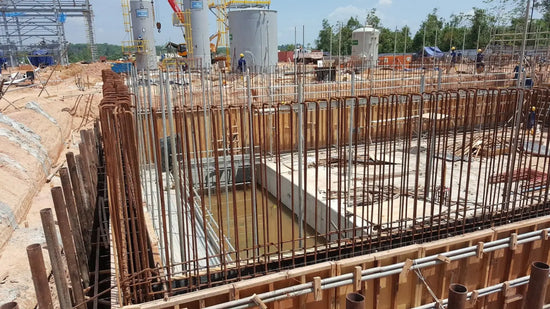
Types of Foundations You Need To Know About
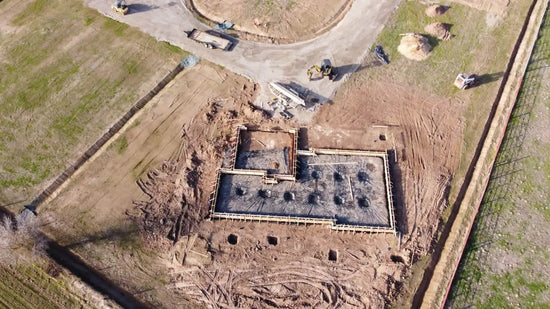
What is the Strongest Foundation for a House?
Pros and Cons of ICF Foundations
ICF foundations offer some impressive benefits, especially regarding durability and energy savings. The high-density foam forms provide excellent insulation, which can significantly lower your heating and cooling bills over time. They are also known for their strength and resilience, making them a solid choice in areas prone to extreme weather. On the downside, the non-porous nature of ICF can sometimes lead to higher indoor humidity if not managed with proper ventilation. Additionally, making changes later on, like adding a new window or door, can be more complex and costly than with other foundation types.
When to Choose an ICF Foundation
An ICF foundation is an excellent option if you live in a region that experiences natural disasters like hurricanes or earthquakes. Their robust, reinforced concrete structure provides superior protection against high winds and seismic activity. It's also a great investment for anyone focused on long-term energy efficiency and building a sustainable home. While the initial cost might be higher than some alternatives, the ongoing savings on utilities and the peace of mind that comes with a highly durable structure often make it a worthwhile choice for forward-thinking homeowners and builders.
Pier and Beam Foundations
A pier and beam foundation elevates a house off the ground. It uses concrete or wooden posts driven into the earth, which support beams that hold up the home's structure. This design creates a crawl space between the ground and the house floor. The primary advantage here is easy access to plumbing, electrical, and HVAC systems for repairs and upgrades. However, these crawl spaces can be susceptible to moisture issues and pests if not properly sealed and maintained, so regular inspections are a must to keep everything in good shape.
Raft or Mat Foundations
When dealing with weak or unstable soil, a raft or mat foundation is often the solution. This type consists of a large, continuous, reinforced concrete slab that covers the entire footprint of the building. By doing this, it spreads the total weight of the structure over a much wider area, reducing the pressure on the ground below. This distribution helps prevent the building from settling unevenly. It’s a specialized but highly effective method for sites where traditional footings wouldn't provide enough support, ensuring a stable base for the home.
Monolithic Slab Foundations
A monolithic slab is a type of slab-on-grade foundation where the footing and the floor slab are poured as one single piece of concrete. This "single pour" method makes it faster and often more affordable to construct than traditional foundations that require separate pours for the footings and slab. Because the edges of the slab are thicker to form an integrated footing, it provides solid support for the structure's load-bearing walls. This foundation type is especially popular in warmer climates where the ground doesn't freeze and heave during the winter.
Frost-Protected Shallow Foundations (FPSF)
In colder regions, a frost-protected shallow foundation is a smart alternative to digging deep footings below the frost line. This design uses strategically placed insulation, usually rigid foam, around the exterior of a shallow foundation. This insulation traps geothermal heat, preventing the ground underneath from freezing and shifting. By avoiding deep excavation, an FPSF can save significant time and money on construction, all while providing a thermally efficient base for the home. It’s an engineered solution that works with nature to create a stable foundation.
Raised (Stem-Wall) Foundations
A raised foundation, also known as a stem-wall foundation, starts with a concrete footing poured at the base of a trench. On top of this footing, short walls made of concrete or masonry blocks are built, which then support the walls of the house. This construction lifts the home anywhere from two to four feet off the ground, creating a crawl space. This method is particularly useful on sloped lots, as the stem walls can be built to different heights to create a level platform for the house, making it a versatile choice for challenging terrain.
Block Foundations
Block foundations are constructed using concrete masonry units (CMUs), commonly known as cinder blocks. These blocks are stacked on a concrete footing and bonded together with mortar to form the foundation walls for a basement or crawl space. This method is a classic for a reason: it’s strong, reliable, and generally more budget-friendly than poured concrete walls. While it can be more labor-intensive to install, a well-built block foundation provides excellent structural support and has been a trusted choice in residential construction for decades.
Key Factors in Choosing a Foundation
Selecting the right foundation isn't a one-size-fits-all decision. It’s a critical choice that impacts your home's stability, energy efficiency, and overall cost. Several key factors come into play, and you’ll need to weigh each one carefully with your contractor to determine the best path forward for your project. From the ground beneath your feet to the roof over your head, every element influences the type of support your home needs to stand strong for years to come. Thinking through these details early on will set your project up for success and prevent costly issues later.
Soil Conditions
The type of soil on your property is one of the most important factors. Different soils have unique properties that affect how they support weight. For instance, expansive clay soil can swell with moisture and shrink when it dries, putting stress on a foundation. Sandy soil drains well but can shift, while solid rock provides a firm base but can be expensive to excavate. It's crucial to check your land for any soil issues early in the process. A soil report can give you the detailed information needed to choose a foundation that will remain stable on your specific plot of land.
Climate and Geography
Your local climate and the topography of your lot play a huge role. In colder regions, foundations must be built below the frost line to prevent the ground from freezing and heaving, which can cause significant damage. In areas with heavy rain or high humidity, moisture control is a top concern, making foundation types with good water resistance essential. The shape of your land also matters. A sloped lot is often a perfect candidate for a daylight basement, while a flat lot in a warm, dry area might be best suited for a simple and cost-effective concrete slab.
Project Budget and Long-Term Costs
Your budget is a practical consideration that will guide your decision. Foundation costs can vary significantly. A slab foundation is typically the most affordable option upfront. However, a full basement, while a larger initial investment, can add valuable square footage to your home. It’s important to think about both the initial construction costs and potential long-term expenses. For example, a crawl space might be cheaper to build than a basement, but it could require future maintenance like encapsulation to prevent moisture problems, adding to the overall lifetime cost of the foundation.
Building Design and Size
The design of your house directly influences the type of foundation it needs. A large, two-story home carries a heavier load than a small, single-story cottage, and therefore requires a more substantial foundation to distribute that weight safely. The architectural style also matters. If your plans include a finished basement for a home theater or guest suite, then a full basement foundation is the obvious choice. The foundation isn't just a base; it's an integral part of your home's structure that must be designed to support its specific size, weight, and layout.
Local Building Codes and Permits
You can't overlook the rules and regulations set by your local municipality. Building codes specify foundation requirements based on regional factors like soil types, frost depth, and seismic risks. Before you can begin construction, you must obtain a permit, which requires submitting detailed plans for approval. A crucial part of this submission is a professional site plan showing the foundation's footprint, dimensions, and placement on the property. Getting your plans right from the start ensures you comply with all local codes and helps you avoid frustrating and expensive delays during the building process.
Comparing Foundation Strength
When it comes to durability and the ability to support a structure, not all foundations are created equal. Strength is a key factor in ensuring your home’s longevity and safety. Some foundation types are inherently more robust and resistant to environmental pressures than others. Understanding the differences in strength can help you make a more informed decision that aligns with your home's design, your property's conditions, and your long-term peace of mind. Let’s look at how some of the most common foundation types compare in terms of their overall strength and stability.
Poured Concrete Foundations (5-Star Rating)
Poured concrete foundations are widely considered the strongest type of foundation for a house. The process involves building forms and pouring liquid concrete to create solid, seamless walls. This monolithic structure provides exceptional compressive strength and durability. Because there are no joints or seams, poured concrete walls are also highly resistant to water penetration, making them an ideal choice for full basements, especially in wetter climates. Their superior strength and resistance to pressure from the surrounding soil earn them a top-tier, five-star rating for stability and long-term performance.
Block Foundations (4-Star Rating)
Concrete block foundations, also known as masonry block or cinder block foundations, are another strong and reliable option. They are constructed by stacking concrete blocks on a footing and binding them together with mortar. While very durable, the joints between the blocks can create potential points for water to enter if the foundation isn't properly waterproofed and maintained. Block foundations are often a more budget-friendly choice compared to poured concrete and are a popular, effective solution for both crawl spaces and basements, offering excellent strength for their cost.
Crawl Space and Pier & Beam Foundations (2-Star Rating)
Crawl space and pier and beam foundations lift the house off the ground. This elevation makes them a great choice for properties on uneven or sloped land and provides convenient access to plumbing, wiring, and HVAC systems for repairs and maintenance. However, these foundation types do not have the same monolithic strength as their concrete counterparts. The open space beneath the home can also be vulnerable to moisture, pests, and insulation issues if not properly enclosed and ventilated, which is why they receive a lower strength rating in comparison.
How do you build a foundation for a house?
Human society has had plenty of time to perfect the art of building the foundations of a house. While techniques vary a little from business to business, we have the general steps for a concrete slab foundation below.
-
Create an accurate site plan
-
Study the soil and climate for compatibility
-
Prepare the site
-
Pour concrete to create the base
-
Erect concrete walls
-
Complete the slab floor
All projects need an outline. We provide custom site plans with a turnaround of twenty-four hours, Monday through Friday.
How do you dig a house foundation?
There are a few steps involved in digging a house foundation.
-
Digging a house foundation starts with studying the soil — which should be compacted and thick — to determine stability.
-
Next, you need to check your site plan to determine the location and dimensions of your foundations, and map these out on your site.
-
The site is then excavated using heavy machinery. As the trench needs to be deeper than the frost line, a house foundation is usually a minimum of five feet, though colder climates often need extra room due to the build-up of frost.
-
Finally, the trench needs to be leveled and compacted.
How deep are house foundations?
House foundations need to be deeper than the frost line, so are usually a minimum of five feet. However, in colder climates, they are usually over six feet to accommodate the frost build up. The depth of the house foundation will also depend on the type of foundation used, as basements may need to be deeper to be usable as living space.
How thick is a house foundation?
Again, this really depends on the climate you live in and the soil beneath the house, but typically foundations are between eight and 10 inches thick. As a general rule, the thicker the foundation, the sturdier the house, as it helps to protect the house from the elements and from shifting or settling soil.

Why Might I Need a Site Plan for My House?
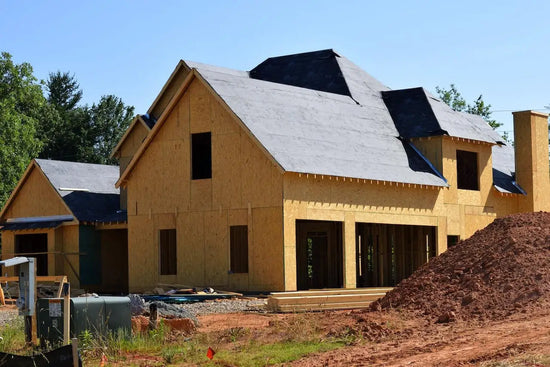
Foundation Plans: How to Choose for New Home
How long do home foundations last?
The longevity of a home foundation depends heavily on the carpenter's skill and the environment's compatibility. Some home foundations can stand firm for centuries.
Crawl space foundations usually last around fifty years. On average, concrete slab foundations can last up to one hundred years. You can use a few techniques to strengthen your foundation and give it a few more years of longevity.
Speaking of which…
How to fix house foundations
Do you worry your foundation may show signs of age earlier than usual? Contractors have several valuable techniques to strengthen foundations on the fly.
Identifying Common Foundation Problems
Even the strongest foundations can develop issues over time due to soil conditions, water, or shifting ground. Knowing what to look for can help you catch problems early, saving you from more extensive and costly repairs down the road. Here are a few common foundation problems to keep an eye on.
Foundation Cracks to Watch For
First, don't panic at the sight of every little crack. Thin, vertical cracks are often just a sign of normal settling. The ones you need to pay attention to are more serious. Be on the lookout for cracks that run sideways (horizontal), those that form a stair-step pattern in concrete block walls, or any crack wider than about ⅛ of an inch. These are often signs of significant pressure on the foundation, which can be caused by things like expanding clay soil after heavy rain. According to one real estate resource, addressing these issues can be costly, with repairs for horizontal cracks potentially running from $5,000 to $10,000. Ignoring them is not an option, as they can lead to severe structural damage.
Signs of Under-Slab Plumbing Issues
For homes with a slab foundation, the water and sewer pipes are often located underneath the concrete. While this protects them, it also makes them vulnerable to breaks if the ground shifts. A leak under the slab can go unnoticed for a while, but it can slowly saturate the soil, causing it to swell or wash away. This can lead to a part of your foundation sinking or heaving, a problem known as differential settling. A professional foundation inspection is the best way to identify under-slab pipe breaks. The cost to fix the pipe itself might be a few thousand dollars, but if the leak has already caused foundation movement, the repairs could escalate to $20,000 or more to stabilize the home.
Underpinning
This technique is used if the foundation is starting to show cracks. Think of this tactic like giving your foundation a helping hand.
The most common underpinning techniques include:
-
Mass pour: This involves excavating the existing foundation and pouring concrete into the voids to create additional support and redistribute the load-bearing capacity.
-
Pile and beam: This involves driving steel or concrete piles into the ground beneath the existing foundation to provide additional support. Horizontal beams are then installed to connect the piles, transferring the load of the structure to the deeper, more stable soil or bedrock.
-
Piled raft: This technique combines elements of both mass pour and pile and beam techniques. It involves constructing a reinforced concrete raft foundation beneath the existing foundation, supported by piles driven into the ground. This method effectively spreads the load of the structure over a larger area and can be particularly useful in areas with poor soil conditions or where traditional underpinning methods may not be feasible.
Mudjacking
This term is a little misleading since mud isn’t the key ingredient. Instead, it's a technique used to raise and stabilize concrete slab foundations, as well as bolster steps, decks, or porches. The process involves drilling small holes into the affected concrete slab and then pumping a slurry mixture (usually a blend of cement, soil, and water through the holes to fill voids, compact soil, and lift the slab back to its original position. This helps to strengthen and level the foundations.
House lifting and leveling
Does your home have a high risk for flood damage? You may need to use house lifting and leveling to protect your hard work.
This technique involves physically raising the existing structure, either partially or completely, above its current foundation level. Once elevated, the house is securely supported on temporary or permanent structures while the existing foundation is either reinforced or replaced with a higher one.
Foundation Repair Costs
The cost of fixing a foundation can vary quite a bit, and it really depends on the extent of the damage, the type of foundation you have, and the repair method needed. Minor crack repairs will be on the lower end of the spectrum, while major structural issues requiring lifting or extensive underpinning will be a much larger investment. Because the stakes are so high, it's always best to get a few professional opinions and detailed quotes from reputable foundation repair companies before committing to a plan of action. This ensures you understand the full scope of the work and are getting a fair price.
Cost to Fix Foundation Cracks
Noticing cracks in your foundation can be alarming, and for good reason. These issues can cause significant damage if left unaddressed, so acting promptly is key. For horizontal cracks, you might be looking at a cost between $5,000 and $10,000. Stair-step cracks, which often indicate more serious settlement issues, can range from $7,500 to over $15,000 to repair. While these numbers can seem high, ignoring these problems can lead to much bigger, more expensive structural failures down the road. If you're considering buying a house with existing foundation issues, be sure to factor these potential costs into your budget.
Earthquake Retrofitting Costs
If you live in an area prone to seismic activity, earthquake retrofitting is a smart investment to protect your home. This process involves strengthening your house to better withstand the shaking from an earthquake, often by bolting the structure to its foundation and bracing walls. The cost for a professional retrofit is typically around $6,000. Any major structural work like this will require permits from your local building department. The first step in that process is often getting a detailed site plan that shows your property lines, the location of your house, and other key features required for the application.
How much does a house foundation cost?
The cost of your house foundation varies based on your chosen type. On the cheaper end of the spectrum are concrete slabs, which cost just over $8,000. On the other end are basement foundations which are closer to $35,000.
According to The Spruce:
-
A concrete slab foundation costs on average $8,250.
-
A crawlspace foundation costs around $14,500.
-
A basement foundation is around $34,250
Choosing your house foundations
House foundations are as unique as we are. We recommend giving this step a little extra consideration, because a poor foundation will result in a shabby house.
Once you find the right foundation for your needs, the flooring and roofing will easily follow suit.
Give your home foundation its own foundation. Contact us today for a custom site plan that steers your project in the safest direction possible.
House foundation FAQs
What factors should I consider when choosing a foundation for a house?
Consider environmental factors such as climate and soil, as well as the intended use of the space and budget constraints.
Which foundation type is best for a home in a seismic zone?
While not directly mentioned in the article, generally, deeper foundations like crawl spaces and basements are preferred in seismic areas for their ability to better absorb earthquake shocks.
Can daylight basements be used in any climate?
Daylight basements are suitable for sloped terrains and can be used in various climates, especially where additional living space is desired.
What is the most cost-effective foundation type?
The article suggests that concrete slabs are quite affordable and offer long-lasting benefits, making them a cost-effective option for many homeowners.
How do I choose the right soil type for a house foundation?
Soil study is crucial; the best soil for foundations is compact and thick to provide stability and reduce the risk of settling or other issues.
What maintenance is required for crawl space foundations?
Regular inspections to check for water damage, mold, and structural integrity are necessary to maintain the health of crawl space foundations.
Are there environmentally friendly options for house foundations?
While not specifically addressed in the article, using sustainable materials like recycled concrete or locally sourced materials can be more environmentally friendly.
How can I modify an existing foundation to improve its insulation?
Techniques such as adding insulation panels to the exterior of basement walls or under slab areas can significantly improve thermal performance.
This post was originally published on 2022-06-24 by Ryan Crownholm. It was updated on 2024-05-08 to reflect the most recent data.
Basement Foundation Costs
A basement is generally the most expensive foundation, but it’s an investment that adds valuable living space to your home. According to NewHomeSource.com, you can expect the cost to range from $10 to $100 per square foot. If you’re dreaming of a finished basement for a game room or guest suite, that price can climb to between $30 and $100 per square foot. The final price tag depends on factors like excavation complexity, waterproofing materials, and your desired level of finish. Since this is a major project, starting with a professional site plan is a crucial first step to outline the work and get the permits you need before breaking ground.
Crawl Space Foundation Costs
For a happy medium between a slab and a full basement, a crawl space is a great choice. It costs less than a basement but still gives you easy access to plumbing and electrical systems. This foundation type lifts your home off the ground, making it perfect for sloped properties or areas with damp soil. NewHomeSource.com places the average cost for a crawl space between $5 and $16 per square foot, which covers the short foundation walls and concrete footings. While it’s a more budget-friendly option, just remember that proper ventilation and moisture control are key to preventing problems later on.
Concrete Slab Foundation Costs
If budget is your top priority, a concrete slab foundation is usually the most affordable route. It’s a popular choice because the construction is so straightforward—it’s essentially a single layer of concrete poured directly onto prepared ground. NewHomeSource.com estimates the total average cost for a slab foundation falls between $5,200 and $13,000. This lower price point does come with a couple of things to consider: slabs can be susceptible to cracking in very cold climates, and getting to under-floor plumbing for repairs can be a challenge. Still, in the right environment, it’s a solid and economical foundation for your home.
About the author
Ryan Crownholm
Ryan is a construction technology founder and former contractor with 15 years of hands on experience in residential and commercial construction. He has been creating site plans for more than 25 years, supporting tens of thousands of homeowners and contractors across the United States. As the founder of MySitePlan.com, his work is grounded in real world permitting requirements, plan review feedback, and practical compliance standards used by local building departments.
Key Takeaways
- Match your foundation to your property's specific needs: Your local climate, soil conditions, and the slope of your land are the most critical factors for ensuring long-term stability, so consider them carefully before looking at the price tag.
- Understand the pros and cons before you commit: Every foundation type has its trade-offs. A concrete slab is affordable but makes plumbing repairs difficult, a basement adds valuable space for a higher cost, and a crawl space offers a balance but requires diligent moisture control.
- Factor in permits and future maintenance from the start: You will need a professional site plan to get your building permits approved. Thinking ahead about the long-term upkeep and potential repair costs for your chosen foundation can also save you from expensive surprises down the road.

