


You’ve picked out the perfect spot for the new deck and even have the materials priced out. Then you hit the first roadblock: the permit application. Suddenly, you need a detailed drawing of your property that meets a long list of specific requirements. For many homeowners and contractors, this is where a project can stall. But it doesn't have to. Understanding your options for getting a site plan is the first step to clearing this hurdle smoothly. From tackling it yourself to ordering a custom site plan online, we’ll explore the different ways to get the documents you need to keep your project moving forward.
What Exactly is a Site Plan?
A site plan is a top view, birds eye view of a property that is drawn to scale. A site plan shows a building footprint, travel-ways, parking, drainage facilities, sanitary sewer lines, water lines, trails, lighting, landscaping and garden elements. MySitePlan.com is proud to offer other concept services as well.
Check those out at MySitePlan.comServices
When Do You Need a Site Plan?
- Demolition Permits
- Conditional Use Permits
- Construction Permits
- Sign Permits
- Residential & Commercial Site Plans
- Tree Removal Permits
- Swimming Pool Removal Permits
- Many Exterior Home Renovation Permits
- HOA Permitting
Site Plans vs. Other Property Documents
Before we get into the how-to, let's clear up some common confusion. You'll encounter various documents related to your property, but a site plan is unique. It’s not the same as a property deed, which is a legal document proving ownership. It’s also different from a simple plot plan, which might just show the property lines. A site plan is a detailed, to-scale overhead drawing of your property. Think of it as a bird's-eye view that shows not just the boundaries but also the location of existing structures, driveways, landscaping, and the proposed changes for your project. This visual map is what your local building department needs to understand the scope of your work and ensure it meets all the necessary codes and regulations.
Your Options for Getting a Site Plan
When you need a site plan for a permit or an HOA application, you generally have three paths you can take. The first is the do-it-yourself (DIY) route, where you draw the plan yourself using either traditional or digital tools. This option gives you complete control but also requires a good amount of time, research, and attention to detail to meet your local jurisdiction's specific requirements. The second option is to hire a professional, like an architect or a draftsperson, to create the plan for you. This is a more traditional approach that can be great for complex projects but often comes with a higher price tag and longer timelines. The third path, which balances cost and convenience, is using a specialized online service. These companies use technology and skilled drafters to create permit-ready plans quickly and affordably, offering a modern solution for homeowners and contractors alike.
Creating a Site Plan Yourself: The DIY Approach
Tackling your own site plan can feel empowering, and it's definitely possible for simpler projects. You don't necessarily need a professional license to draw a plan for a permit, but you do need to be meticulous. The key is creating a drawing that is clear, drawn to scale, and includes all the specific information your local building department requires. This means you'll need to do your homework before you even pick up a pencil or open a software program. The DIY approach can save you money, but be prepared to invest your time to get it right. A small mistake or omission could lead to your permit application being rejected, causing delays and frustration that can set your project back.
Getting Started: Research and Preparation
The absolute first step in any DIY site plan is research. Contact your local building or planning department to get a checklist of their specific requirements for a site plan submission. Every municipality is different, so you can't assume what worked for a friend in another town will work for you. They will tell you what details must be included, such as property lines, dimensions, locations of existing and proposed structures, setbacks, and sometimes even details like drainage or major trees. Gather all your property documents, like your deed or plot plan, as these will have essential information about your property's legal boundaries and dimensions to get you started on the right foot.
Choosing Your Tools: From Graph Paper to Digital Software
Once you know what's required, you can choose your tools. The old-school method involves graph paper, a ruler, and a sharp pencil. This can work perfectly well if you're patient and have a steady hand. The grid on the graph paper helps you maintain a consistent scale. For a more modern approach, you can use digital software. There are professional-grade CAD (computer-aided design) programs, but they have a steep learning curve. Simpler, user-friendly online tools are also available, some of which start with your property's outline already scaled, letting you just add your project details. The right tool depends on your comfort level with technology and the complexity of your project.
A Step-by-Step Guide to Drawing Your Plan
Start by drawing your property lines to scale on your paper or digital canvas. Next, add all existing structures—your house, garage, shed, deck—making sure their dimensions and locations are correctly represented. Then, draw in your proposed project, whether it's a new fence, an addition, or a pool. Use clear labels and a legend to identify everything. Include all the details from your local department's checklist, like distances from structures to property lines (setbacks), driveways, and any other required features. Double-check all your measurements and ensure the entire drawing is neat and easy to read. A cluttered or confusing plan is a common reason for rejection.
Common DIY Mistakes and How to Avoid Them
The most frequent DIY mistake is submitting a plan that isn't drawn to scale. Your drawing must be a proportional representation of your property. Another common issue is missing information; if your city requires you to show the location of a sewer line and you forget it, your plan will be sent back. To avoid these pitfalls, create your own checklist based on the official one from your permit office and tick off each item as you add it to your plan. Before you submit, have someone else look it over. A fresh pair of eyes can often spot something you’ve missed after staring at it for hours.
Hiring a Professional
If the DIY route sounds too time-consuming or you're dealing with a large-scale, complex project, hiring a professional is a solid choice. Professionals like architects and draftspeople have the experience and technical skills to produce high-quality drawings that meet all legal requirements. They understand the language of building codes and can often anticipate potential issues with your project before they become problems. This path typically involves an initial consultation, site visits, and a collaborative process to get the final plans just right. While it's the most expensive option, the peace of mind that comes with knowing your plans are in expert hands can be well worth the investment for certain projects.
Understanding Professional Roles: Architect vs. Draftsperson
It's helpful to know the difference between an architect and a draftsperson. An architect is a licensed professional who can manage a project from concept to completion, handling design, structural integrity, and permit acquisition. They are ideal for complex new builds or major renovations. A draftsperson, on the other hand, specializes in creating technical drawings based on the designs of others. They are experts in CAD software and producing detailed, compliant plans. For a project where the design is already set and you just need the formal drawings for a permit, a draftsperson can be a more focused and cost-effective choice.
Using an Online Site Plan Service
For many homeowners and contractors, an online site plan service offers the perfect middle ground. These services combine technology with the expertise of professional drafters to deliver high-quality plans without the high cost or long wait times of traditional methods. Here at My Site Plan, for example, we use GIS data and satellite imagery to create detailed drawings of your property. You simply provide your address and project details, and our team gets to work. This approach eliminates the need for a site visit, and you can get a permit-ready site plan in as little as 24 hours. It’s a convenient, fast, and reliable way to get the documents you need to move your project forward.
Comparing the Costs of Site Plan Options
The cost of getting a site plan can vary dramatically depending on which method you choose. The price can range from just the cost of your time and some basic supplies for a DIY plan to several thousand dollars for a full set of architectural drawings. It's important to weigh the upfront cost against potential hidden costs, like the time lost if a DIY plan is rejected or the expense of a professional who offers more services than you actually need. Understanding the typical costs associated with each option will help you make an informed decision that fits both your project's needs and your budget, ensuring you get the right plan without overspending.
The Cost of DIY Site Plans
On the surface, the DIY option is the cheapest. Your main investment is your time. If you're using graph paper and a ruler, your material costs are minimal. If you opt for software, you might have a one-time purchase or subscription fee, which can range from free to a few hundred dollars. However, you should also consider the potential cost of mistakes. If your plan is rejected, you'll have to spend more time making corrections. If those delays cause you to miss a window with your contractor, the financial impact could be much greater than the cost of simply having the plan professionally drafted from the start.
The Cost of Hiring an Architect
Hiring an architect is the most premium option. Architects typically charge a percentage of the total project cost (often 8% to 15%) or an hourly rate that can range from $100 to $250 or more. For just a site plan, they might charge a flat fee, but it will likely be part of a larger design package. While this is a significant investment, you're paying for comprehensive design services, project management, and deep expertise in building codes and construction. For a new home build or a complex, multi-faceted renovation, this level of professional oversight is often essential and a worthwhile part of the overall project budget.
The Cost of Online Drafting Services
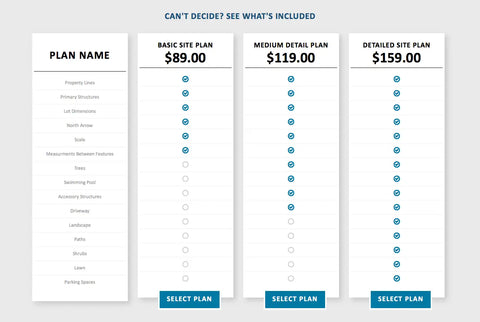
Online drafting services provide a much more affordable alternative to hiring a local architect for your site plan. These services have streamlined the process, which keeps costs down. For instance, at My Site Plan, our pricing is clear and upfront, starting at just $99 for a basic site plan. This price point makes professional-quality plans accessible for projects of all sizes, from a simple shed installation to a home addition. Because the process is remote and efficient, you get the expertise of a skilled drafter without paying for overhead like site visits or in-person consultations, making it an incredibly cost-effective solution.
Other Project Costs to Keep in Mind
Remember that the site plan is just one piece of your project's financial puzzle. You'll also need to budget for permit application fees, which vary by municipality and project scope. There may be fees for other required documents or inspections as well. And, of course, there are the actual costs of your project—materials, labor, and any unexpected issues that arise. Thinking about these expenses ahead of time will help you create a realistic overall budget and ensure you're not caught off guard by costs beyond the creation of your site plan.
How to Get Your Custom Site Plan
- Legal Setbacks
- Underground Utilities
- Septic
- Wells and other Items not visible via satellite
*Please keep in mind that we will need detailed information from you, the client, in order to add in any features that are not able to be seen via satellite imaging.
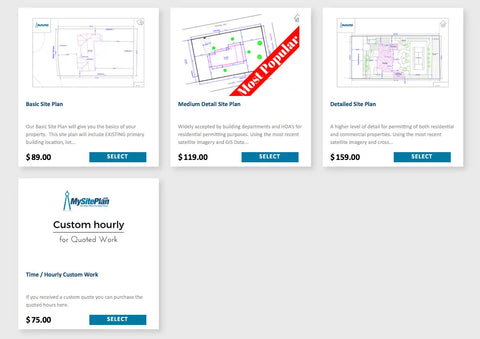
What is Our Custom Hourly Service?

Simply Fill in the Custom Quote Form and Submit it. Our drafting team will review your needs and email you with the number of " Custom Hours" needed to complete your siteplan. 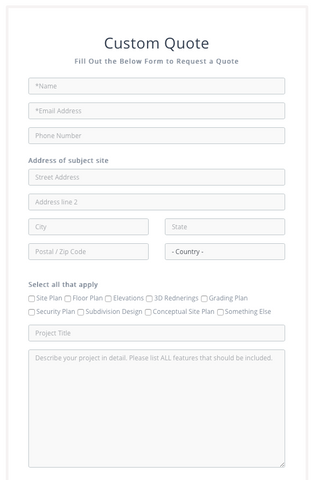
Once you have received an email with the number of hours needed, you will head over to the pricing page and click on "Custom Hourly".
For every hour needed, you will simply push the "+" sign to add the cost for each additional hour.
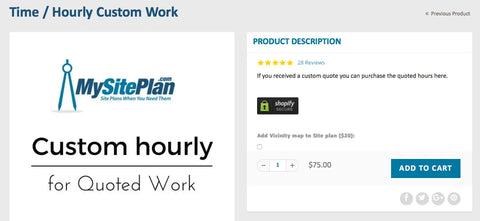
Once the hours have been added to the cart, submit payment and your project will proceed. Keep in mind that the timeline for our custom hourly work varies and does not fall under our 24 hour turn around guarantee.
A Step-by-Step Guide to the Order Form
1. What We Need to Get Started
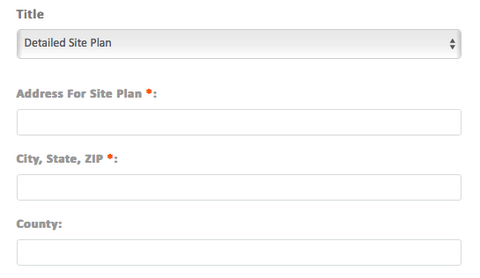
In order to process your site plan, we will need at least the address for the property. Don't have an address? Thats ok! We can go off of the parcel number of your property.
2. Planning a New Addition?
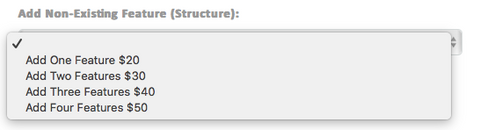
Many projects include the addition of a feature or structure to the existing property. This can be anything from a fence to a shed or deck to a new septic tank. If your plan will need to have any feature drawn in by our drafters, you will need to choose the appropriate number of features and add it to your order.
3. Do You Need Topographical Lines?
These are contour lines that will show elevations on your property. We use USGS available topography which is available in 2-5 foot intervals. To learn more about topography, please check out our blog article here What is Topography.
4. Sharing Your Project Details
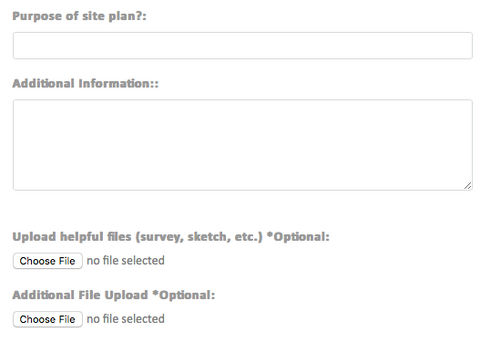
5. Choosing Your Plan Size and Format
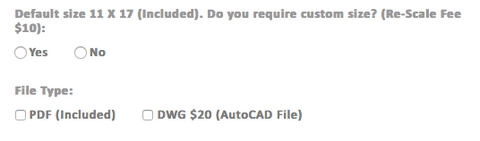
File Type- All site plans are delivered in a PDF format which is the most universally accepted printing format. During checkout you will also have an option to order the DWG file which is the AutoCAD source file. If you select this option we will zip that file and send it to you as well.
Vicinity Map-A vicinity map is a small map in the upper corner of the site plan that shows the subject property relative to the surrounding area.
6. Need Your Plan in a Hurry?
Need your siteplan in less than 24 hours? We've got you covered with our RUSH option. For a $40 fee we guarantee delivery of your siteplan in less than 12 hours.

7. Placing Your Order
Congratulations! You are now ready to submit your order and are almost 24 hours away from receiving your plan.

In the top right corner is your shopping cart. Click on the cart to review your order summary.
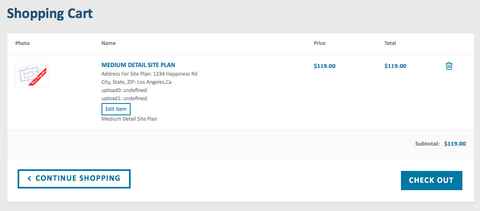
Click Check Out to fill out your payment Information.
8. What Happens After You Order?
As soon as we receive payment for your order, your project will be assigned to a Designer. Once they complete your order they will send it to you via email, where you will then need to take the file to a print shop and have it printed on a 11x17 size paper at 100% zoom.
9. Need to Make a Change?
If you need any further help with your plan, you will need to email your assigned designer back with your proposed revisions. This is the fastest way to ensure that we get you the changes you need in a timely manner
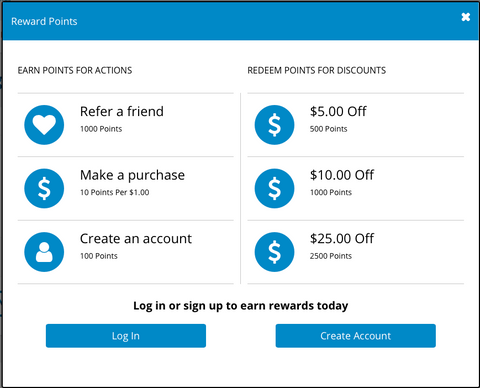
10. Join Our Rewards Program
We value our returning customers and want to reward your loyalty! Make sure and log into your account every time you order to earn points toward future savings!
From all of us here at MySitePlan.com, thank you for your business and happy planning!
Frequently Asked Questions
What happens if my building department doesn't accept the site plan? We stand by our work with a guarantee. If your plan is rejected for any reason related to our drafting, we will work with you to make all the necessary revisions until it meets the requirements. Our goal is to get your project approved, and in the rare event we can't get the plan accepted, we offer a full refund.
How can you create a plan for my property without ever visiting it? Our process uses a combination of high-resolution satellite imagery, public property records, and GIS data. This gives our drafters a detailed, to-scale view of your property. You provide the specific details and measurements for your proposed project, and we integrate that information into the plan. This modern approach is how we deliver professional plans so quickly and affordably.
What information do I need to have ready before I order? To get started, the most important thing you need is the full property address. It is also very helpful to have the specific dimensions and location of your proposed project. You can even upload a simple hand-drawn sketch or a photo with notes during the order process to give our drafters a clear picture of what you envision.
What if I need to make a change to the plan after I receive it? That’s no problem at all. We know that plans can evolve, which is why we offer unlimited revisions. Simply reply to the email from your assigned designer with the requested changes, and they will update the plan for you. We want to ensure the final document is exactly what you need to move forward.
Is an online site plan the right choice for a very large or complicated project? Our service is a perfect fit for the vast majority of residential and commercial projects that need a site plan for a permit, such as decks, sheds, additions, and pools. For highly complex new builds or major renovations that require comprehensive design work, you might need an architect. If you're unsure, feel free to request a custom quote so our team can review your needs and confirm we're the right choice for you.
Key Takeaways
- Choose the right path for your project: You can get a site plan by drawing it yourself, hiring a local professional, or using an online service. The best choice depends on your project's complexity, your timeline, and your budget.
- Match the plan to your project's scale: A simple DIY drawing might work for a small fence, but a major addition often benefits from professional help. Online services are a great fit for common projects, offering a balance of professional quality and affordability.
- Start with your local building department's checklist: Before you begin, get the official list of requirements from your permitting office. Having this information upfront is the most effective way to ensure your plan gets approved without delays.

