


As a contractor, your time is money. Every hour spent waiting in line at the permit office or dealing with application revisions is an hour you're not on the job site. You need a process that is as efficient and reliable as your own work. A key part of streamlining permit applications is having a flawless building permit plan. This isn't just a drawing; it's a communication tool that demonstrates your project's compliance and professionalism. When your plan is clear, complete, and meets all local requirements, the review process goes much faster. This guide is for busy professionals like you. We'll cover how to secure a plan that gets approved quickly, so you can get your permit in hand and get back to building.
1. First: Does Your Permit Plan Need a Professional Stamp?
2. Always Check Your Local Building Codes First
Did you know that what is required by your county, may not be required by a different one? This is why we stress the importance of communicating with your county zoning department and nailing down exactly what they will require to be shown on your site plan. Once you have obtained the correct requirement information from your specific county or city, we can help guide you to exactly the right type of site plan on our website.
3. Which Building Permit Do You Actually Need?
There are several different types of permits in construction. You might even need a combination of these. Structural, plumbing, mechanical, and electrical are common types of permits required by zoning departments.
What Type of Permit does mysiteplan.com work for?
Our aerial view plans work in partner with these other types of more detailed plans to build your permit application package and are great for these permits:
Demolition-Conditional Use-Construction-Sign permits-Residential-Commercial-Tree Removal-Swimming Pool Removal-Exterior Home Renovations-HOA
Permit Drawings vs. Construction Drawings
When you're gearing up for a project, you'll hear about different types of plans and drawings. It’s easy to get them mixed up, but knowing the difference is key to a smooth process. The two main categories you’ll encounter are permit drawings and construction drawings. Think of it this way: one is for getting permission, and the other is for the actual building. Understanding which one you need, and when, will save you a lot of headaches and keep your project moving forward without unnecessary delays or costs.
Understanding the Core Difference
While both types of drawings are essential parts of a building project, they serve completely different purposes and are created for different audiences. Permit drawings are all about communicating with your local building department to show that your project meets safety and zoning rules. Construction drawings, on the other hand, are the detailed instructions your contractor and their team will use to bring your vision to life. One gets you the green light; the other provides the roadmap for the build.
Permit Drawings: For Approval
Permit drawings are created specifically for your local authorities. Their main job is to demonstrate that your proposed project complies with all local building codes, zoning laws, and safety regulations. As one industry expert puts it, "Permit drawings are for getting legal approval from local authorities to build." They typically include things like a site plan showing the property boundaries and structure locations, floor plans, and elevations. The level of detail is just enough to satisfy the reviewers that your plan is sound and safe, but not enough to actually build from.
Construction Drawings: For Building
Once your permit is approved, it’s time for construction drawings. These are the highly detailed documents your building crew will use on-site. They contain comprehensive instructions on exactly how to build the project, specifying materials, dimensions, and installation techniques. These drawings are the "detailed instructions for builders and contractors on exactly how to build." They leave no room for guesswork, ensuring everyone from the foundation crew to the electricians knows precisely what needs to be done to execute the project correctly.
How the Right Plan Impacts Your Budget
Investing in the right plans from the start isn't just about following the rules; it's a smart financial decision. A clear, comprehensive plan minimizes confusion and mistakes, which are often the biggest sources of budget overruns. When your contractor has a perfect guide to follow, the work gets done more efficiently, materials aren't wasted, and you avoid the costly process of redoing work that wasn't done right the first time. It’s a classic case of "measure twice, cut once" applied to your entire project.
The Hidden Costs of Design Errors
Mistakes in the planning phase can have a massive ripple effect on your budget. In fact, research shows that the U.S. construction industry spends about "$31.3 billion each year on rework," with over half of that stemming from design errors or incomplete information. A vague or incorrect plan can lead to ordering the wrong materials, building something in the wrong spot, or failing an inspection—all of which cost time and money to fix. Getting your drawings right from the beginning is your best defense against becoming part of that statistic.
How to Get a Site Plan for Your Permit
A site plan is almost always a core requirement for a permit application. It’s the bird's-eye view of your property that shows what’s currently there and what you plan to change or add. It helps the permit office understand the scope of your project in relation to your property lines, existing structures, and public utilities. Luckily, you have a few different options for getting one, ranging from finding an old one to having a new one created to fit your exact needs.
First, Check for an Existing Plan
Before you spend time or money creating a new plan, it’s worth doing a little digging to see if one already exists. You might be surprised to find you already have what you need, or at least a great starting point. An existing plan can often be updated to reflect your new project, which can be a huge time-saver. Just make sure it contains the essential information your local building department requires for your specific type of permit application.
Where to Look
So, where might this elusive document be hiding? A great place to start is with the closing documents from when you purchased your property. Often, "a survey or site plan is often included" in that thick stack of papers. If you come up empty-handed, you can also try contacting the previous owner, your title company, or even your local records office. Sometimes, a plan from a previous owner's project is on file and available for you to use as a reference for creating your new one.
Options for Getting a New Plan
If you can't find an existing plan or need a completely new one for your project, don't worry. There are several straightforward ways to get a plan that meets your permit requirements. The best path for you will depend on the complexity of your project, your comfort level with technical drawings, and your local jurisdiction's specific rules. From DIY methods to professional services, there's a solution that fits your budget and timeline.
Draw It Yourself
For very simple projects, like adding a small shed or deck, you might be able to draw the plan yourself. You can do this by hand with graph paper and a ruler or use basic computer software. The key is to be meticulous with your measurements and ensure you include all the required elements, like property lines, structure dimensions, and distances between them. While this is the most budget-friendly option, it requires a steady hand and a good understanding of what your permit office needs to see.
Use a Site Plan Service
A great middle-ground for many homeowners and contractors is using an online site plan service. Companies like My Site Plan "create site plans remotely using existing data, satellite images, and public records." This is an incredibly convenient and fast option. We use advanced tools and publicly available information to create a detailed plan for your property, delivered to you in as little as 24 hours. Plus, with our guaranteed acceptance by permit departments, you can submit your application with confidence.
Hire a Local Professional
For large-scale or highly complex projects, or if your municipality explicitly requires a plan with a professional's stamp, you'll need to hire a local professional. These experts use specialized equipment to perform on-site measurements and create highly detailed drawings. This is typically the most expensive and time-consuming option, but it's necessary for certain types of projects where the highest level of detail and professional liability is required by law. Always confirm your department's requirements before deciding on this route.
4. Your Step-by-Step Guide to Getting a Permit
If you are planning to do the work yourself, the process of obtaining a building permit usually goes something like this:
- Contact your local building office and describe the project you want to do. If a permit is required, an application form will be provided to you that outlines the requirements for applying for a building permit. Some jobs may require multiple permits. A major remodeling project, for example, might require a carpentry/construction permit, an electrical permit, and a plumbing permit.
- Prepare the permit application, including whatever additional materials may be required. Construction projects may require drawings of the work you plan. This is where mysiteplan.com comes in. We provide a to scale site plan that easily depicts the details the zoning department will need.
- Submit the building permit application and pay whatever fees are required. The licensing office will issue you an official permit certificate.
- As you begin work, post the building permit certificate as required. This may mean taping the permit to a door or window near where the work is being done.
- At the designated points during the work, call the inspection office to arrange for an inspector to visit the work site and review the quality of the work. If the inspector orders any changes to the work, complete these changes and have the inspector return to review the work again. Many projects require two inspections—a "rough-in" inspection at a prescribed point in the workflow, then a final inspection once the work is complete.
The start to finish process of obtaining a building permit can be somewhat daunting at times. It is important to us to be the component in your project that is not complicated. To help us in our mission, the best thing our customers can do is to check in with their zoning departments to make sure the requirements for your plan is clear. Ask yourself these questions...
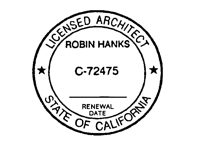
Does my plan require a stamp or seal?
Are my property and property features shown clearly via satellite imagery?
If utilities need to be shown, do I have the measurements and dimensions to provide mysiteplan.com?
Have I used the mysiteplan.com plan comparison chart to make sure my site plan includes what I need?

Need help getting started? Check out our Quickstart Guide! In this article we provide you detailed step by step guide to help you complete and submit your site plan order.
Still have questions? We have prompt and friendly customer service available to you 5 days a week from 8am to 4pm PST.
1-800-228-9723
4. Prepare and Submit Your Application
Gathering Required Documents
Once you have your application form, it's time to assemble your permit package. This usually includes the application itself, any required fees, and detailed drawings of your proposed work. For many construction projects, you’ll need drawings that clearly show what you plan to do. This is where a service like My Site Plan comes in. We provide a to-scale site plan that depicts the details your zoning department will need to see, like property lines, building footprints, and the location of your new project. Having a clear, professionally drafted plan helps ensure the person reviewing your application understands your project, which can prevent unnecessary delays and questions down the line.
Using Online Permit Portals
Many counties and cities have streamlined their application process with online portals. For instance, Will County, Illinois, uses a system where contractors and homeowners can apply for permits, upload documents, schedule inspections, and pay fees all in one place. This is incredibly convenient, but it also means you need to have all your documents, including your site plan, ready in a digital format. Before you start, check your local building department’s website to see if they use a portal. This will help you understand the submission format and gather everything you need to complete the application in one go, saving you from multiple trips or follow-up emails.
5. The Review and Inspection Phase
Understanding Permit Timelines
After you submit your application, the waiting game begins. The review timeline can vary significantly from one place to another. Some offices, like the one in Plano, Illinois, state that a permit may be issued within about 14 business days once all fees are paid and documents are received. However, this is just an estimate. In larger cities or during busy construction seasons, the wait could be longer. The best approach is to ask for an estimated timeline when you submit your application. This helps you set realistic expectations for your project schedule and allows you to follow up appropriately if you haven't heard back.
Be Aware of Permit Expiration
Getting your permit is a huge milestone, but it comes with a deadline. Most permits are not valid indefinitely. For example, some jurisdictions specify that a permit becomes void if work doesn't begin within six months of its issuance. The same rule might apply if you start the project but then stop working for six months. It’s a "use it or lose it" situation. Make sure you read the fine print on your permit certificate to understand its expiration date and any conditions for keeping it active. This will help you avoid the headache and expense of having to re-apply simply because your project was delayed.
Common Mistakes and Additional Requirements
The permit process can feel like a maze of rules and requirements that change from one town to the next. A simple oversight can lead to a rejected application, costing you time and money. Understanding common pitfalls and being aware of extra local rules is key to a smooth process. For instance, your application could be rejected if it doesn't follow local zoning laws, contains mistakes, isn't drawn to scale, or ignores environmental rules. This is why having a well-prepared plan is so important. Beyond the application itself, you might also need to register as a contractor, get a review from the local fire district, or stake out your property before you even apply. Taking the time to understand these details upfront can make all the difference.
Why Permit Applications Get Rejected
Nothing is more frustrating than having your permit application rejected after you’ve spent time and money putting it together. Local authorities will send your application back if it has mistakes, is not drawn to scale, is on the wrong paper size, or fails to follow zoning and safety rules. Even a small error or missing piece of information can cause a denial. This is why we guarantee our plans will be accepted by your building department. By using a drafting service that understands what permit offices look for, you can avoid these common errors and feel confident that your submission meets the department's standards. Check out our customer reviews to see how we've helped others get their projects approved without a hitch.
Local Rules to Be Aware Of
It’s crucial to remember that permit requirements are not universal. What’s needed in one county might be completely different from the one next door. This is why we always stress the importance of talking with your local zoning department to get a clear list of what they require on your site plan. Once you have that list, you can confidently order the right plan for your project. Beyond the plan itself, there are often other local rules you need to follow.
Contractor Registration
If you’re a contractor, many municipalities will require you to register with them before you can pull a permit. This process often involves providing proof of insurance and bonding. For example, the Will County Land Use Department has specific rules and registration links for contractors on its website. Homeowners doing their own work are sometimes exempt, but it’s always best to check. This step protects both the homeowner and the municipality, so be sure to complete any required registrations early in the process.
Fire District Reviews
Depending on the scope and location of your project, you may need a separate review and approval from your local fire district. This is especially common for commercial projects, new home construction, or additions that could impact emergency access. For example, the Village of Willowbrook, Illinois, requires applicants to contact their fire district to ensure the project follows all relevant codes. This is a step that’s easy to overlook, so be sure to ask your building department if a fire district review is part of their process.
Property Staking Requirements
Some building departments want to see your project laid out in the real world before they’ll even look at your application. In places like Plano, Illinois, you may be required to mark the proposed construction area on your property with stakes before you submit your paperwork. This gives the inspector a clear visual of your project's location and scale when they visit the site. It’s a simple but important step that connects your paper plans to your physical property, so check if this is a prerequisite for your application.
Potential for Extra Fees and Bonds
Your initial permit fee might not be the only cost you encounter. If an inspector finds that work was done incorrectly, they may require extra inspections to approve the correction, and each of those visits can come with a fee. In some cases, a building official might even require you to post a bond to ensure the work is completed correctly. These extra costs can add up, which is another great reason to make sure your project is planned thoroughly and executed correctly from the very beginning.
Frequently Asked Questions
What's the difference between permit drawings and construction drawings? Think of it this way: permit drawings are for getting approval, while construction drawings are for the actual building. Permit drawings, like the site plans we create, show your local building department that your project follows zoning and safety rules. They have just enough detail to get the green light. Construction drawings are the highly detailed blueprints your crew uses on-site, specifying materials, dimensions, and how everything should be put together.
Do I really need a new site plan? Can't I just use an old one? You might be able to use an existing plan, and it's always a good idea to check first. Look through your property's closing documents or contact your local records office. However, if the old plan doesn't reflect your property as it is now or doesn't include the details your project requires, you will need a new one. A new plan ensures all the information is current and tailored to your specific project, which helps prevent application rejections.
Why would my permit application get rejected? Permit applications are often rejected for simple, avoidable reasons. Common issues include drawings that aren't to scale, missing information, or plans that don't comply with local zoning laws. Even using the wrong paper size can cause a denial. This is why using a professional service is so helpful; we make sure your plan meets the standard requirements, which gives you a much better chance of getting approved on the first try.
What happens after I submit my permit application? After you submit your application and pay the fees, it goes into a review process. The timeline for this can vary a lot depending on your location and how busy the office is. Once approved, you'll receive a permit certificate that you must post at the job site. During construction, you'll need to schedule inspections at specific stages to ensure the work meets code. Passing these inspections is necessary to keep your project moving forward.
Besides the site plan, what other local rules should I know about? Permit requirements can be very specific to your town or county. For example, as a contractor, you may need to register with the municipality before you can pull a permit. Some projects, especially larger ones, might require a separate review from the local fire district to ensure emergency access. Your building department might also require you to physically stake out the project area on your property before they will even review your application. Always call your local office first to get a complete list of their rules.
Key Takeaways
- Always Start with Your Local Building Department: Before ordering a plan or starting an application, contact your local permit office. You need to confirm their specific requirements, like whether your plan needs a professional stamp, to prevent your application from being rejected.
- Know the Difference Between Permit and Construction Drawings: Permit drawings are for showing your local authorities that your project follows codes and zoning laws. Construction drawings are the detailed blueprints your team uses to build. Using the correct type of plan for each stage prevents expensive errors.
- Choose the Right Way to Get Your Plan: You have several options for getting a site plan. You can check your property's closing documents for an existing one, draw it yourself for simple projects, or use a professional service. An online service like My Site Plan offers a fast, convenient, and reliable way to get a plan that meets permit requirements.

