


Guaranteed Sites Plans in Under 24 Hours

Most garages are purely functional spaces, designed for cars and storage, not comfort. They often have concrete floors, unfinished walls, and poor lighting. But with a little creativity and strategic planning, this blank canvas can become one of the most inviting rooms in your house. The project to convert garage into master bedroom is the ultimate home transformation, turning a cold, utilitarian space into a warm, stylish, and light-filled retreat. It’s about seeing the hidden potential in your property. This guide will show you how to handle the practical challenges, like insulating walls, raising floors, and seamlessly matching the exterior, so your new suite looks and feels like it was always meant to be there.
The garage is often one of the most underutilized spaces in a house. Most people just end up using the garage to store trash, items, and appliances that they no longer use - and if there’s any space left, then they park a car or two.
Why not convert such a space to add value to your life?
Converting a garage into a master bedroom is a great way of making use of a space that’s often left forgotten. Why? Not only do you gain an extra room, the overall value of the house also rises as well with all the extra square footage.
MySitePlan designers use computer-aided design software to create site plans based on the level of detail you need. Here’s what to expect when planning to convert a garage into a master suite. With this knowledge, you’ll be able to communicate the kind of space you want with confidence.
Related: Ultimate Guide to Creating the Perfect Site Plan for Your New Home
Planning A Garage Conversion
Is it legal?
The very first step to planning a garage conversion is to figure out whether or not it’s legal.
Many homeowners start the process without checking the legality and face issues later, especially if they have to sell the house. This means that it's necessary to obtain permits before starting any work.
It’s important to check local building codes while planning to convert a garage, since there are many rules that affect how the room can be built. The codes might state rules regarding the installation of everything from a bathroom to a closet. You should always comply with these codes because they affect zoning, insurance, and taxes.
Related: Zoning Permit: Everything You Need to Know

The Conversion Process and Key Steps
Once you’ve confirmed the legality of your project and have a plan in hand, the real work begins. A garage conversion is a full-scale renovation that turns an unfinished space into a comfortable, functional room. The process involves several key construction phases, from major structural changes to the finer details that make a house feel like a home. Each step requires careful planning and execution to ensure the final master suite is safe, compliant with local codes, and a seamless addition to your property. Having a clear, professional site plan is the first step to navigating this process with your contractor and local permit office.
Demolition and Structural Changes
The first major step is transforming the garage's exterior. This almost always involves removing the large garage door and framing a new wall in its place, complete with windows for natural light and potentially a separate entrance. Inside, the concrete slab floor often needs attention; it may need to be leveled, sealed for moisture, or even raised to match the floor height of the rest of your home. These structural modifications are significant and require building permits to ensure they meet residential safety codes. Your permit application will need to include detailed site plans that clearly show the proposed changes to the structure.
Flooring, Insulation, and Utilities
With the main structure in place, the next focus is making the space livable. Garages typically lack proper insulation, so adding it to the walls and ceiling is essential for energy efficiency and comfort. You’ll also need to run new electrical wiring for outlets, lighting, and smoke detectors. If you're adding an en-suite bathroom, plumbing will be a major consideration. Running new water and drain lines can be one of the more expensive parts of the conversion, especially if the new bathroom is located far from your home's existing plumbing. This is a critical phase where the space starts to feel less like a garage and more like a real room.
HVAC System Considerations
Heating and cooling are crucial for a comfortable master bedroom, and your garage's existing setup—if it has one at all—won't be sufficient. You’ll need to figure out the best way to condition the new square footage. One option is to extend your home's current HVAC system by adding new ductwork, but you must first confirm if the system can handle the additional load. Often, a more efficient solution is to install a separate, independent unit. Ductless mini-split systems are a popular choice for garage conversions because they are highly efficient, easy to install, and allow for independent temperature control of the new suite.
Brainstorming
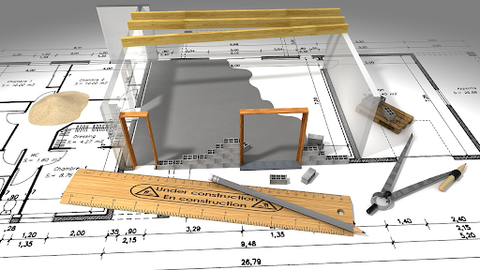
Then, it’s time to start thinking about what you want the bedroom to look like. Write down everything you can think of—how big it should be, if you want a bathroom or a half-bathroom, and even how you might decorate it. Thinking about the details will help you communicate more easily with your site planners, who will use your specifications to inform their decisions on technical elements.
Matching the Exterior to Your Home
One of the biggest giveaways of a garage conversion is an exterior that doesn't quite match the rest of the house. To make the new master suite feel like an integral part of your home, it’s crucial to blend the exterior seamlessly. This means using the same siding or brick, matching the paint color exactly, and choosing windows that are consistent with the style of the other windows on your home. As author Marie Bostwick notes, "It's important to make the exterior of the converted garage match the rest of the house so it doesn't look like an add-on." Taking the time to get these details right will not only improve curb appeal but also protect your home's overall value.
Solutions for Low Ceilings and Lack of Light
Garages aren't typically designed with comfort in mind, which often means low ceilings and a serious lack of natural light. You may need to raise the concrete floor to add insulation and proper flooring, which can make the ceiling feel even lower. To counteract this, you can use a few design strategies. Installing recessed lighting is a fantastic way to illuminate the space without taking up any vertical room. To make the room feel bigger and brighter, consider adding skylights or even vaulting the ceiling if your roof structure allows. These changes can transform a dark, cramped space into an airy and inviting master suite.
Creating a Proper Entryway
Nothing says "this used to be a garage" quite like a poorly designed entrance. Replacing the main garage door is a non-negotiable step in making the space feel like a true bedroom. You have several great options to create a beautiful and functional entryway. You can frame the opening for a standard exterior door, or for a more dramatic effect, "replace the garage door with large windows or French doors." This not only creates a proper entrance but also floods the room with natural light. The goal is to make the new entry look like it was always part of the home's original design, creating a welcoming transition from the outside in.
Planning for Lost Storage
Converting your garage means you're gaining a beautiful new room, but you're also losing a significant amount of storage space. Before you start demolition, it's essential to have a plan for where everything will go. As one expert suggests, "Since you'll lose garage storage, plan for a new place for your belongings, like a storage shed." If you decide to add a new structure like a shed to your property, you'll almost certainly need a site plan for your permit application. At My Site Plan, we can create a detailed plan showing the placement of the new structure, ensuring you meet all local requirements quickly and easily.
Collaborating with Your Site Planner
The next step is to plan the layout of your new room. Checking the viability of the plan with regards to space is important. It’s recommended to hire a contractor as they can plan the layout in-sync with the rest of the house. They will use information sources like satellite imagery, GIS imagery, county parcel maps, and other public sources to make sure your plan is feasible.
Are you ready to convert your garage? Get started with MySitePlan.
How Much Does It Cost to Convert a Garage?
While planning, it is important to remember that converting a garage will make a dent in your wallet. One needs to decide on a budget for remodeling and start setting goals accordingly. It won’t be nearly as pricey as remodeling a basement or adding another room altogether - the cost of which can go up to $100,000.
A garage conversion can cost anything between $3,000 to $30,000 depending on the range of upgrades. If the goal of the remodeling is to make a garage into a fully-furnished master suite, the cost is likely to be on the higher end.
The costs will differ based on the neighborhood and state, from higher costs in metropolitan areas to relatively lower costs elsewhere. It’s recommended to get an estimate from a planner or an architect while planning the remodeling.
Realistic Cost Estimates
So, what’s the bottom line? A full garage-to-bedroom conversion typically runs between $25,000 and $60,000. If you’re planning to add a bathroom to create a true master suite, you can expect that cost to be closer to $35,000 to $60,000 or more, depending on the finishes you choose. While that sounds like a lot, remember that you’re adding significant living space—often 240 square feet or more. This investment can increase your home's resale value substantially, often adding tens of thousands of dollars back into your pocket when it’s time to sell.
Detailed Cost Breakdown
To understand where that money goes, it helps to see a breakdown of the individual costs. A simple conversion of a 400-square-foot garage might start around $7,200, but adding high-end materials or a bathroom can push the total over $30,000. Having a clear plan from the start is key to managing these expenses. Here’s a look at what you can expect to budget for:
- Design and Permits: $2,000–$6,000. This includes getting the necessary site plans for your permit application.
- Insulation and Framing: $3,000–$8,000
- Windows and Doors: $2,000–$7,000
- Electrical and Lighting: $2,000–$5,000
- Plumbing (for a bathroom): $5,000–$15,000
- Heating and Cooling: $2,000–$6,000
- Flooring, Drywall, and Paint: $4,000–$10,000
- Bathroom Fixtures and Finishes: $5,000–$15,000
- Closets and Storage: $1,000–$4,000
Understanding the Return on Investment (ROI)
So, is converting your garage a smart financial move? It can be, but it’s not always a simple dollar-for-dollar return. Many real estate professionals argue that homebuyers in certain markets expect a garage, and removing one could slightly narrow your pool of potential buyers. Some estimates suggest you might recoup around 80% of the project's cost upon resale. However, adding permitted, finished living space—especially a full master suite—almost always increases your home's overall value. The quality of the conversion is the most important factor; if the new room blends seamlessly with the rest of your home's style, its value will be much higher than a project that still feels like a converted garage.
Ways to Save Money on Your Conversion
With a potential price tag stretching into the tens of thousands, finding ways to save is crucial. A great strategy is to keep the new layout simple. The more you move walls or re-route major systems, the higher the cost. Try to work with the existing footprint and place bathrooms near existing plumbing lines to minimize expensive pipe work. Choosing quality, mid-range finishes over luxury options for things like flooring and fixtures can also make a huge difference without sacrificing style. You can also tackle some of the cosmetic work, like painting or installing trim, yourself to cut down on labor costs.
Careful planning is your best tool for saving money. Before any work begins, having a detailed plan helps you get accurate quotes from contractors and prevents expensive changes down the line. Getting everything right on paper first, including a permit-ready site plan, ensures your project stays on budget and on schedule. This initial step clarifies your vision and provides contractors with the exact details they need, which helps prevent costly surprises and misunderstandings once construction is underway. It’s the foundation for a smooth and cost-effective project.
Pros Of Converting A Garage
- The biggest benefit is that homeowners gain additional square footage. A two-car garage can add up to 600 sq.ft of space.
- Converting a garage into a room, especially if the garage is underutilized, can increase the value of your home. Adding a usable room is a good idea for investment purposes.
- An additional master bedroom can do wonders for a growing family or a family with seniors who have trouble accessing higher floors. Using the master bedroom as an in-law suite is also a big advantage.
- While planning to convert the garage to the master suite, it is a good idea to consider the motive behind it and then move ahead with the planning. Who will be using it? Do you want to rent it out? What will the layout be? These are good questions to ask.
Cons Of Converting A Garage
- The biggest con of converting a garage is losing out on a sheltered space for cars. While planning, keep this point in mind as you will be losing out on a sheltered parking space. This isn’t a big deal if you have two garages or if your street isn’t very crowded.
- Some municipalities require homeowners to construct off-street parking spaces for vehicles unless you have ample driveway space. This might lead to an additional expenditure or cause you to scrap all plans of garage conversion.
- A converted garage can also reduce the value of a house if a house is in the snow belt, where buyers demand an insulated and dedicated parking spot.
- While planning a garage remodeling and setting the budget for it, keep a buffer for hidden costs. Not only should it leave room for major structural changes, but it should also include room for any permit costs and fees.
Potential Construction Challenges
Transforming a space built for cars into a cozy master suite presents some unique construction challenges. It’s definitely more involved than just adding drywall and a new rug. You’ll need to handle the concrete slab floor, which is typically sloped for drainage and sits lower than your home's main foundation. The walls and ceiling will need proper insulation to keep the room comfortable year-round. You also have to frame and close that large opening where the garage door once was, seamlessly blending it with your home's exterior. On top of that, you'll need to install new utilities, like plumbing for a bathroom, sufficient electrical wiring, and HVAC ductwork to make the space truly livable and compliant with building codes.
Alternatives to a Garage Conversion
If the thought of tackling a garage conversion feels a bit daunting, don't worry—you have other great options for adding more living space. Finishing a basement or an attic can give you a similar amount of square footage, often with fewer structural complications. If your budget allows, a full home addition lets you design a master suite from the ground up without giving up your garage. Another smart approach is to rethink your home's current layout, like combining two smaller bedrooms to create one spacious suite. All of these projects require careful planning and permits, which is where a detailed site plan is essential to get your project started on the right foot.
How Long Does It Take?
Planning a garage conversion exhausts the most important resource: time. A single-space garage conversion can take anywhere between one week to one month depending on the scale of remodeling.
A double-space garage will obviously take longer. Planning and permissions will take additional time and money. A garage conversion project is not only a huge financial investment but also requires time and effort, which is why using a site planner can help you save time.

In Conclusion
Remodeling a garage is a huge decision that shouldn’t be taken lightly. It'll affect the overall value of the house and change how you live in it on a daily basis.
Making use of real estate that's otherwise going unused is generally a step in the right direction. However, the devil is in the details, and that’s where most people falter.
A garage conversion is recommended to those homeowners who'll be keeping the house for the long-term, rather than those who wish to convert it to a master suite only to sell the house in a few years.
A garage is a huge selling point for buyers, but so is an additional room - it falls on the current homeowner to make a decision based on their lifestyle and family needs.
From parking to zoning laws and market values, a garage conversion can affect all of these considerations and more, which is why thorough research should be done before laying ground (so to speak!).
But with MySitePlan, you can eliminate logistical challenges and save time. Our experienced site planners use AutoCAD to create precise site plans that adhere to local compliance regulations and your own requirements. When you’re converting a garage, do it the right way—the easy way.
Related: How to Read a Site Plan
A Realistic Project Timeline
It’s easy to get excited about the construction part of your garage conversion, but it's the planning that really sets the pace for the entire project. The actual hands-on work for a simple, single-car garage conversion can often be completed in about four to six weeks. However, this doesn't account for the crucial prep work that comes first. The timeline can stretch longer depending on the complexity, like adding a full bathroom or making significant structural changes. A larger, two-car garage conversion will naturally require more time for construction as well.
The phase that often catches people by surprise is getting all your documents in order for the building permit. This involves creating a detailed site plan and waiting for your local building department's approval, which can add weeks or even months to your start date. This is where you can really get ahead by being prepared. Using a service like My Site Plan to get a permit-ready site plan in as little as 24 hours can significantly shorten this waiting game. All told, from initial design to final touches, you should realistically budget for a total project time of two to four months.
Key Takeaways
- Start with a Solid Plan and Proper Permits: Before you begin, confirm that your project is legal by checking local building codes. Getting a detailed site plan is the first step to securing the necessary permits, which helps you avoid costly issues and ensures your project runs smoothly.
- Prioritize Key Structural Upgrades for Comfort: To successfully transform a garage into a bedroom, you must address its core structure. This includes adding insulation, raising and finishing the concrete floor, installing an appropriate HVAC system, and blending the new exterior to match your home.
- Create a Realistic Budget and Plan for Lost Storage: A garage conversion is a significant financial investment, so it's important to budget for all aspects of the renovation, from framing to finishes. Remember to also figure out a new, practical solution for the storage space you will lose.


