


A missing property line on your building permit site plan can stall your project. Permitting offices want clear details for everything from setbacks to existing buildings. A strict checklist helps your application move through review without preventable corrections.
Request a permit-ready site plan online and move your submission forward with a 24-hour turnaround.
A building permit site plan is a detailed map that shows exactly how your proposed project fits within your property lines. Based on Portland's permitting guidelines, these plans must show all existing patios, driveways, and trees. Your checklist should include clearly marked property boundaries, building footprints, and required setbacks from nearby lots. Most offices also require you to mark utility lines and walkways to ensure the project meets safety codes. By including every required detail on your form, you reduce the risk of receiving a request for more information. This request can add weeks to your project timeline. An expert draft ensures your plan meets these rules for a smooth sign-off.
Knowing what the building department expects is the first step toward starting your project and getting your permit on time. The following Building permit site plan submission checklist covers the main items local offices look for. The path begins with
Building permit site plan submission checklist
A full building permit site plan shows how your work fits on your land. Most city offices need this drawing to check your work. If your plan misses key data, it can slow your work or lead to a fail. A good building permit site plan must be clear and meet all local rules.
Basic property data
Every site plan starts with the base facts of the land. You must show the exact land lines with clear labels. These lines tell the city where your land ends and where your work must stop. You should also mark all things that are already on the site. This includes the main house, sheds, and any large trees.
Your building permit form must show what is on the site right now. This helps the city see the land before any work starts. You must also include things like driveways and paths. Even if you only do work inside the house, you may still need to show these site facts.
Project specific details
Once the base facts are set, you add the new work. This is the core of your building permit site plan. It shows exactly what you want to build and where it will go. You must use clear lines to tell new work from old buildings. Most cities also want to see how far the new work is from the land lines, which are called setbacks.
- Check land lines and work limits to ensure they have the right sizes and labels.
- Mark all old buildings like the main home, garage, and any small sheds.
- Include new work such as rooms, decks, or pools with their exact project footprints.
- Show all setbacks and easements to prove the work meets local zoning rules and utility needs.
- List all utilities and site crossovers to ensure the new build does not block access.
- Add a scale bar and a north arrow to help the city match the drawing to the land.
You should also check for any special zones. Some lots are in flood areas or near hills. These spots often need more data. For instance, site plan rules may ask for height facts or drainage plans in these areas.
Final check before you file
Before you send in your plan, do a final check. Small errors are the most common cause of permit waits. Make sure all numbers are easy to read and that the scale is right. Most towns now want you to file your plans in an online form.
Double check that your plan has your full address and the owner name. If an expert drew your plan, ensure it meets the latest local codes. Taking these few steps can save you weeks of wait time at the city office.
What information should your submission show?
A building permit site plan must show the full picture of your property. Reviewers use this data to check if your project meets local laws. They look at how new work fits with what is already there. Most permit applications need a full site plan to move forward. This holds true even for some interior projects.
Core property and project details
Your plan must start with clear property lines. These boundaries help staff see the limits of your work area. You should also mark all existing structures like your house or garage. If you plan to build something new, mark its exact spot. Showing proposed work and existing structures helps the city judge your project size and fit.
Setbacks and easements are also key. A setback is the space between your house and the property line. Easements are parts of your land that others have a right to use. Both must be on your plan to avoid code issues. Clear labels for these items can help speed up the review of your site plan for permit approval.
Site features and utility paths
A good plan shows more than just buildings. You should include all paved areas like driveways, walkways, and patios. Reviewers also need to see where trees are on the lot. This helps them check if you are following local green space rules. In many cities, you must show all structures, walkways, and trees on your property drawing.
Do not forget about what lies underground or overhead. Your plan needs to show utility lines and crossovers. This includes where your water, gas, and power lines run. Knowing these spots is vital for safety during your build. Many cities require all existing utilities to be marked on your site map.
Advanced data for complex lots
Some projects need extra data to meet city rules. If your lot is on a hill, you might need to show slope lines. These lines help engineers see how water flows across your land. High-tech tools use GIS data to find these details for you. This data is often used to calculate how much of your lot is covered by hard surfaces.
You may also need a vicinity map. This small map shows where your property sits in the wider neighborhood. It helps the review team find your site with ease. While some needs change by city, showing the public right-of-way is a common rule. Giving a full set of data helps you get your permit faster.
How project type changes the permit checklist
Every home project has its own set of rules that you must follow. Local offices use an exact checklist to review your building permit site plan before they say yes. The data you must show on this map changes based on what you want to build on your lot. Small jobs like a new fence need less facts than a full room add. Most local building groups will give you a list of items that they need to see on your plan.
Main details for many project types
When you add a new room to your home, you must show how the new space fits on your lot. The plan should mark the gap between the new wall and your land line. These gaps are called setbacks and keep buildings from being too close to the street or a neighbor. If you want to build a pool, your building permit site plan must show where the safety fence will go. This fence helps keep kids and pets safe. You may also need to show how water flows away from the pool spot to stop floods during a heavy rain.
New living spaces like an ADU need even more data on the plan. You must show where new water and power lines will connect to the main house. These lines must follow local code to stay safe. Some cities also want to see where extra cars will park on the site so they do not block the street. You can find more facts in this guide on building permit site plans for many types of jobs.
| Project Type | Setback Data | Power Lines | Drainage Info |
|---|---|---|---|
| Room Add | Show new walls | Show old lines | May be needed |
| Pool | Show pool edge | Show pump power | Highly likely |
| Fence | Show fence line | Not needed | Rarely needed |
| ADU | Full land map | New lines | Always needed |
Check rules with your local office
Your local city or county office is the best source for permit facts. They decide which rules apply to your land and how you should build. Some areas have extra rules for homes near trees or on steep hills. These spots may need a plan that shows how you will protect the soil and plants. You should always ask for a site plan checklist before you start your work to avoid a long wait. This keeps your project on track and helps you skip costly errors.
Most building groups want a full map of your lot that is easy to read. Your plan should show old buildings like driveways and walks as well as the new work. Based on the City of Portland, you must show what exists on the site now and what you plan to build later. These details help the city see if your project meets the local law. Checking these lists early will save you time and money during the permit phase of your home project.
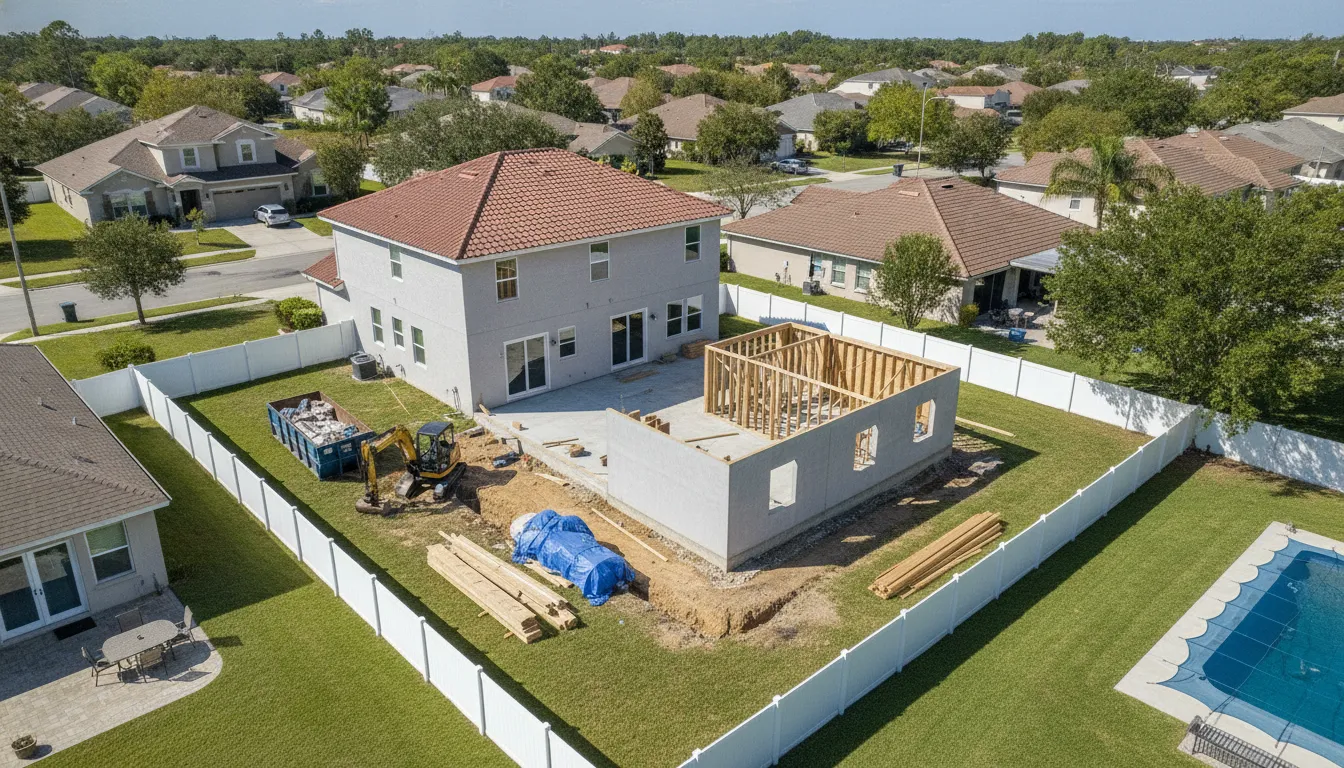
Common reasons permit submissions get delayed
A permit delay can stall your project for weeks. Most setbacks happen because of simple errors or missing details in the building permit site plan. Building departments need a clear view of your property to ensure your plans follow local laws. If your paperwork is incomplete or confusing, officials will likely send it back for changes.
Missing property details and structures
One of the most frequent issues is an incomplete map of the property. A valid site plan must show every existing structure, such as sheds, patios, and decks. It should also include walkways, driveways, and trees that currently sit on the land. According to the City of Portland, even interior-only work often needs a site plan that shows the full site layout.
If you leave out a small shed or a back patio, the city may flag your application. These features affect how much of your lot is covered by buildings. This measurement is key for zoning rules and drainage laws. Always double-check that every physical feature on your land matches what you have drawn in your submission.
Unclear setbacks and property lines
Property lines and setbacks are vital for site plan for permit approval. You must show the exact distance between your proposed project and your property boundaries. Many towns have strict rules about how close you can build to a neighbor's yard or the street. These gaps, known as setbacks, help prevent overcrowding and protect utility access.
Building departments also check for easements. An easement is a legal right for others to use part of your land, such as for power lines or pipes. The City of Austin requires all easements and setbacks to be clearly marked on your drawing. If these lines are missing or wrong, your project could face long review times or rejection.
Inconsistent or low-quality documents
Your plan must be neat and easy to read. Plans that are not to scale or have blurry lines often get rejected. All labels and measurements should be clear. If you submit a digital plan, make sure it meets the technical rules of your local office. For example, some jurisdictions only accept electronic submissions for certain project types.
Using a professional service can help you avoid these mistakes. My Site Plan provides permit-ready drawings that meet local standards. Our team uses GIS data and satellite images to draft a clear map of your property. This helps you get your permit faster by giving the city exactly what they need the first time.
Review transparent site plan pricing before you choose the right plan for your permit submission.
What happens after you submit the plan?
The work does not always end once you hand your building permit site plan to the local office. Most cities will look over your papers to make sure they follow all the local building codes. This review stage is a normal part of the process for most projects. It helps the city verify that your new deck, pool, or addition is safe for the area.
The city review phase
A city official will check your drawing against the zoning rules and safety laws for your land. They look at things like how far the build is from your neighbors and where the water will flow. Some places now use online submission tools to make this check go faster. If the office finds a small error, they will send it back to you with a list of things to fix.
How to handle revisions
You may need to change your plan if the city asks for more facts. When this happens, you often have to show exactly what you changed. Some towns ask you to mark those changes in red on a new copy. At My Site Plan, we give you unlimited revisions to help you through this. We want to make sure your site plan for permit meets the local rules without extra cost.
Guaranteed permit acceptance
The goal of every plan we draw is to help you get your project started. We use GIS and satellite data to create a permit ready site plan that fits what the city needs. If your plan is not accepted for any reason, we offer a 100% money-back guarantee. We stay with you from the first draft until the city gives you the green light to build.
When should you use an online site plan service?
Most property owners face a choice when they start a new project. They can hire a local expert for a field visit or use an online drafting service. An online service is often the best fit for projects like pools, decks, or small home additions. These projects need a building permit site plan that shows where new structures will go on the lot. Online services use clear satellite views and GIS data to create these plans fast.
You should consider an online service when speed is your main goal. Field visits can take weeks to book and finish. In contrast, many online providers can deliver a draft in just 24 hours. This fast turn-around helps you send your permit paperwork to the building office sooner. It is a smart choice for common permits where a full field record is not needed by local law.
Saving time on your permit paperwork
A big plus of using a remote drafting service is how fast the work gets done. You do not need to wait for a crew to visit your land. Instead, drafters use digital records to map your lot and existing buildings. This path works well for projects that need a site plan for permit approval. By using digital tools, these services can keep costs low while still giving you high quality plans.
Many building permit applications must include a clear drawing of both old and new features. This includes houses, driveways, walkways, and even large trees. An expert drafting service makes sure these parts are the right scale. This lowers the risk of the building office saying no to your plans because of missing info. Most online shops even offer a money-back promise if the plans are not accepted by your city.
Gathering the right info for your draft
To get the best result from an online service, you will need to give some basic facts about your project. You do not need to be a pro, but having a simple sketch or a list of sizes helps. Most services will ask for your address and a short note on what you plan to build. This might include the size of a new garage, the height of a fence, or where you want to put a new pool.
- Give your exact address so drafters can find the right land data.
- Share a simple sketch showing where you want to place new structures.
- List the sizes of any new buildings or additions.
- Note any old features like sheds or patios that might not show up on older maps.
Clear info helps the drafting team create a better plan. If you have an old record from when you bought the house, sharing it can be very helpful. It gives the team a solid start for your property lines and setbacks. Even if you do not have one, the team can usually find the data they need through public land records and satellite views.
When to choose a field visit instead
While online services are great for most permit needs, some cases still need a field visit from a local expert. If you have a legal fight with a neighbor over a property line, you will need a licensed pro to walk your land and mark the corners. They also give you a legal paper that works in court. Online drafting services are for planning and permits, not for legal line fights.
You might also need an expert visit if your local building office has very strict rules for hard sites. This often happens on land with steep hills or near protected water areas. These sites might need a paper fully marked by a pro engineer. Always check with your local permit office to see if they accept site plans made from GIS data before you start your project.
Start your permit-ready site plan request and get unlimited revisions when the reviewing office asks for changes.
Frequently Asked Questions
Does my building permit site plan need a professional stamp?
Most small home jobs do not need a site plan with a pro stamp. You only need a stamp if your local building office asks for it. This often depends on how big your project is and the rules in your town. According to Site Plan Creator, these rules change based on your work. Always check with your local office to see if you need a plan from a pro.
What is the purpose of a permit-focused site plan?
A permit-focused site plan helps a reviewing office understand how the proposed project fits on the property. It shows the project location in relation to boundaries, setbacks, easements, existing structures, and relevant site features. My Site Plan drafts these plans remotely from available property records, GIS data, satellite imagery, and the project details you provide.
Can I get a building permit site plan without a site visit?
Yes, you can get a site plan without a person coming to your home. New services use satellite photos and map data to make exact drawings. According to My Site Plan, this remote path is fast and convenient. You just need to give your address and project facts. The team then uses smart tools to draw a plan. These plans are ready for you to use for your building permit.
How do rules change for business building permit site plans?
Plans for business jobs often need more facts than home plans. Your local office may ask for details on how you will handle rain water and site rules. As stated by Site Plan Creator, business jobs may also need extra notes from a pro. These plans must show how the new build will affect the land around it. This helps make sure the project is safe for the public and fits with all local laws.
Ready to request your permit-ready site plan?
Waiting for a standard site plan can stall your entire project and delay your start date by many weeks or months. A simple mistake on your permit checklist might lead to a failed form and extra costs later in the process. You can skip the long wait of an in-person field visit by getting your plans in under 24 hours. Our team uses GIS and satellite data to create the building permit site plan that building offices need for quick consent. We provide a full money back promise to ensure your plans get approved without any extra stress or hidden fees. Do not let complex forms hold up your main building work any longer. Get your permit process started right now.
Ready to request your permit-ready site plan? Request your permit-ready site plan to get your building project started today.

