


A delayed commercial permit can hold up contractors, equipment, tenant openings, and revenue. A clear commercial site plan gives reviewers one organized view of the property, proposed work, access, parking, and other details relevant to the application.
Order your commercial site plan online and keep your permit application moving.
A commercial site plan is a scale drawing that organizes buildings, parking, access routes, lot dimensions, structures, utilities, and other property details for permit review.
My Site Plan prepares plans remotely using available GIS, satellite, and customer-provided project information. Delivery is available in under 24 hours, with unlimited revisions and guaranteed acceptance where applicable.
This guide explains when businesses need a commercial site plan, what to gather before ordering, how to select a package, and how to reduce avoidable review delays.
What is a commercial site plan used for?
A commercial site plan gives business owners, project teams, and reviewing offices a shared view of proposed work on a property. It organizes the site details needed to evaluate a permit application, from building placement and lot dimensions to parking, access, utilities, and other project-specific features. Business owners use a detailed commercial site plan for additions, tenant improvements, parking changes, and new development.
Getting building permits and zoning sign-off
Most cities and towns need a site plan before they give out building permits. The local building office uses this plan to check if your project follows the rules. They evaluate building placement, lot boundaries, and required setbacks. The city checks for easements and building lines to make sure you do not build on the wrong land. This step keeps your project legal and safe. Following these rules is vital for any business owner. If you do not follow the local code, the city might stop your work. A clear plan shows exactly what you want to do. It lists where the work ends and where the city land begins. This helps you avoid fines or slow-downs during the build.
Planning site layout and traffic flow
A good plan shows more than just the building itself. It also outlines how cars and people will move across the site. You need to show where the parking spots will go and how cars will enter and exit the land. This is called traffic flow. The plan must also show where people can walk and where they can park. For larger or more complex projects, you may need comprehensive commercial site plans to document the outdoor layout in greater detail. This planning helps you use your land in the best way. You can see if there is enough room for supply trucks or for customers to park. It also covers things like drainage and where water will go when it rains. By seeing these things on paper first, you can fix problems before you start to dig. This saves time and money for your business.
Managing safety and outdoor rules
Commercial projects often have to follow strict safety rules. For example, some sites need to show how they will handle floods. If you build in a low area, the city might ask for flood zone data or floor heights. This makes sure the building stays dry and safe. The plan also shows where gas, water, and power lines are. Knowing where these power lines sit is key to a safe work site. The plan also helps you show how you will follow rules for easy access. This means making sure people with all needs can use your site. It covers things like ramps, wide paths, and clear signs. When your site plan shows these details, the city knows you are following the law. This keeps your project moving forward and keeps your customers safe.
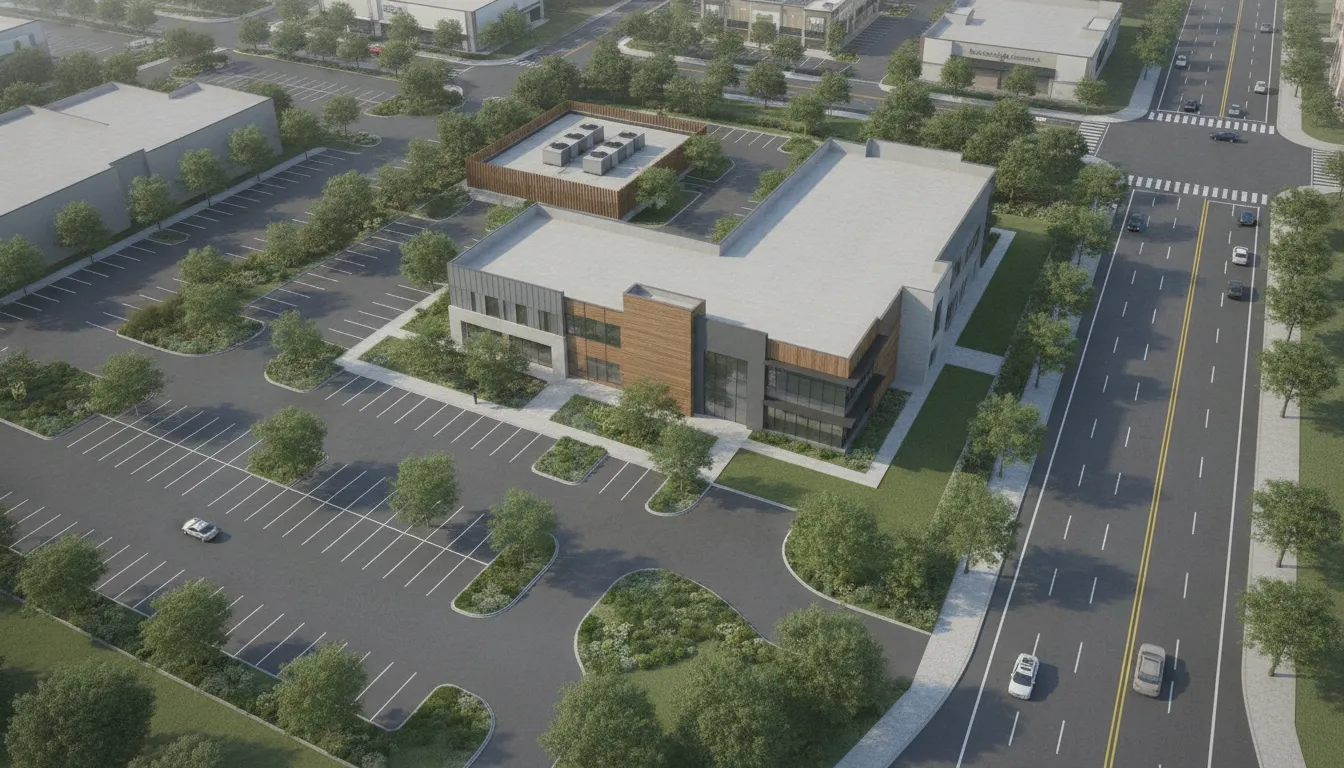
Commercial site plan permit checklist
Getting a permit for a new business project takes more than just a quick sketch. You must give the city a clear scale drawing that shows how you will work on the land. This site plans for permits helps the town see how the site will work for people and the local area. City teams use this map to check for safety and land use rules.
A good plan shows the city that you have thought about the impact of your work. It helps them see if your project fits the zone and the street flow. If your plan is clear, the permit team can work faster. This means you can start your project and open your doors with less of a wait.
Key land data for your permit
Most cities have hard rules for what your plan must show. You must mark all building lines and land edges with care. These parts help the city check if your work follows local land laws.
Missing even one small part can slow down your project for a long time. It is vital to be right with every line you draw on the map. To get your permit, your plan should follow these steps:
- Check your land lines and lot size. Your plan must show the exact shape of the land and how big the lot is from side to side.
- Mark all old and new buildings. This part covers the main building, any sheds, and even small storage units on the site.
- Plan for cars and parking. You must show where cars will enter the lot and how many parking spots you will have for guests.
- Add pipe and drain lines. City teams look for clear maps of water, sewer, and power lines to make sure the site is safe.
- List all setbacks and clear zones. Most site plan rules ask that you show land that must stay clear of new buildings.
- Note any tree lines or yard work. Some towns have rules about keeping old trees or adding green space to a business lot.
Fine details and land rules
Many projects need more data about the land. You may need to show flood zone data and base flood heights if you build near water. These facts are often a key part of a detailed commercial site plan for new build sites.
The city needs to know your project will not cause water issues for the neighboring properties. If you are not sure about your local rules, ask your city for a full list. Some towns may also ask for height data to check the land grade. Giving these facts early will help you get your permit with less stress.
It is better to check the rules now than to fix a plan later in the steps. A good site plan does more than just get a permit. It helps your team stay on track as they build. When everyone knows where the pipes and walls go, you save time and cash.
Why a clear plan helps your business
A clear map also helps you plan for future growth on your land. It is the base for every step of your project. You can get help with these maps without a long wait. Using full commercial site plans can give you the edge you need to start your work fast.
When your plan is right the first time, you can focus on running your new business. This keeps your costs low and your timeline on track. Having a professional map ready shows the city that you are serious about your new project.
When does a business need a commercial site plan?
Most city offices ask for a commercial site plan before you can start a new project. You will need one if you want to build on a piece of land or change an existing building. This map shows the city that your project meets local land rules. It shows where your building sits on the lot and how far it is from the road. These rules help keep the city safe and in good order for everyone.
Permits for new buildings and additions
If you plan to build a new building or add a room to your office, you must get a permit. The city will use site plans for permits to check your work. They need to see building lines and how far they are from the lot edges. Local offices use these maps to check for setbacks and easements on the land. They want to make sure your new building does not cross onto a neighbor's lot. This helps you avoid legal issues with other owners later on.
In some areas, you also need to show how water will flow off the site. New buildings often need to show flood zone data and floor heights. This helps the city know the building will stay dry during a big storm. If your plan is missing these facts, the city might not let you start your work. You may also need to show the limit of where you will dig and build on the lot.
Tenant improvements and space changes
Business owners often need to change the inside of a rented space. These changes are called tenant improvements. While some paint and carpet work is fine, big changes need a permit. If you move walls or add new doors, you may need to show how people will get in and out of the building. This map helps the city see that your building is safe for both staff and guests.
A good plan shows where pipes and wires go through the walls. It also shows if there is enough room for people to walk and work. If you add a small kitchen or a new bathroom, you must show these on the map. A clear map makes it easy for the building office to say yes to your project. This saves you time and helps you open for business sooner. Most cities want to see that your space follows all safety and fire rules before they let you open.
Parking lot work and outdoor signs
Changes to the outside of your business also need a map. If you want to repave your lot or add more spaces, the city must check the plan first. They want to see how cars will enter and leave your lot. This is called traffic flow, and it keeps the roads safe for everyone. They also need to know where the pipes and wires are under the ground before you dig or pour new concrete.
You will also need a commercial site plan to put up a new sign or add a fence. These maps show the height and spot of the sign to make sure it is safe for people to walk near it. It also shows that the sign does not block the view of drivers on the road. Getting a detailed commercial site plan ensures your outdoor project meets all city codes. This helps you avoid fines and keeps your project on track.
What should you prepare before ordering?
Getting your papers ready before you start can save you a lot of time. When you order a detailed commercial site plan, having the right facts on hand helps the team work fast. You want to make sure the final drawing meets all local rules so you can get your permit without any stress.
Check your local rules
Every city or county has its own set of rules for building. Before you order, call your local building office or check their website. Many towns have a list of items they want to see on a commercial site plan. These lists often ask for things like setbacks and easements to be clearly marked. Knowing these needs early helps you pick the right plan level for your project.
You should also ask about any special codes for your land. Some areas have strict rules for green space or parking. If you know these rules now, you can tell the drafting team. This helps them create a plan that fits local law the first time. It also helps you avoid extra work or long waits later in the process.
Gather your site data
To start your order, you will need to provide the exact address of the land. It also helps to have a clear idea of what you want to build or change. If you have old site plans or tax maps, keep them ready to upload. These files give the drafting team a head start. They can use the old data to find your property lines and existing structures more quickly.
Check if your area needs technical data like flood zone info. Some projects for new commercial buildings must show flood heights or specific datum points. If you have this info from an old report, it will make your new site plan much better. Having these facts ready ensures your site plans for permits are as full and clear as they can be.
Choose the right package
Think about how fast you need your plans. Most orders are ready in less than 24 hours, but complex jobs can take a bit more time. Look at the package options to see which one fits your project scope. For most business needs, the Detailed Commercial plan is the best choice. If your project is very large or has many parts, "The Works" package might be better.
You should also keep your deadline in mind. If you are close to a filing date, tell the team about your timeline. Knowing your goals helps them give you the best support. Plus, look for services that offer a money-back guarantee and free revisions. This gives you peace of mind that your permit filing will stay on track even if the city asks for a small change.
Choosing the right commercial site plan package
The right package depends on your project's scope and the checklist from the reviewing office. Confirm the required details first, then select the plan level that covers them without adding unnecessary complexity. You can also review My Site Plan's transparent site plan pricing before ordering.
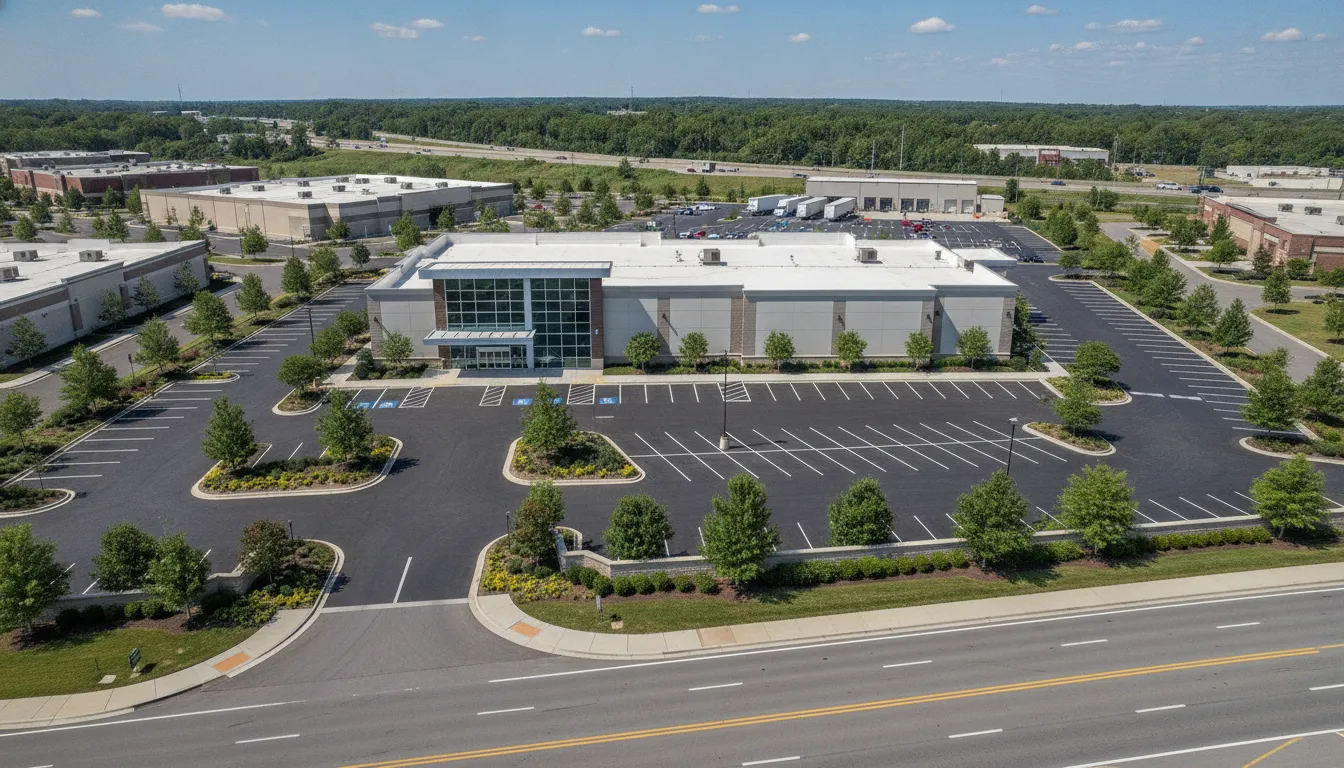
Matching plan depth to project scope
A detailed commercial site plan works well for many small to mid-sized projects. These plans often cover basic needs like building lines and parking spots. If your project has more layers, you may need more data. Large sites or new buildings often need more facts to get a green light from the city. This keeps your build on track and within your budget. Choosing the wrong package can lead to delays in your permit. Most cities have strict setbacks and easements that must be on the drawing. If these are missing, the city may send the plan back. It is best to check your local checklist before you buy a plan. This step keeps your project moving on time. You want to avoid the cost of slow work.
| Feature | Detailed Site Plan | The Works Commercial |
|---|---|---|
| Best Use | Minor changes or small sites | New builds and complex sites |
| Pricing | Starts at $179 | Starts at $279 |
| Revisions | Unlimited revisions | Unlimited revisions |
| Turnaround | Under 24 hours | Under 24 hours |
| Detail Level | Standard site details | Full property features |
Essential details for permit approval
Permit offices look for specific things on a commercial site plan. They need to see how your project impacts the area around it. This includes things like where water flows and where the power lines sit. Some areas also need vertical datum references for flood safety. A good plan shows these clearly so the city can say yes. Without these facts, your request may fail. Most cities want to see how people and cars move through your site. This includes driveway spots and paths for walking. If you are adding a small deck or fence, a basic plan may be enough. But for a whole new retail building, you will need comprehensive commercial site plans. These plans go into more depth to meet the high bar of city rules. High detail level helps you pass your review the first time.
Complex sites and zoning rules
Zoning rules can change from one town to the next. Some towns have very tough rules for commercial land. In these cases, your plan must be very clear. It should show where the property ends and where the street starts. It also needs to show all existing structures on the land. This includes sheds, pools, and other big items. Clear drawings help the city see that you are following the law. Using a remote drafting service is a smart way to get these plans fast. You do not need to wait for a site visit. These services use GIS and satellite data to create your plan. This helps you get your documents in less than a day. You can then submit your permit and start your build sooner. It is the best way to keep your project on a fast timeline.
How the online commercial site plan process works
The process of getting a detailed commercial site plan online is fast and simple. You start by sharing the details of your project. This includes your property address and any notes about the new work you plan to do. Our team uses this info to find the right data for your land. We use GIS and satellite tools to map your lot without visiting your site. This method helps us deliver your plan in less than 24 hours.
Pick your project package
You first pick the package that fits your goal. For many businesses, comprehensive commercial site plans are the best choice. These plans show all the parts your city needs to see. You will need to show things like setbacks and easements to meet local laws. Once you give us your address and a sketch of your plans, our experts start drafting your layout right away.
Drafting and GIS mapping
Our draftsmen look at land data to create a scale drawing of your lot. They map out the building lines, parking spots, and traffic flow. This step is key for commercial site plan needs like drainage and flood zones. We make sure the plan shows where utilities sit on your land. Since we do this work remotely, you do not have to wait for someone to come to your property.
Review and permit submission
You will get a draft of your plan via email to check. If you need any changes, we offer free revisions. This helps you get your site plans for permits just right. We stay with you until your local permit office says yes. If they do not accept the plan for any reason, we give you your money back. Once the plan is ready, you can submit it to your city and start your project.
How can you reduce permit review delays?
Reduce avoidable review delays by confirming the local checklist, defining the project scope, checking every label and dimension, and responding quickly to reviewer comments. A clear detailed commercial site plan helps reviewers understand the application efficiently.
Compare commercial site plan pricing and choose the package that fits your permit checklist.
Check local land rules
Each city has its own set of rules for new builds and changes. You should look at the local land development codes before you start. These codes set the rules for building boundaries, setbacks and easements. If your plan does not show these lines clearly, the city may send it back for a fix. Checking these details early saves you from long wait times later.
Keep the project scope clear
A simple, clear scope makes it easy for reviewers to see what you want to do. Use a site plans for permits service that focuses on the key parts of your site. You need to show traffic flow, parking, and where utilities will go. Avoid adding extra notes that do not help the permit goal. A clean drawing helps the city staff check your work without any confusion.
Review all labels and sizes
Small errors in labels or scale can lead to big delays. You must check that every dimension on your plan matches the actual site data. Municipalities often need plans to show flood zone data and vertical datum marks. Make sure all labels are easy to read and correctly placed. If a reviewer finds one wrong label, they might check the whole plan more closely, which takes more time. Careful review supports a smooth process.
Respond fast to reviewer notes
Most projects will get at least a few comments from the city staff. When you get these notes, you should reply as soon as you can. Provide the new drawings or data they ask for without delay. Using a service with fast revision turnarounds can help you stay ahead of your schedule. The sooner you give them the right info, the sooner you can get your permit and start building. Quick action keeps the project moving forward.
Frequently Asked Questions
What components must be included in a commercial site plan for permits?
A permit-ready plan must show clear details about your land. Most cities need to see building borders, property lines, and setbacks. You must also include items like parking spots, utility lines, and water flow paths. According to the Hillsborough County Gov website, you may also need to show flood zone data and floor heights. These details help the city see if your project meets all local building codes.
How much does a commercial site plan cost?
The cost depends on the level of detail requested by the reviewing office and the complexity of the property. My Site Plan offers transparent commercial package options, so confirm current site plan pricing before ordering and select the package that matches your checklist.
Can I prepare my own commercial site plan?
An applicant may prepare a plan if the reviewing office allows it, but the submission still has to meet that office's scale, detail, and format requirements. Commercial applications can involve parking counts, access routes, utilities, setbacks, drainage, and other coordinated details. My Site Plan's remote process helps organize the required information into a clear plan, with under-24-hour delivery, unlimited revisions, and guaranteed acceptance where applicable.
Why is a site plan necessary for commercial development?
A site plan is a key tool for the city to review your project. It shows how your new work will affect the land and the area around it. This includes things like traffic flow, parking needs, and utility lines. According to Austin Texas Development Services, these plans help prove that your project follows all land use laws. Without a clear plan, the city cannot check that your project is safe and legal to build.
Ready to order your commercial site plan?
Waiting to get your site plan can hold up your whole project and cost you much more than just time. Each day you do not have the right permit is a day you cannot work on your site or serve your customers. If you start now, you can get your plans in less than one day and keep your whole team moving forward. You will get a plan that meets local rules so you do not have to worry about costly delays or late fees. Our fast remote process is easy for any business owner who needs to get work done on time to meet their goals. Do not let complex paperwork slow down your growth or stop you from finishing your commercial build on time. You can count on our team to help you get the documentation you need to succeed.
Order your commercial site plan online to request your documents and stay on schedule.

