


So, you're ready to start a home project. You know you need reliable construction plans, but the thought of hiring an architect to draw plans probably makes your wallet nervous. And for good reason! While architects are invaluable for complex builds, they aren't the only pros who can create permit-ready drawings. For many common renovations and additions, you can get exactly what you need for a fraction of the cost. Let's break down when you need to call an architect and when a smart alternative will do the job just as well.
In this article, we break down the cost of an architect to draw house plans and discuss other alternatives that might better fit your project and budget.
Table of contents
How much does an architect cost to draw plans?
Most architects charge a fixed fee for drawing plans, ranging anywhere from $2,000 to $20,000.
The cost to have an architect draw plans depends on how big or complex the project is, so some architects use these pricing models:
-
Hourly rates ($100 to $250) for small projects.
-
Percentage of total project cost (5 to 20%) for larger buildings.
-
Price by square footage ($2 to $15 per square foot) for new constructions.
And if you’re just after a specific part of the plans, the cost for the architect to draw up plans
varies by type. For instance, a site plan would set you back anywhere between $300 to $1,000, while a structural drawing usually costs around $500 to $2,000.
Common Billing Methods
Knowing how architects structure their fees is key to budgeting for your project without any surprises. The final cost will depend on many factors, but most professionals use one of three primary billing methods: a percentage of the project cost, an hourly rate, or a flat fee. Each approach has its own benefits and drawbacks based on the size and scope of your construction plans. We’ll break down what each one means so you know exactly what to expect when you start getting quotes. This will also help you compare their pricing models to other options, like the straightforward process and pricing of an online drafting service.
Percentage of Project Cost
For larger or more complex projects, some architects charge a percentage of the total construction cost, which typically falls between 5% and 20%. For example, if your new home construction costs $500,000, the architect's fee could be anywhere from $25,000 to $100,000. This method is common for large-scale builds because the architect's involvement is extensive, from initial concept to final inspection. The fee structure aligns the architect's compensation with the overall scale and budget of the project, ensuring they are paid appropriately for the amount of work and responsibility involved in seeing it through.
Hourly Rate
An hourly rate is another common billing method, especially for smaller projects or consultations. You can expect architects' hourly rates to be between $100 and $250. This approach is often used when the scope of work isn't fully defined from the start or for services like initial design consultations, site analysis, or making minor revisions to existing plans. While it offers flexibility, it's important to get a clear estimate of the total hours required. Without a cap, costs can quickly escalate if the project encounters unexpected delays or requires more design iterations than anticipated.
Flat Fee
Many homeowners prefer a flat fee because it provides cost certainty right from the beginning. For drawing a set of plans, most architects charge a fixed fee that can range from $2,000 to $20,000. This price is based on the project's size, complexity, and the specific services included in the agreement. This billing method works best for projects with a clearly defined scope, like a straightforward home addition or a new build based on a pre-designed concept. It allows you to budget effectively without worrying about unexpected hourly charges piling up during the process.
What’s included in the cost to have an architect draw plans?
When a firm provides the estimated cost for an architect to draw plans, they should factor the below elements into the quote. However, you should clarify what’s included in their basic drawing plans to ensure it covers your needs.
-
Site plans, floor plans, and roof plans
-
Exterior elevations from each side of the structure
-
Basement or foundation plans, including footings and bearing walls
-
Section drawings showing cross-section views of the structure
The cost for an architect to draw plans is often high because they’ve got the know-how in code compliance and project management. However, not all projects require that level of skill. Knowing when you truly need an architect is the key to avoiding unnecessary expenses.
The Full Role of an Architect
It’s easy to think an architect’s job begins and ends with drawing up some plans, but their role goes much deeper. They are the creative visionaries who translate your ideas into a workable design. An architect considers how a new addition will flow with the existing structure, how natural light will fill a room, and how the space will feel to live in. They are trained to think through the entire project, from the big picture down to the smallest detail, ensuring the final result is not only beautiful but also functional and structurally sound. They help you see what’s possible with your space and turn those possibilities into a concrete plan.
Project Management and Client Advocacy
Beyond design, an architect often steps into the role of project manager and your personal advocate. Think of them as the captain of the ship, guiding the project through the often-choppy waters of construction. This includes handling the complex process of securing building permits, which involves submitting detailed plans to your local authorities. They also keep a close eye on the construction, making sure the builder follows the plans and that the quality of work is up to standard. An architect manages the budget, coordinates with different contractors, and helps you solve any problems that pop up, ensuring your interests are protected from start to finish.
What's in a Full Set of Architectural Plans
So, what are you actually paying for when you hire an architect for a full set of plans? You’re getting the complete instruction manual for your project. It’s always smart to clarify exactly what’s included in their quote, but a standard set of plans is quite comprehensive. It typically contains essential documents like site plans that show the property layout, detailed floor plans, and roof plans. You’ll also get exterior elevations showing how the structure will look from every side, foundation plans that detail the structural base, and section drawings that give a cross-section view of the building to show how all the pieces fit together.
Structural, Electrical, and Plumbing Drawings
For most projects, the architectural drawings are just one part of the complete construction package. To get your permits and actually build, you’ll also need specialized plans from other professionals. Structural drawings from an engineer will detail the building’s "bones," like beams and foundations. Electrical plans map out every switch, outlet, and light fixture, while plumbing drawings show the entire water supply and drainage system. These plans are non-negotiable for safety and code compliance. The architect usually coordinates with these engineers to make sure all the different plans work together seamlessly, creating a single, cohesive set of documents for the build.
The Architectural Design Process & Timeline
Key Stages from Consultation to Submission
The architectural design process is a step-by-step journey that transforms your ideas into a complete set of construction plans. It’s a thorough process for a good reason—it makes sure your project is feasible, compliant with local codes, and carefully planned before construction begins. The timeline can stretch over several months, so it helps to know what’s involved. It typically starts with an initial consultation to discuss your goals and finalize a contract. From there, the architect gathers all the essential information, which includes visiting the property and researching local building regulations, a phase that can take a few weeks.
After the initial research, the creative work gets underway. Your architect will create preliminary sketches and diagrams, and you’ll have several meetings to share feedback and refine the design. This part of the process often takes about two months. Once you’ve settled on a final design, the architect prepares the detailed plans and documents needed for your building permit application, which can take another month. As the experts at Denny + Gardner note, quality architectural plans are worth the wait because they guide the entire project and help prevent issues down the road. The last step is submitting the completed package to the authorities for approval.
Is the cost to have an architect draw plans worth it?
Whether you need an architect depends on the project scope and local building codes and regulations.
When to hire an architect
Work with an architect if your project involves:
-
Major structural changes to the building’s foundation, rooflines, and walls.
-
Legal and regulatory compliance, meaning certified construction documents (signed and sealed by an architect or an engineer) are required.
-
Large-scale projects, like custom homes, multi-story buildings, and high-end structures.
Understanding Legal Requirements and Local Rules
The rules for when you need an architect aren't one-size-fits-all; they change quite a bit depending on where you live. For instance, in some states, you don't need a licensed architect for many common residential projects. This can include new homes, renovations, or small additions that fall under a certain size, like those with up to four dwelling units and under two stories. This flexibility exists because these smaller-scale projects are often considered straightforward enough that they don't require the extensive oversight of a licensed architect. This is great news for homeowners and contractors, as it opens up more options for getting plans drawn without the high cost.
Because these regulations can vary so much from one town to the next, your first step should always be to check with your local authorities. Before you get too far into planning or hire any professionals, it's essential to understand the specific rules for your area. You can usually find this information by visiting your local government's website or by giving the building department a call. Taking a few minutes to do this upfront can save you a ton of time, money, and frustration down the road by ensuring your project complies with all local requirements from the very beginning. This simple check will tell you exactly what kind of plans and professional involvement your project requires.
When not to hire an architect
You can save yourself the cost of having an architect draw up plans if your project only includes:
-
Minor cosmetic updates and simple renovations, like painting, flooring, replacing fixtures, if there are no changes on the building’s foundation.
-
Straightforward construction and DIY projects, such as decking and adding fences.
-
Partial plans, like a simple site plan or subset of the construction drawings.
Remember to always verify with the local building department when making this decision.

Do I Need A Permit To Build A Fence?

4 Steps to Adding a Deck to Your Home
Managing Your Project and Responsibilities
Deciding to move forward without an architect for your project means you’ll be taking on a more hands-on role. This can be incredibly rewarding, giving you greater control over the outcome and your budget. However, it’s important to be realistic about the responsibilities involved. As one homeowner noted, if you manage the project yourself with just a contractor and drawings, you need to "be ready to make many decisions and handle potential issues that an architect would normally take care of." This path puts you in the driver's seat, which means you're responsible for steering the project to a successful finish, from coordinating schedules to solving problems as they arise.
How to Save Time and Money
One of the biggest draws of managing your own project is the potential for significant savings. By stepping into the role of your own general contractor, you could save around 30% on construction costs, since you won't be paying an architect's project management fees. The key to making this work is meticulous planning. Having clear, accurate, and permit-ready plans from the very beginning is non-negotiable. Starting with a professional site plan, for example, ensures your project is built on a solid foundation, which helps you avoid costly delays and revisions with your local building department. This upfront investment in quality drawings is one of the smartest ways to protect your budget and timeline.
Acting as Your Own General Contractor
Taking on the role of a general contractor is a serious commitment. It’s more than just having a vision; it’s about execution. You’ll be the central point of contact for all subcontractors, from plumbers to electricians, and you'll be responsible for scheduling their work in the correct sequence. You’ll also handle sourcing materials, managing the budget, and ensuring every aspect of the job meets local building codes. As one discussion points out, creating proper construction drawings is a complex process that helps "find and fix problems before building starts." This highlights the need for a deep understanding of the construction process. If you’re organized, decisive, and have the time to dedicate to the project, being your own GC can be a fantastic experience.
How to obtain construction plans without an architect
If you’ve decided that the cost of having an architect draw house plans is too high, here are other ways to get construction plans:
Work with other construction professionals
Structural engineers and draftspersons also create construction plans, usually at a lower cost than architects. However, their hourly fees might also add up if the project takes longer than expected.
Draftsperson
A draftsperson is a skilled professional who specializes in creating technical drawings and plans. While they don't typically handle the creative design aspects, they are experts at translating ideas and specifications into precise, detailed drawings. For simpler jobs, like creating drawings of an existing structure (often called as-built plans) or getting a basic drawing for a permit application, a draftsperson is often a more affordable and perfectly suitable choice. They can provide the necessary documentation for your project without the comprehensive (and costly) involvement of an architect, making them a smart pick when your needs are straightforward and technical.
Home Designer
If your project is residential, a home designer (or residential designer) is another excellent alternative. These professionals focus specifically on designing homes and living spaces. While they may not have the same state licensure as an architect, they possess deep knowledge of residential construction, space planning, and aesthetics. A home designer can work with you to create custom home plans or remodel designs that are both functional and beautiful, often for a fraction of what an architect might charge. They are a great middle-ground for projects that require creative design but don't involve complex structural engineering.
Design/Build Company
For those who prefer a streamlined, all-in-one approach, a design/build company is an ideal solution. These firms handle both the design and construction phases of a project under a single contract. This integrated model simplifies communication, as you have one point of contact throughout the entire process. It can also lead to significant cost and time savings by improving collaboration between the design and construction teams from the very beginning. If you want to avoid the hassle of coordinating between a separate designer and contractor, this option offers a cohesive and efficient path to completing your project.
DIY
Using AutoCAD, SketchUP, or Adobe Illustrator to draw your own site plan is another budget-friendly way to obtain plans. However, getting measurements right and ensuring everything complies with building codes can be tricky without professional experience.
Rely on stock plans
Most online platforms or municipalities offer stock plans at a low price. The catch is these might not meet local codes or be the best fit for your site conditions, so consultation with a professional is still a good idea.
Find an online drafting partner
Online drafting companies, like MySitePlan, offer professional grade non-certified site plan drawings at more affordable rates than construction professionals. While these plans aren’t as detailed as an architect’s, they’re a solid choice for small- to medium-scale projects because they are more reliable than DIY and more customizable than stock plans.

How to Draw a Site Plan: A Step-by-Step Guide for DIY Homeowners and Contractors
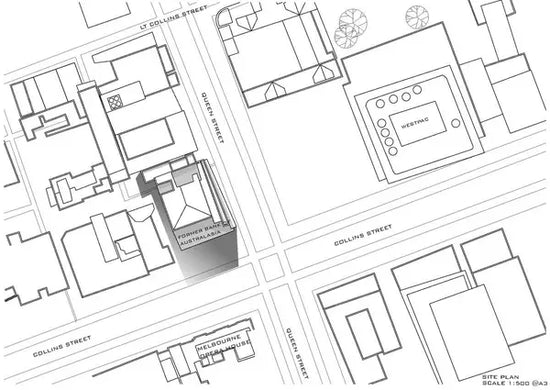
What to Include in Your Site Plan
Get affordable and reliable site plans with MySitePlan
Save time and money on your construction drawings with MySitePlan. Our team of Drafterra-certified drafters can deliver 100% compliant site plans and construction drawings in under 24 hours.
Browse our site plan packages and other services to see how we can help.
Plan drawing FAQs
How long do architects take to draw plans?
Smaller projects usually take a few weeks, while larger projects take several months.
Do you need an architect for a remodel?
You need an architect for remodels with significant structural changes, while simple remodels and cosmetic updates won’t require their expertise.
Can an architect draw a site plan?
Yes, architects can draw a site plan, but usually as part of their design services, so it can get a bit costly.
Can I use non-certified site plans to obtain building permits?
Yes, you can use non-certified site plans for permitting if the building department allows it. It’s always best to ask them directly.
This article was originally published on December 12, 2024. It was updated on March 31, 2025.
About the author
Ryan Crownholm
Ryan is a construction technology founder and former contractor with 15 years of hands on experience in residential and commercial construction. He has been creating site plans for more than 25 years, supporting tens of thousands of homeowners and contractors across the United States. As the founder of MySitePlan.com, his work is grounded in real world permitting requirements, plan review feedback, and practical compliance standards used by local building departments.
Key Takeaways
- Determine if an architect is necessary: While architects are essential for large-scale projects with major structural changes, you can often skip the high cost for smaller renovations, additions, or cosmetic updates.
- Explore cost-effective alternatives for plans: You can get professional, permit-ready drawings from other sources. Consider working with a draftsperson, a home designer, or an online drafting service to get the plans you need for a fraction of the price.
- Always check local requirements first: Before you spend any money, contact your local building department. A quick call will clarify exactly what type of plans your project requires, helping you avoid delays and unnecessary expenses.

