


When planning a new project, building permits probably aren’t at the top of your mind. Creatively drafting ideas, brainstorming elements of the building, and getting artistic with interior and exterior design are all far more interesting and fun than worrying about getting your hands on the correct documents.
Unfortunately, though, it’s not all fun and games. Your site plan will need to be reflective of what you’re going to build so that you can submit it for a building permit. Without a proper site plan, your project could go up in smoke before you’re ever able to break ground.
Although site permits are a real pain, they’re also a necessary part of starting a building project. In this blog, our team of experienced site professionals at My Site Plan will explore the ins and outs of permits, how to obtain one, and the permit fees you can expect for just about any building project you’re planning.
Table of content
Building permit costs typically range from about $150 to $3,000 depending on
the type and size of the project. Small jobs like plumbing or electrical work
may cost under $300, while larger construction or remodeling projects can cost
$500 to $2,000 or more. Fees vary based on location, project value, and local
regulations.
What exactly is a building permit?
A building or renovation permit is a government-sanctioned document that builders are required to obtain before beginning any construction, renovation, or additions on a particular site or property.
Every jurisdiction in the United States (including states, counties, and cities) has varying requirements for issuing permits. Every jurisdiction also has different building codes and costs associated with issuing permits as well.
Essentially, an area’s zoning board will determine what a permit covers once the site owner or building company submits the site plan. Then, the proper costs and fees need to be paid before the permit is issued. Once paid and issued, construction can begin.
Unfortunately, the building permit process doesn’t end once the permit is issued. After construction is completed, a government inspector will visit the construction site in order to conduct a full inspection. This is done to ensure the building or renovation passes the relevant codes. To note here, this inspection will cost you a further fee, so make sure to check this fee in advance and factor it into your costs.
Building permit costs in 2026

If you plan on starting a full-structure project or remodeling your home, obtaining the correct permits is crucial. They are designated by state and local governments to ensure the safe building of the structure.
The costs of a building permit will depend on a wide range of factors, including:
The size of the job
The type of work involved
The total construction cost
Where you live
And more…
Generally, permits for smaller tasks like electrical and plumbing work are on the lower end in terms of price and will typically set you back $50 to $300 according to HomeAdvisor. When it comes to the permits needed for construction projects, building houses, and remodeling, the costs can run much higher and are typically $500 to $2,000.
A building permit for any single structure can range from $300 to $2,000, on average. This often equates to between 0.5% to 2% of the total average construction costs. While it’s not a cheap process it is a necessary one.
Building permit average costs
The costs below include the average cost range for the permits needed for specific jobs. Depending on what area of the United States you live in, your costs may vary. Let’s explore some of the most common building permit costs in 2026, according to our friends over at HomeGuide.
Building a new house: $1,000 to $3,000
Building a new garage: $150 to $500
Garage conversion: $800 to $1,500
Room addition: $200 to $600
Bathroom remodel: $200 to $800
Deck: $50 to $150 (In some areas, deck renovation won’t require a permit if the renovation is relatively minimal.)
Shed: $50 to $145 (In some areas, shed renovation won’t require a permit if the renovation is relatively minimal.)
Pergola: $60 to $150 (In some areas, pergola renovation won’t require a permit if the renovation is relatively minimal.)
Building inspection: $100 to $500
Basement finishing: $200 to $1,000
Electrical: $50 to $350
Roofing: $150 to $500
Fence: $40 to $150
Plumbing: $30 to $500
HVAC: $50 to $1,500
General construction: $500 to $2,000
Window: $50 to $200
Demolition: $100 to $450
Related content:

Tools for calculating building permit costs
Figuring out what your total permit costs are going to be can be tricky. Luckily, there are a ton of excellent tools out there for calculating a more accurate number for your permit fees. One of our favorite tools is ImproveNet.
This tool involves simply entering your ZIP code in order to see the national average, minimum cost, maximum cost, and average range of your specific county for different types of projects.
Essential information on permit costs

Before we continue, let's briefly cover some other key factors you'll want to consider regarding overall permit costs.
Most construction companies typically include the costs and fees of building permits in their original estimates. This means you probably won't have to deal with paying extra for permits when working with a credible construction company.
How long it takes to receive a permit depends on several factors but primarily on the project’s size. You can sometimes get a permit in only a day or two for small projects, whereas it can take as long as two weeks to get one for a more extensive project.
If a homeowner acquires an owner-builder permit, they automatically assume all financial liability, insurance risks, and responsibility for adhering to building and zoning codes.
People can work with permit service providers, who will handle all of the paperwork, legalities, and inspections needed for permit acquisition. Their services may be costly, but they can help streamline the permit process.
According to law, any construction or renovation projects that don't require an official permit still need to follow all local zoning and building codes.
Has your building department requested a non-certified site plan so you can acquire all of the permits required to get your project started? Our team of highly-trained drafters from My Site Plan is here to help, so consider contacting us today to learn more!
Residential vs. commercial permits

It’s important to understand the distinction between a residential project and a commercial project before submitting the necessary paperwork.
Commercial buildings usually represent businesses. The requirements and permit approval processes are significantly stricter for commercial buildings as they are typically open to the public. The fees for getting a permit and inspections are also more expensive.
Residential buildings refer to homes or living spaces for families, residents, and individual members of the public. Usually, permit requirements and the approval process for permits are significantly less strict and generally operate on an individual basis. The required fees will depend heavily on individual county regulations, the location of the building, and the type of renovation or construction that will take place.
Residential and commercial permits are very different. For example, commercial buildings will need to apply for the same building permits as residential spaces for any type of new construction or remodeling plan. Additional evaluation and inspection are also required and will apply to the total cost, along with the general building permit fee.
This fee is typically around 5% of the contract's total value in addition to building permit fees. Commercial buildings are subject to very rigorous inspection fees to comply with government regulations for safety. Residential buildings, on the other hand, are only required to pay county rates.
The best way to find an exact price for these fees would be to contact your local government during the site planning process. However, there are various ranges you can keep in mind for average permit fees regarding both property types.
Residential building permit fees
According to HomeGuide, residential construction for family homes and condos typically involves building fees ranging from $0 to $400 for more minor repairs and projects, while significant structural work, remodeling, and new construction average between $600 and $3,600. However, after-the-fact or as-built homes can require permits that cost as much as $2,000 to $8,000.
Commercial building permit fees
Unlike residential building permits, which typically involve a wide range of factors for permits- including fencing, foundation, HVAC, and much more, commercial building permits are often based on total building size. Generally, permits for commercial buildings cost between $0.15 and $0.84 per square foot of space, which equates to around 1% to 5% of the project’s total value. However, permit fees are also impacted by construction type and occupancy classification, such as healthcare, industrial, business, or high hazard.
For example the permit cost for a:
5,000-square-foot building would range from $750 to $4,200
10,000-square-foot building would range from $1,500 to $8,400
25,000-square-foot building would range from $3,700 to $21,000
50,000-square-foot building would range from $7,500 to $42,000
Demolition permit costs
Although we’ve been exploring building permits, it is important to keep the idea of demolition permits and costs in mind when planning your next project . After all, many construction and remodeling projects require demolition before building can occur and you usually need a permit even to knock down a single wall! A project may also have to undergo some demolition if any significant errors occur during the construction process.
Like building permits, a demolition permit’s overall costs and fees depend on various factors, such as what’s being demolished and how much material is involved. On average, a demolition permit will cost anywhere between $100 and $450, though some cities automatically include demolition permits as part of a building permit, saving people money.
Additional demolition permits may be required if you are:
Demolishing a historic landmark (between $300 and $10,000)
Relocating or capping lines (between $100 and $150 each)
Removing trees (especially older, larger, healthy, or rare trees)
Closing a public right-of-way
Dust control
Altering city zoning regulations
Related content:

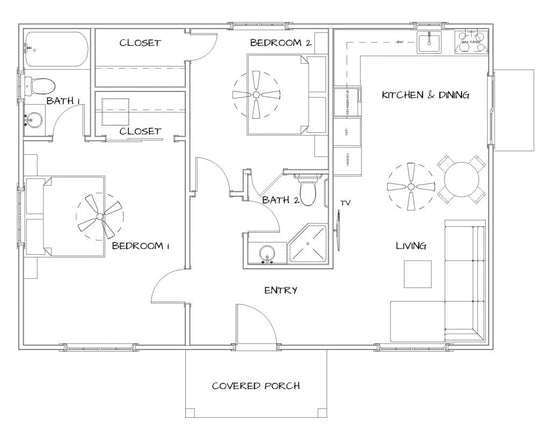
Site plans for permits from MySitePlan
During the permit granting process, builders and contractors will often need to provide their local government with a site plan in order to gain approval. But as we’ve discussed in this article, ensuring you have the right documents in place can be complicated and time-consuming. That’s where MySitePlan can help!
MySitePlan offers a variety of non-certified site plans that include buildings, lot lines, landscapes, and more. We use public data and send the plan to the client to verify dimensions and mark any changes on the plan, which we update free of charge.
Drafting a site plan has never been easier, so contact us today to learn more about how we can help! And if you’d like to access even more essential know-how on site plans, permits, construction, and more, please don’t hesitate to also explore our wide selection of other educational resources.
This post was originally published on 2019-09-04. It was last updated by Ryan Crownholm on 2026-03-19 to reflect new information and current prices.
About the author

Ryan Crownholm
Ryan is a construction technology founder and former contractor with 15 years of hands on experience in residential and commercial construction. He has been creating site plans for more than 25 years, supporting tens of thousands of homeowners and contractors across the United States. As the founder of MySitePlan.com, his work is grounded in real world permitting requirements, plan review feedback, and practical compliance standards used by local building departments.

