



Guaranteed Sites Plans in Under 24 Hours

Whether you custom build your dream house or use a developed lot, building a home can be a daunting and expensive process. And, unfortunately, because there are many customizable build options, it can be challenging to determine how much it will actually cost to build a house.
In this article, we explore the key factors that will determine the cost of building a house and offer tips to help you estimate the size of the budget needed for your project.
Table of contents
How much does it cost to build a house? Factors that affect the cost of building a house Region Square footage Custom build or developed lot Upgrades that increase the cost of building a house Foundation Framing Major rough-ins Exterior finishes Interior finishes Additional costs Tips for determining the cost of building a house FAQs about the costs of building a house Getting started
The cost to build a house typically ranges from about $150 to $300 per square
foot, with most homeowners spending between $300,000 and $600,000 for a
standard home, excluding land. Costs vary based on location, materials, labor,
and design complexity, with custom or luxury homes often exceeding these ranges.
Quick Answer
How much does it cost to build a house?
According to the latest National Association of Home Builders (NAHB) construction cost survey, it costs an average of $392,241 to build a house. This same survey segmented the cost percentage of a “new construction” home’s sales price into:
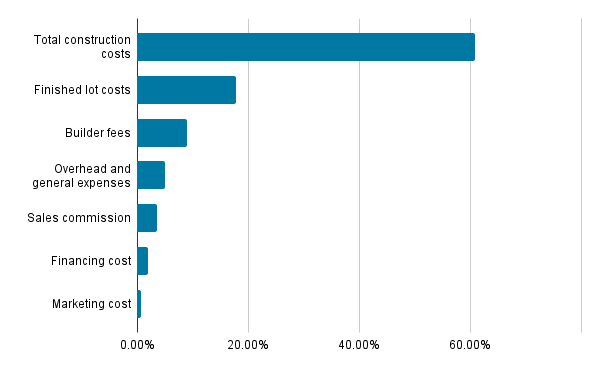
Source: Cost of Constructing a Home, February 2023, National Association of Home Builders (NAHB)
Without talking to a general contractor, an accurate ballpark home cost can be tough to estimate. But by examining major factors like regional costs, home upgrades, and square footage, you can put together a decent estimate of how much it costs to build a house.
Average cost to build a house in the US (2026)
Recent industry reports show that the average cost to build a house in the US in 2026 ranges widely—from about $139,000 to over $530,000. Most homeowners will land somewhere in the middle, with the national average sitting around $323,000 (excluding the price of land) according to Angi’s analysis. Meanwhile, the National Association of Home Builders (NAHB) estimates the benchmark cost for a standard 2,600-square-foot home to be closer to $428,000. These numbers can shift significantly depending on your location, home size, and the materials and finishes you choose.
Factors that affect the cost of building a house
Three key things affect the cost of building a house: where it is built, how big it is, and whether it’s fully custom-built or part of a development lot.
Region
The most significant factor in the cost of building a house is location. Building costs can vary dramatically depending on where you want to live. According to the latest US Census on New Single-Family Houses Sold by Price per Square Foot, the average building costs per square foot by region are:
- West: $217.11 per square foot
- Northeast: $212.18 per square foot
- Midwest: $159.11 per square foot
- South: $155.10 per square foot
If you live in the West or Northeast of the United States, it will be significantly more expensive to build the same house than in the Midwest and South regions. You can also face additional building costs and restrictions depending on the city, county, or state within each region.
Square footage
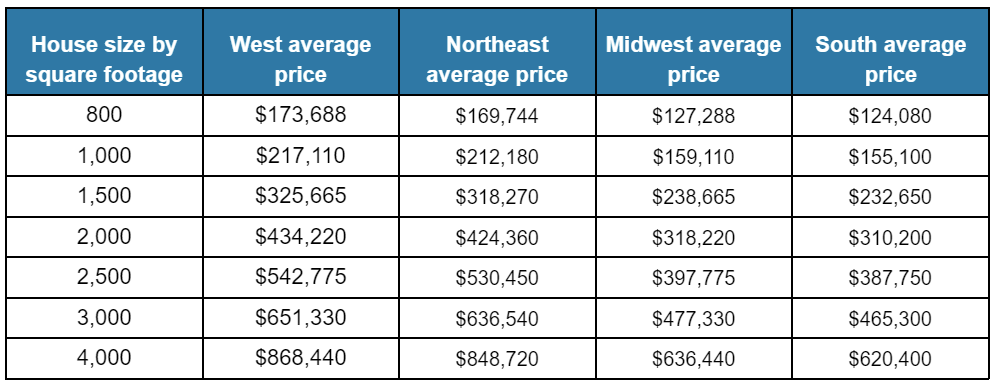
The US Census Bureau revealed that the current average single-family home size is 2,559 square feet of finished floor space. Once you know the square footage of your new home, you can multiply it by your region’s average building cost per square foot to get a base estimate for the cost of building a house.
We’ve also created a handy table to get you started:
Tips for reducing land survey and site preparation costs
If you're looking to save money before you even pour your foundation, there are a few smart moves to keep your land survey and prep budget in check.
First, check whether your lot already has an updated boundary survey on file—many previously developed parcels or resales do. If so, this can eliminate the need for a brand-new survey (which typically runs $500 to $1,200). Local county records or the seller’s real estate agent should be able to help you confirm what’s available.
When it comes to clearing and grading, choose your lot carefully. Heavily wooded or sloped parcels drive up clearing and grading costs significantly. If you have the option, select lightly wooded or mostly clear lots to reduce these expenses. Be sure to request multiple quotes from reputable local contractors; prices can vary widely based on vegetation, soil, and access. You can also check reviews and pricing on platforms like Angi or HomeAdvisor to ensure you’re getting a fair rate.
Lastly, ask if the land seller has already invested in clearing or leveling the lot—occasionally, parcels are prepped for sale and costs can be negotiated upfront or included in the sale price.
With a little research and a few savvy questions, you can keep these early construction costs in check and put those savings toward your future home’s finishes or must-have upgrades.
Custom build or developed lot
Building a custom home comes with additional costs over buying a home within a development. Custom-home buyers will need to hire an architect which can cost between $2 and $15 per square foot. Then they may need electricity, plumbing, and roads to reach the main networks depending on the lot.
As building a custom home can be expensive, many builders are shifting toward producing planned development communities. This allows developers and general contractors to offer more affordable new entry-level homes that are easier and cheaper to build. This gives the buyer some freedom for customization without the extra costs associated with a custom build.
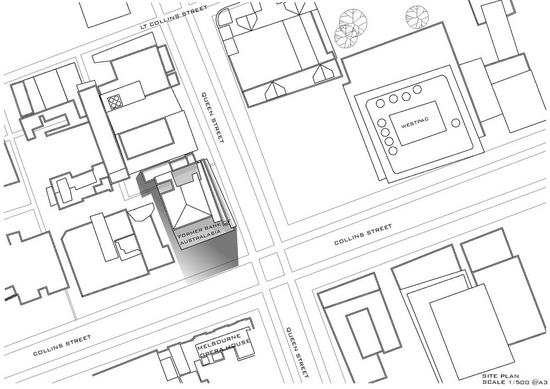
Are you building a custom home and need a site plan? My Site Plan can create an aerial-view drawing of your property for permits, planning, zoning, HOAs, and more.
Upgrades that increase the cost of building a house
The NAHB survey points to eight stages of construction that factor into the cost of a house:
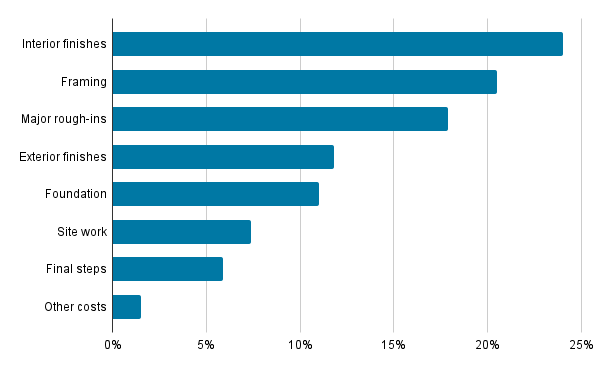
Source: Cost of Constructing a Home, February 2023, National Association of Home Builders (NAHB)
Many of these stages can dramatically affect the price of the home based on customization and upgrades.
Foundation
Laying the foundation is the first step in a new build. How much land needs to be cleared, graded, or the foundation’s complexity will factor into the cost of the foundation and contribute to around 11% of overall construction costs. Foundations cost on average around $43,000.
Framing
Depending on the complexity of the house design, framing can incur additional costs. The cost of framing includes labor, materials, and hiring subcontractors. Framing costs on average just under $61,000.
How foundation types affect costs
The type of foundation you choose—slab, crawl space, or basement—has a big impact on your budget. Slab foundations are typically the most affordable option, usually priced by the square foot. For a 2,000 square foot home, the concrete alone can range from $8,000 to $14,000, depending on factors like site preparation and local rates (according to Angi).
Crawl space and basement foundations come with a higher price tag because they require more excavation and additional waterproofing. Complex soil conditions or tricky drainage may also drive up costs. For most homes, excavation for these types alone can start around $5,000 and go up from there, especially if the site presents challenges (per Siteprep.com).
In short, while slab foundations keep costs down, opting for a crawl space or basement means a bigger investment due to extra digging, materials, and waterproofing measures.
Standard vs. Luxury home construction costs
When it comes to new construction, the price can change dramatically based on the level of finishes and materials you choose. For a standard home, you can typically expect to pay between $150 and $300 per square foot across most of the country. However, if you’re dreaming of high-end finishes, premium materials, or a prime coastal location, the costs can easily soar past $400 per square foot.
Luxury features like custom cabinetry, imported countertops, upgraded appliances, or panoramic window walls will drive up your budget quickly. It's important to be realistic about your wish list—every upgrade, from spa bathrooms to chef’s kitchens, is reflected in the final price tag.
Understanding these potential variances can help you prioritize where to splurge and where to save as you plan your build.
Major rough-ins
Major rough-ins on a new home include HVAC systems, electrical, ductwork, plumbing, and other fixtures. The layout of the house can significantly affect the cost of installing these systems. These systems cost on average just over $70,000.
Typical hourly rates for major trades
When you’re planning your major rough-ins, it's helpful to know what you can expect to pay for skilled labor. Here’s a breakdown of average rates in 2026:
- Electricians: Most homeowners will see hourly charges ranging from $50 up to $130, depending on experience and region.
- Plumbers: Plumbing rates can vary more widely, typically falling between $45 and $200 per hour, with higher rates common in major metropolitan areas or for specialized work.
- General contractors: Rather than charging by the hour, general contractors usually take a percentage of the total project cost—often in the ballpark of 10% to 20%—for managing the job and coordinating all the moving parts.
It’s worth noting that the rates billed to homeowners are significantly higher than the actual wages these professionals receive. This difference covers overhead, insurance, tools, and the contractor’s own profit margin.
Exterior finishes
Exterior finishes include the house wrap, insulation, siding, windows, and doors. Materials for each of these finishes can vary in the price range. The average exterior finishes cost just over $46,000.
Related content:
How much do exterior materials cost per square foot?
The cost of exterior materials depends on your choices, ranging widely to match budget and style preferences. Vinyl siding remains the most cost-effective, typically priced between $4 and $8 per square foot (installed). Opting for wood or stucco siding can increase that figure, with these materials running anywhere from $7 up to $17 per square foot, thanks to their higher quality and labor requirements. Fiber cement offers a middle ground, generally falling between vinyl and wood in terms of price. Your decision here not only changes the immediate price tag, but will also impact long-term maintenance and curb appeal for years to come.
Related content:
Windows and doors: What to expect
When it comes to installing windows, most homeowners can expect to pay between $600 and $1,300 per window, which includes both the materials and professional installation. Doors vary by type: interior doors typically range from $200 to $800 each, while exterior doors can cost anywhere from $400 to $2,500, with the final price shaped by your choice of materials and design.
Interior finishes
The most significant factor in construction costs is interior finishes. These finishes include insulation, drywall, flooring, countertops, cabinets, fixtures, sinks, faucets, paint, appliances, and lighting. And each of these finishes has a broad range of costs depending on the upgrades that you choose. The average for total interior finishes is just over $94,000.
Material and design choices: Impacting value and upkeep
When it comes to material and design selections, your choices do more than set the mood— they shape both the immediate construction cost and your future expenses. For instance, siding options are a prime example: basic vinyl siding tends to be easier on the wallet upfront but may require more maintenance or replacement over the years. Step up to choices like fiber cement, wood, or stucco, and you’re investing in materials that often last longer and curb those long-term repair bills, though the initial costs can climb significantly (think $4.50 per square foot for vinyl, with premium options easily exceeding $14 per square foot).
The takeaway? Upgrading materials may raise your construction budget, but it can pay off by reducing maintenance headaches down the road. And beyond cost, quality finishes elevate the feel and value of your home—an added boost if resale is ever in the cards.
Additional costs
Other costs that can affect building a house include landscaping, cement for walkways and driveways, porches, home theaters, garages, pools, and sports courts.
Tips for determining the cost of building a house
When determining the cost of building a house, a few useful tips to remember include:
- Create a detailed construction contract with your general contractor.
- Pick a floor plan that works best for your family with little additional customization. Each change costs extra.
- Pad your budget for each stage of construction to minimize surprises.
- Determine your style for interior finishes and price out the cost for major finishes early.
- Upgrades are always desirable, but even the little upgrades add up.
- Add another 10% to your budget for the unexpected because something always comes up.
Key Takeaways
- The cost to build a house varies widely, but typically ranges from about $112,000 to $460,000+, depending on size, location, and design choices.
- It’s difficult to give an exact price because many variables impact the total cost, including materials, labor, market conditions, and customization.
- Location is one of the biggest cost drivers, affecting land prices, labor rates, permit fees, and even material availability.
- The cost of building a home does not usually include the price of land, which can significantly increase your total budget.
- Market trends (like inflation or material shortages) can raise or lower construction costs over time, making timing an important factor.
- Building a home is often more expensive than buying an existing one, but it offers full customization and a brand-new structure.
- The process involves multiple cost components, such as:
- Land purchase
- Permits and legal fees
- Materials and labor
- Design and customization choices
- Building takes more time and effort than buying, requiring active decision-making and involvement throughout the process.
- Despite higher costs, building allows you to design your home exactly how you want, avoiding outdated features and giving full control over layout and finishes.
- Overall, the key to success is understanding all cost factors upfront and planning carefully to avoid surprises during construction.
FAQs
Where is it cheapest to build a house in the US?
According to the US Census, it’s cheapest to build a house in the South of the US, where it costs $155.10 per square foot on average, though building a house in the Midwest only costs an extra $4.01 per square foot. This is significantly less than in the Northeast and West, where it costs $212.18 and $217.11 per square foot.
Is it cheaper to build or buy a house?
Various factors, including location, current real estate market conditions, materials costs, labor costs, and your specific preferences and needs will determine if it's cheaper to build or buy a house.
The best approach is to find out how much it would cost to buy a house in your chosen area, and then estimate the costs of building the same size house in that same area, then compare the two to figure out the best route for your specific situation.
What is the most expensive part of building a house?
According to the NAHD, interior finishes are the most expensive part of building a house, making up almost a quarter of the overall construction cost. Cabinets and countertops, as well as drywall, interior trims, doors, flooring, and painting contribute to the high costs of interior finishes.
What is the cheapest way to build a house?
There are different ways to reduce the costs associated with building a house. The cheapest way is to construct a barn-style house which is built using poles buried into the ground rather than a concrete foundation. This construction method saves significantly on foundation costs.
You can read more about cheap ways to build houses here.
How long does it take to build a house?
How long it takes to build a new house will influence how long you need to keep paying for your current or rented accommodation. According to the US Census, it takes on average 8.3 months to build a house, though it’s best to factor in labor shortages and supply-chain issues and allow for a few months delay.
Getting started
If you do your homework, you can come up with a decent ballpark budget for building a new house. Whether you decide to pick a development lot or build your custom dream home, you’ll be prepared for the extra costs.
Need help getting started on your new build or development? Contact My Site Plan for floor plans, site plans, subdivision design, 3-D design of your blueprint, and real estate marketing.
This article was originally published by Annie Rosellini on 2020-08-03. It was updated on 2026-04-02 by Ryan Crownholm, following the release of new data from the US Census and the National Association of Home Builders (NAHB).
About the author

Ryan Crownholm
Ryan is a construction technology founder and former contractor with 15 years of hands on experience in residential and commercial construction. He has been creating site plans for more than 25 years, supporting tens of thousands of homeowners and contractors across the United States. As the founder of MySitePlan.com, his work is grounded in real world permitting requirements, plan review feedback, and practical compliance standards used by local building departments.


