


Your garage is likely filled with everything except your car. It’s a space for forgotten projects, holiday decorations, and boxes you haven’t touched in years. But that cluttered space holds incredible potential. Transforming it into a living area is one of the smartest home improvements you can make. When you convert your garage to an ADU (Accessory Dwelling Unit), you add valuable square footage and create new opportunities. Think rental income, a private guest suite, or a home office. This guide breaks down the entire process, so you can confidently turn that underused space into a valuable asset.
According to a recent National Home Association of Builders study, over 1.4 million American properties in the United States have at least one garage to ADU conversion on it. If you’re thinking of going ahead with a garage ADU, here’s everything you need to know.
Table of content
What is an accessory dwelling unit?
An Accessory Dwelling Unit (ADU) is a secondary residential unit on the same lot as a primary home. ADUs are also known as mother-in-law cabins, cottages, carriage houses, and by many other names. They can be attached, detached, basement conversions, attic conversions, garage conversions, close to the primary home, or further back on the property.
State regulations guide an accessory dwelling unit's dimensions and structural designs, but they can have their own kitchen, bathroom, and living areas. ADUs provide affordable housing, generate rental income, support multi-generational living, and increase property value.
What is an ADU garage conversion?
An ADU garage conversion is basically a garage that has been converted into an additional dwelling on a residential property. So, instead of housing a car, the garage is converted into a home office, bungalow, mini-apartment, tool shed, or some other mini-dwelling function.
Garage to ADU conversions can be attached or detached and they're remodeled from existing sheds and garages. Some ADUs are positioned above or attached to a garage. However, an ADU garage conversion turns a pre-existing garage (or a portion of it) into an ADU.
Garage to accessory dwelling unit conversions are the second most common ADU conversion next to basement ADUs. They may be undertaken to expand a residential property, house a relative, or start a small business.

Types of Garage ADUs
When you think about a garage ADU, there are two main paths you can take. You can either work with the structure you already have or build something new that incorporates both a living space and a garage. Let's look at both options.
Garage conversion
A garage conversion is exactly what it sounds like: you transform your existing garage into a functional living space. Instead of a place to park your car or store old boxes, the structure becomes a home office, a small apartment for a family member, or even a rental unit. This is one of the most popular ways to add an ADU to a property because you're using a pre-existing foundation and frame, which can simplify the construction process. Before you start knocking down walls, you'll need to get the proper permits from your local building department. This process almost always requires a detailed site plan that shows the existing structures, property lines, and the proposed changes for your project.
ADU with a garage
The other option is to build an ADU that includes a garage. This approach is different from a conversion because you're creating a new structure. You might build a two-story unit with a garage on the ground floor and a living space above it, or a single-story dwelling with an attached garage. The main advantage here is that you don't lose your covered parking spot, which can be a huge plus for convenience and property value. However, this type of project is generally more complex and costly than a simple conversion. Since you're building from the ground up, you'll need a solid plan for everything from the foundation to the roof, and your permit application will require detailed drawings. Understanding the process and pricing for getting your initial plans can help you budget effectively from the start.
Can I convert my garage into an ADU?
Converting your garage into an accessory dwelling unit can be one of the simplest and most economical ways to create an additional dwelling on the property.
Reasons to do an ADU garage conversion
Taking advantage of pre-existing housing stock provides several benefits. Take a look at just a few:
-
Save on excavation costs: You can save on excavation and construction costs because your ADU's outer shell is already built. And, since the garage is a pre-existing structure, you won't have to give up any additional space from your yard by converting it to an ADU.
-
Match your existing home perfectly: The materials used for older structures may not be produced anymore, leaving your new ADU with a unique outer shell, unlike any other, while still matching your primary home.
-
Use existing utilities: You may already have water and power lines that run to the ADU, and you might even already have a sink or overhead lights! Plus, if your garage is attached to the primary residence, the newly converted ADU will offer easy access between the two buildings should the need ever arise.
-
Make your unofficial ADU official: Your garage may already have a cozy charm to it and it may already fit in with the neighborhood. In fact, you may already be using your garage as an unofficial ADU. Maybe you're using it as a man cave, she shed, or spare bedroom. All you'll need to do is bring it up to code and get permitted.
-
Increase housing: ADUs made from garage conversions offer housing in neighborhoods that would otherwise be full to the brim. This can be a benefit to the property owner and the tenant/family living in the ADU alike. It may allow the owner and the tenant to live in a neighborhood that neither would otherwise be able to afford. Plus, garage converted ADUs can add density discreetly to the neighborhood in a way that might not be noticeable by passersby!
Reasons against converting your garage to an ADU
For some, converting their garage to an ADU is a no-brainer. But there are reasons not to go through with it too. Here are four common deal breakers for ADU garage conversions:
-
Shared utilities: Once you begin investigating your property, it may come to light that you and your neighbor share a sewer line. If this is the case, you'll be looking at a considerable upgrade to your system.
-
Structural challenges: Sometimes, a garage may be in such disrepair that it can't handle the conversion because it’s, well, falling apart. Other issues that commonly arise are when the ADU beams are too weak to support the intended second story, or the ADU is sitting at a level that will be susceptible to flooding.
-
Asbestos: "Remnants of the Past" is a fancy way to say that you might find asbestos! Check closely.
-
Energy challenges: Some garage walls may be too thin to add layers to bring it up to code. In this case, it's necessary to fur out the walls.
Hidden costs can be everywhere with a project like this. It's best to analyze the situation before beginning any construction. Which brings us to our next point…
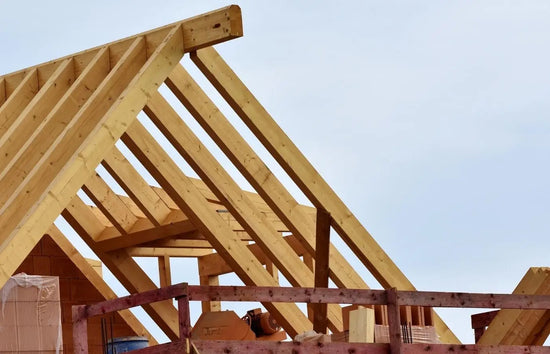
How to Get a Permit for an In-Law Unit
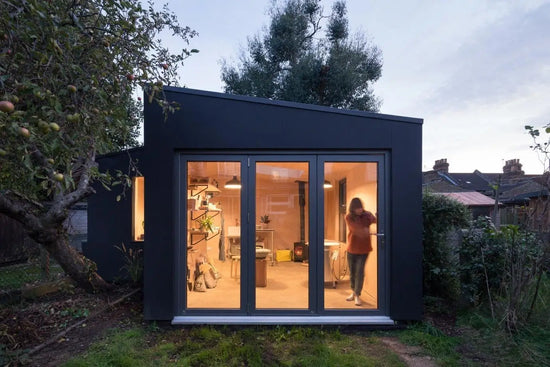
How to Build the Perfect In-Law Unit
Loss of parking and storage
This one might seem obvious, but it’s a major lifestyle change. Converting your garage means you'll no longer have covered parking, which is a valuable feature in areas with harsh sun or heavy snow. You’ll also lose a significant amount of storage space. Before you start, you need a solid plan for where to put your car, tools, bikes, and holiday decorations. Some municipalities also have regulations that require you to replace any off-street parking spots you eliminate, so be sure to check your local codes before committing to the project.
Condition of the existing garage
Not every garage is a good candidate for conversion. Sometimes, a garage may be in such disrepair that it can't handle the conversion because it’s, well, falling apart. A crumbling foundation, rotted wood, or a leaky roof can turn your project into a complete teardown and rebuild, which dramatically increases costs. Other common issues arise when the existing beams are too weak to support an intended second story, or the garage sits at a level that will be susceptible to flooding. A thorough inspection is critical to understand the structure you’re working with before you invest time and money.
How much does it cost to convert a garage to ADU?
It could cost you as much as $20,000 to $400,000 for you to initiate a garage to ADU conversion on your residential property. How much you ultimately pay for an ADU garage depends on your construction intent.
Are you converting a basement portion of your garage into an ADU or just the garage itself? Or are you converting your garage into an ADU and adding additional space as well? Such considerations like work hours, design costs, and materials cost will add to the final garage to ADU conversion construction costs. Additionally, you may have to consider neighbor land boundary lines, permits, and fines, and the cost of adding extra utilities.
Ultimately, it's best to get quotes and estimates to answer the "how much" questions because so much will depend on the specific property details and your location.
Average project costs
The cost of a garage conversion varies widely based on your location, the size and condition of your garage, and the level of finishes you choose. Generally, you can expect the project to cost anywhere from $20,000 for a very basic conversion to over $400,000 for a high-end, complex project. While that’s a huge range, it gives you an idea of the investment required. The final price tag depends on factors like whether you need to pour a new foundation, run new utility lines, or make significant structural changes to the existing building.
Typical cost breakdown
While every project is different, the average conversion cost is between $150,000 and $200,000, which is about half the cost of building a brand new ADU from the ground up. Your budget will be split across several key areas. This includes design and permit fees, which cover architectural drawings and essential documents like the site plan required by your local building department. Other major costs include structural work (foundation, framing, roofing), installing utilities (plumbing, electrical, HVAC), interior finishes (kitchen, bathroom, flooring), and exterior updates like windows and doors.
How a garage conversion saves you money
The biggest financial advantage of a garage conversion is that you’re working with an existing structure. You can save on excavation and construction costs because your ADU's outer shell is already built. This means you likely won't have to spend tens of thousands of dollars on pouring a new foundation, framing walls, or building a roof from scratch. These are some of the most expensive and time-consuming parts of new construction, so having them already in place gives you a significant head start on your budget and timeline.
Return on investment: Increasing your property value
Beyond creating a new living space, an ADU is a powerful financial tool. Converting a garage into an ADU can increase your property's value by as much as 35%. This addition not only adds valuable square footage but also introduces new possibilities for your property. You can generate consistent rental income to help pay off the mortgage or cover the project's cost, or you can provide a comfortable home for family members. It’s an investment that pays off both in immediate utility and long-term financial gain when it comes time to sell.
Planning for a contingency budget
No renovation project goes exactly as planned, especially when you’re dealing with an older structure. That’s why a contingency fund is essential. It’s wise to set aside an extra 10-15% of your total budget for unexpected issues that might come up during construction. This fund can cover things like discovering dry rot once you open up the walls, needing to upgrade the electrical panel to meet current codes, or dealing with unforeseen plumbing challenges. Having this buffer ensures that surprises don’t derail your project or force you to compromise on quality.
How long does a garage conversion take?
Patience is key with any construction project. On average, a garage ADU project usually takes 3 to 6 months from the start of planning to the final inspection. This timeline can be broken down into three main phases. The first is planning and design, which can take one to two months. This involves finalizing your layout, choosing materials, and gathering all the necessary documents for your permit application. Using a service like My Site Plan can help speed this up, as you can get a permit-ready site plan in as little as 24 hours.
The second phase, permitting, is often the biggest variable and can take anywhere from one to four months, or sometimes longer, depending on how busy your local building department is. Submitting a complete and professional application package is the best way to keep this stage moving. Once your permit is approved, the construction phase begins. This typically takes two to four months and includes everything from demolition and structural work to installing finishes and passing final inspections. Keep in mind that contractor availability and material delivery can also affect the overall timeline.
How to convert garage to ADU
Converting a garage comes down to one thing: following rules. As long as you carefully follow your local laws and regulations, you should be able to convert your garage. There are quite a hefty number of rules to understand and remember, so it is wise to seek professional help on your journey.
Success with this project hinges on the very beginning of the process: the plans. Whether you're converting a one-story garage or adding another level or horizontal addition, having reliable site plans created by expert CAD designers will ensure the project's ultimate success.
Take a look at these ADU regulations for Los Angeles to get an idea of what you’ll be looking for.
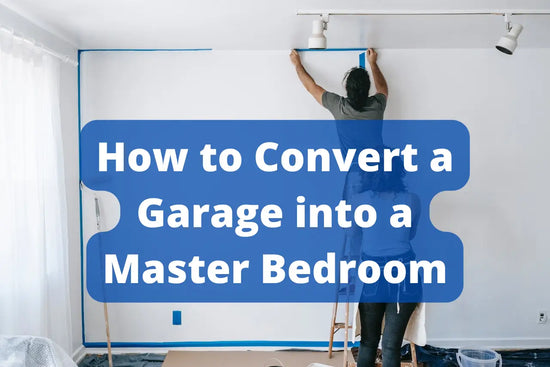
How to Convert a Garage into a Master Bedroom
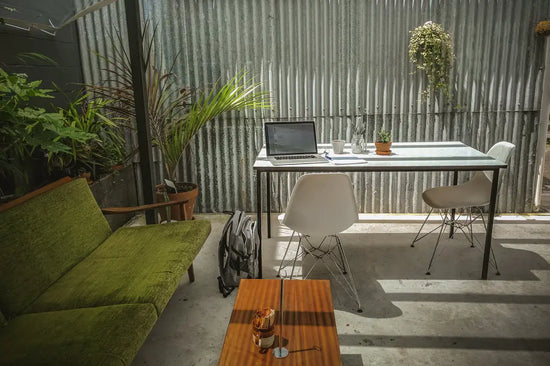
10 Best Backyard Workspaces
Step 1: Check local rules and zoning
Before you even think about picking out paint colors, your first move is to get in touch with your local planning or building department. This is a non-negotiable step. You need to confirm that garage ADU conversions are even allowed in your zone. Every city and county has its own set of specific rules covering everything from the maximum size of the unit to setback requirements and whether it can be attached or detached. You’ll also need to find out about parking rules; some areas require you to replace any parking spots you eliminate with the conversion. Getting a clear understanding of these regulations upfront will save you from major headaches and expenses down the road.
Step 2: Inspect the garage structure
Your garage was built to shelter cars, not people, so its current condition is a huge factor. It’s a smart idea to hire a professional building inspector to give the structure a thorough once-over. They can assess the integrity of the foundation, walls, and roof, looking for any hidden issues like cracks, leaks, or rot. An inspector will also check the existing electrical and plumbing systems, which are almost always insufficient for a living space. This inspection gives you a realistic picture of the work ahead and helps you budget for necessary repairs before you’re too deep into the project.
Step 3: Hire professionals and create plans
A successful conversion requires a solid team. You’ll likely need an architect or a draftsperson to create detailed drawings that meet all building codes. Before they can design the living space, they need a clear picture of your property. This is where a professional site plan comes in. At My Site Plan, we create the detailed drawings you need for your permit application, often in less than 24 hours, giving your team a solid foundation to build upon. You might also work with a designer to help map out the interior layout and finishes to make the most of the small space.
Step 4: Get your permits
With your plans in hand, the next step is submitting them to your city for permits. This process is an absolute must, and you should be prepared for it to take some time—anywhere from a few weeks to several months, depending on how busy your local building department is. You’ll typically need a bundle of permits for a garage conversion, including a general building permit, as well as separate ones for plumbing, electrical, and mechanical (like heating and cooling) systems. Don’t start any demolition or construction until you have all the approved permits; doing so can lead to hefty fines and stop-work orders.
Step 5: Make structural changes
Now the real transformation begins. This phase often involves the heaviest work of the entire project. You may need to pour a new, reinforced foundation or strengthen the existing one to support a living space. Many garages have low ceilings, so you might have to raise the roof to meet the minimum height requirements for habitable rooms. The most obvious change is replacing the large garage door with a properly framed wall that includes an entry door and windows. This is the step where the space truly starts to shed its identity as a garage and begins to look like a home.
Step 6: Install utilities
Getting your utilities right is critical for making the ADU a comfortable and functional living space. This means running new plumbing lines for the kitchen sink, shower, and toilet, and connecting them to your property’s main water and sewer lines. The electrical system will also need a significant upgrade. You’ll need a new subpanel and wiring to safely handle the power demands of lighting, outlets, kitchen appliances, and a heating and cooling system. This work must be done by licensed plumbers and electricians to ensure it meets code and is done safely.
Step 7: Insulate and ventilate
To make your new ADU comfortable year-round and compliant with energy codes, proper insulation and ventilation are key. Garages typically have little to no insulation, so you’ll need to add it to the walls, floor, and ceiling. This will help keep the space warm in the winter and cool in the summer, reducing energy bills. Installing energy-efficient windows and doors also plays a big role. Good ventilation, including an exhaust fan in the bathroom and potentially the kitchen, is also required to manage moisture and maintain healthy indoor air quality.
Step 8: Finish the interior
This is the most exciting part for many homeowners, as it’s when you see the space come to life. Once the "bones" of the ADU are in place, it’s time for the interior finishes. This includes hanging and finishing drywall, installing flooring, and putting in kitchen cabinets and countertops. You’ll also be installing light fixtures, plumbing fixtures, and all the appliances. Finally, a fresh coat of paint will complete the transformation, turning the former garage into a welcoming and move-in-ready home. This is where your design choices really shine and make the unit feel personalized.
Step 9: Get final approval
After all the construction is complete, you’re on the home stretch. Before you can officially use the space, your local building department needs to conduct a series of final inspections. An inspector will visit the site to verify that all the work—from the framing and electrical to the plumbing and insulation—has been completed according to the approved plans and meets all building codes. Once you pass all the final inspections, the city will issue a Certificate of Occupancy. This document is your official green light, certifying that the ADU is safe and legal to be lived in or rented out.
Navigating legal and regulatory details
Before you start knocking down walls or picking out paint colors, you have to get familiar with the legal side of your garage conversion. Every city and county has its own set of rules, and following them is the key to a smooth, successful project. Getting this part right from the beginning saves you from major headaches and unexpected costs down the road. It all starts with understanding your property’s specific limitations and requirements, which are usually detailed in local zoning codes and property records. This groundwork is essential for getting the necessary permits to proceed with construction.
Property line setbacks
One of the first rules you'll encounter are property line setbacks. A setback is the minimum distance required between your structure and your property line. For example, some areas in California require a 4-foot setback for ADUs. The good news is that if your existing garage is already closer than the required distance, you often don't have to move it. This can save you a significant amount of time and money. To confirm your property’s specific setbacks and the location of your garage, you’ll need a detailed site plan. This document is a foundational piece of your permit application, clearly showing your property boundaries and existing structures for the planning department.
Property deed restrictions
Beyond zoning laws, you also need to check for any deed restrictions on your property. A deed restriction is a private agreement that limits how you can use your property. In some cases, a deed might include a clause that requires a garage to be maintained specifically for parking vehicles. This is something that should be reviewed when you purchase a property, but it’s always a good idea to double-check your documents before starting a major project like an ADU conversion. If such a restriction exists, it could prevent you from legally converting the space, so it's a critical detail to confirm early in your planning process.
Buying a home with an unpermitted conversion
If you're considering buying a home with a garage that has already been converted, proceed with caution. An unpermitted conversion can create serious problems. If the work wasn't done to code and without the proper permits, your local building department may not recognize it as a legal habitable space. As the new owner, you could be held responsible for bringing the entire structure up to code or even tearing it down. It’s vital to verify the permit history of any existing conversion before you finalize the purchase to avoid inheriting a costly and complicated issue.
The "10 Year Rule"
In some jurisdictions, there’s a concept known as the "10 Year Rule." This rule suggests that if a breach of land or building use—like an unpermitted garage conversion—has existed for at least ten years without being challenged by enforcement action, it may be considered lawful. However, this is a nuanced legal principle that varies greatly by location and specific circumstances. You shouldn't assume this rule applies to your situation without consulting a legal professional or your local planning department. It can be a factor, but it’s not a guaranteed solution for an unpermitted structure.
Options for legalization
If you own or are buying a property with an unpermitted conversion, you may have options to make it legal. One approach is to request a retroactive permit. This process often starts with getting a building inspector to evaluate the existing work. They can tell you what, if anything, needs to be changed to meet current building codes. While this can provide some assurance that the city won't take action against you, it doesn't guarantee that all the hidden work (like wiring or plumbing inside the walls) is safe. To get the conversion fully permitted, you'll likely need to provide as-built plans, including a site plan, to your local building department for their review and approval.
ADU garage conversion tips
If converting your garage into an ADU sounds like the right choice for you, it'd be wise to consider having a contingency budget in place for any unforeseen cost possibilities. It'll also be worth the time and money to have an ADU professional analyze your property.
Most importantly, make sure to have My Site Plan draw your plans and work out the details with you before beginning any construction. We offer non-certified plans, just like the ones needed to convert a garage to an ADU. They will help decide what amount of detail your project requires. Take the guesswork out of the process and allow My Site Plan professionals to help you from here. When done with ample premeditated planning, an ADU garage conversion can be an exhilarating experience.

Garage ADU FAQs
What are the common legal requirements for converting a garage into an ADU?
Legal requirements can vary by location but generally include obtaining building permits, ensuring the structure meets zoning laws, adhering to building codes, and sometimes obtaining approval from homeowners' associations.
How long does a garage to ADU conversion typically take from start to finish?
The timeline for a garage to ADU conversion can range from a few months to over a year, depending on the complexity of the project, local regulations, and the efficiency of contractors and permit processing.
Can converting a garage into an ADU increase property taxes?
Yes, converting a garage into an ADU can increase property taxes as it typically increases the property's value. The exact impact on taxes can vary depending on local tax laws and the extent of the renovations.
Are there financing options available specifically for garage to ADU conversions?
Yes, some financial institutions offer specific loans for ADU construction, including home equity loans, personal loans, or renovation-specific financing options. It's advisable to consult with financial experts or lenders who specialize in home renovations.
What are the environmental impacts of converting a garage into an ADU?
Converting a garage into an ADU generally has a lower environmental impact compared to new construction, as it utilizes existing structures and materials. However, the impact can vary based on the materials used and the efficiency of the new dwelling.
How does the presence of an ADU affect resale value?
The addition of an ADU can significantly increase the resale value of a property by adding a potential income source or appealing to buyers looking for multi-generational living options. The exact impact can vary based on the market and the quality of the conversion.
This post was originally published on 2020-08-28 by Annie Rosellina. It was updated on 2024-06-05 by Ryan Crownholm to reflect the most recent data.
Design tips for making small spaces feel larger
Let’s be honest, most garages aren’t exactly palatial. When you convert this space, you’re often working with a small footprint. The good news is that you can make it feel much bigger than it is with a few clever design choices. The key is to create an environment that feels open, bright, and uncluttered. You can achieve this with an open-concept layout that combines living, dining, and kitchen areas to create a sense of flow. Using light paint colors on the walls and ceiling will reflect natural light, making the entire unit feel more airy and spacious.
To really maximize your square footage, think vertically and multi-functionally. According to Better Place Design Build, you should "use smart design choices like open layouts, multi-use furniture, light colors, and built-in storage to make smaller ADUs feel bigger and more useful." Opt for furniture that can serve multiple purposes, like a sofa that pulls out into a bed or a coffee table with hidden storage. Built-in shelving and cabinets are also fantastic because they use wall space efficiently without taking up valuable floor area, helping you keep the space organized and feeling expansive.
Alternatives to a garage conversion
A garage conversion is a popular and often cost-effective way to add an ADU to your property, but it’s not the only path forward. Before you commit, it’s worth considering if it’s truly the best fit for your situation. For some homeowners, the existing garage might be in poor structural condition, requiring extensive and costly repairs that would eat into the budget. In that case, starting fresh might make more sense. For others, giving up a dedicated space for parking, storage, or a workshop is a dealbreaker, especially in neighborhoods where street parking is limited.
If you find yourself in one of these situations, don’t worry—you still have great options for adding a secondary unit to your property. You could explore building a brand-new detached ADU from the ground up, which gives you complete control over the design, size, and location. Another increasingly popular alternative is a modular or prefabricated ADU, which can streamline the construction process significantly. Each alternative comes with its own set of considerations regarding cost, timeline, and site preparation, but they open up possibilities beyond the walls of your existing garage.
Modular ADUs
If the idea of a lengthy construction project on your property sounds like a headache, a modular ADU might be the perfect solution. These are also known as prefabricated or "pre-fab" units, and they are built off-site in a factory and then delivered to your property. As the team at Zook Cabins notes, modular ADUs "can save you a lot of the hassle, skill, and time involved in a garage conversion, as the company handles much of the building, delivery, and setup." This approach dramatically reduces on-site disruption and can lead to a much faster project timeline.
While the unit itself is pre-built, you will still need to prepare the site, which includes laying a foundation and running utility lines for water, sewer, and electricity. You’ll also need to secure the proper permits from your local building department. This requires a detailed site plan that shows the property lines, existing structures, and the precise location where the new modular unit will be placed. Even with these steps, many find the predictability and speed of modular ADUs to be a major advantage.
Comparing to other home additions
When you’re thinking about adding living space, it’s helpful to see how a garage conversion stacks up against other types of home additions. Compared to building a brand-new ADU from scratch, a garage conversion is almost always the more economical choice. As Cali ADU points out, "Converting a garage into an ADU is often a faster and cheaper way to add living space or get rental income compared to building a brand new ADU." This is because you’re using the existing foundation, walls, and roof, which saves a tremendous amount on materials and labor.
What about building up instead of out? Adding a second story to your home or garage is another option, but it’s typically the most complex and expensive. This type of project requires significant structural reinforcement to ensure the existing foundation and walls can support the additional weight. One homeowner on Reddit wisely noted that adding a second floor is "likely to be very costly, especially for older homes." For most people, the relative simplicity and lower cost make a garage conversion a much more practical and attainable project.
About the author

Ryan Crownholm
Ryan is a construction technology founder and former contractor with 15 years of hands on experience in residential and commercial construction. He has been creating site plans for more than 25 years, supporting tens of thousands of homeowners and contractors across the United States. As the founder of MySitePlan.com, his work is grounded in real world permitting requirements, plan review feedback, and practical compliance standards used by local building departments.
Key Takeaways
- Start with Research, Not Demolition: Before you begin, contact your local building department to understand the specific zoning laws and permit requirements for your area. A professional inspection is also crucial to confirm your garage's structure can handle the conversion.
- A Solid Plan is Your Foundation: A successful conversion relies on professional plans and official permits. You'll need detailed drawings, including a site plan, to get your project approved, so make sure you have all your permits in hand before construction starts to avoid fines and delays.
- Budget for the Expected and Unexpected: Converting a garage is a significant investment that can offer a great return. While it's often more cost-effective than building new, always set aside a 10 to 15 percent contingency fund to cover unforeseen issues that may arise during construction.

