


A missing site plan can stop a deck permit before the review begins. Gathering the full package first helps you avoid costly delays and preventable follow-up requests.
Order Your Deck Permit Site Plan →
A deck permit application usually needs a completed local form, a site plan, and construction details showing how and where the deck will be built. Before filing, confirm local rules and gather project dimensions, property information, contractor or homeowner details, and any required fee documents. Your site plan should mark the home, proposed deck, setbacks, easements, nearby features, and relevant elevations. Portland's deck guidance also calls for proposed structures, patios, driveways, walkways, trees, and ground elevations. Include construction details for footings, framing, stairs, guardrails, and materials. Some departments may also request supporting documents based on the project's scope and location. Since each building department sets its own rules, check its current application instructions before submitting your package.
The key question is not simply whether you need approval, but whether your application gives reviewers everything they need without delays. The next section, Deck permit checklist: what to gather before you apply, breaks the process into a practical order. Here's how.
Deck permit checklist: what to gather before you apply
Treat the deck permit package as one matched set, not a pile of forms. Before filling anything out, download the current checklist from your city or county building department. Use the same project name, address, dimensions, and owner details on every document.
Application and project details
Start with the permit application and confirm who must sign it. List the property owner, contractor, and primary contact as requested. If you plan to act as an owner-builder, ask which extra forms or proof the building department needs.
- Completed application form.
- Property address and parcel number.
- Owner and applicant contact details.
- Contractor license and insurance details, if required.
- Owner-builder forms, if applicable.
- Estimated project value and permit fees.
- HOA approval or design rules, if applicable.
Check local deck permit requirements before paying fees or ordering materials. Ask whether the department wants digital files, paper sets, or both. Also confirm its file naming rules and accepted payment methods.
Site plan and property layout
Your site plan should show where the proposed deck sits on the property. Label the deck length, width, stairs, and distance from each property line. Also show the home, garage, sheds, patios, driveways, walkways, and other existing features near the work area.
Setbacks and easements can affect where a deck may go. For example, Nashville states that decks cannot cross platted setbacks, utility easements, or a corner lot side-street setback. Review the local rules before finalizing the layout.
Use a clear scale and add ground elevations when the lot slopes. Portland's deck plan guidance calls for proposed structures, patios, driveways, walkways, and ground elevations on a site plan. A deck permit site plan example can help you organize these details.
- Property lines and required setbacks.
- Deck footprint, stairs, and dimensions.
- Distances from the deck to property lines.
- Existing buildings and nearby site features.
- Easements, rights-of-way, and sloped areas.
- North arrow, drawing scale, and labels.
Construction drawings and final review
Construction drawings explain how the deck will be built. Ask the building department which plan views and details it requires. Your set may need a framing plan, footing layout, elevations, connection details, stairs, guards, and handrails.
- Overall deck dimensions and height above grade.
- Footing sizes, locations, and depth.
- Posts, beams, joists, and spacing.
- Ledger and other connection details.
- Stair, guard, and handrail details.
- Material sizes and specifications.
Before submission, compare every drawing against the application and site plan. Fix mismatched dimensions, missing labels, and blank fields. Then confirm the required fee, HOA documents, number of plan sets, and the department's preferred submission method.
When do you need a deck permit?
You usually need a deck permit when the project adds a new deck, replaces an existing deck, changes structural framing, or affects stairs, guards, footings, or attachment to the house. Rules vary by city and county, so confirm the trigger with the local building department before work begins.
You will often need a deck permit when you build a new deck, replace an old one, or change its main structure. Still, there is no single rule for every property. Permit triggers depend on the city, county, deck design, and local building code.
Projects that often require a permit
A deck attached to a home often receives more review than a low, freestanding platform. Height above grade, total size, stairs, railings, and a roof can also affect the permit decision. Rules may be different when the property sits in a setback, flood area, or historic district.
Structural work is another common trigger. For example, Nashville states that replacing deck footings or framing requires a permit. Its rules also require a permit for a new or replacement deck. These examples show why the scope of work matters, not just the deck's size.
- Building a new deck or replacing an existing deck.
- Attaching a deck to the house or adding a roof.
- Replacing posts, beams, joists, framing, or footings.
- Adding stairs, guards, railings, or other safety features.
- Expanding the deck or changing its height above grade.
Repairs and small decks
Minor surface repairs may not need a permit in some places. Yet a project can cross the line when it includes a large area or structural parts. Nashville, for example, requires a permit when deck board replacement exceeds 100 square feet. Your local threshold may be higher, lower, or based on other factors.
Do not assume a low deck is exempt. Some jurisdictions use height or area limits, while others review any attached deck. A simple board replacement can also reveal damaged framing that changes the project scope. Review local deck permit requirements before removing materials or buying supplies.
How to verify the local rule
Contact the building department that serves the property before work starts. Describe whether the deck is new, attached, covered, raised, enlarged, or being repaired. Ask which size and height limits apply, and confirm whether zoning review is separate from building review.
Share a basic sketch with deck dimensions, height, property lines, and the distance from nearby structures. Also ask whether the application needs construction drawings, a site plan, or proof of contractor licensing. Keep the department's written answer with your project records, since it can help prevent delays during review.
This early check also helps uncover setback or utility limits. Nashville notes that decks cannot extend over utility easements or certain setbacks. Even when a deck appears exempt from a building permit, zoning or neighborhood rules may still apply.
What should the site plan show for a deck permit?
A deck permit site plan should show the property boundaries, existing structures, proposed deck footprint, stairs, landings, driveways, walkways, setbacks, easements, north arrow, scale, and distances from the deck to nearby property lines. Construction sheets can cover framing details, while the site plan explains where the deck sits.
The site plan gives permit staff a clear overhead view of the property and the proposed deck. It connects the deck's location with nearby features that may affect zoning review. Keep the page focused on the full lot, while construction sheets cover framing and structural details.
Property and project footprint
Start with the property lines as available, the street, and the existing home's footprint. Mark the proposed deck where it will attach to or sit near the home. Label the deck's length, width, and total size so reviewers can understand its footprint.
- Property boundaries and street frontage.
- Existing home, garage, sheds, and other structures.
- Proposed deck location, dimensions, stairs, and landings.
- Driveways, walkways, patios, pools, and other paved areas.
- Known easements and public right-of-way areas.
Showing nearby features helps reviewers see how the new work fits into the yard. Portland's deck plan guidance calls for proposed structures, patios, driveways, walkways, and ground elevations. Label each feature as existing or proposed to prevent confusion during review.
Setbacks, easements, and clear distances
A deck permit review often checks whether the project stays within required building areas. Add the distance from each deck edge to the nearest property boundary. Also show the space between the deck and nearby buildings, pools, patios, or detached structures.
- Distance from the deck to rear and side property boundaries.
- Distance from the deck to the home and other structures.
- Location of known easements near the proposed work.
- Deck height or grade notes when requested locally.
- North arrow, property address, labels, and scale.
Known easements deserve close attention before the deck layout is finalized. Nashville states that decks cannot extend over utility easements or certain platted and corner-lot setbacks. Local rules differ, so confirm the required setback distances with the building or zoning office.
A clear plan for permit review
Use simple labels and keep all dimensions easy to find. Avoid crowding the page with notes that belong on the deck construction sheets. If the yard slopes, ask whether the reviewer needs ground elevations or other grade details.
Compare the finished page against the local deck permit checklist before filing. A missing distance or unlabeled structure can lead to follow-up questions. For help presenting the deck and surrounding property features, review My Site Plan's site plans for deck permits.
Common missing items that delay deck permit approval
Get a deck permit site plan before you submit →
Gaps in the site plan
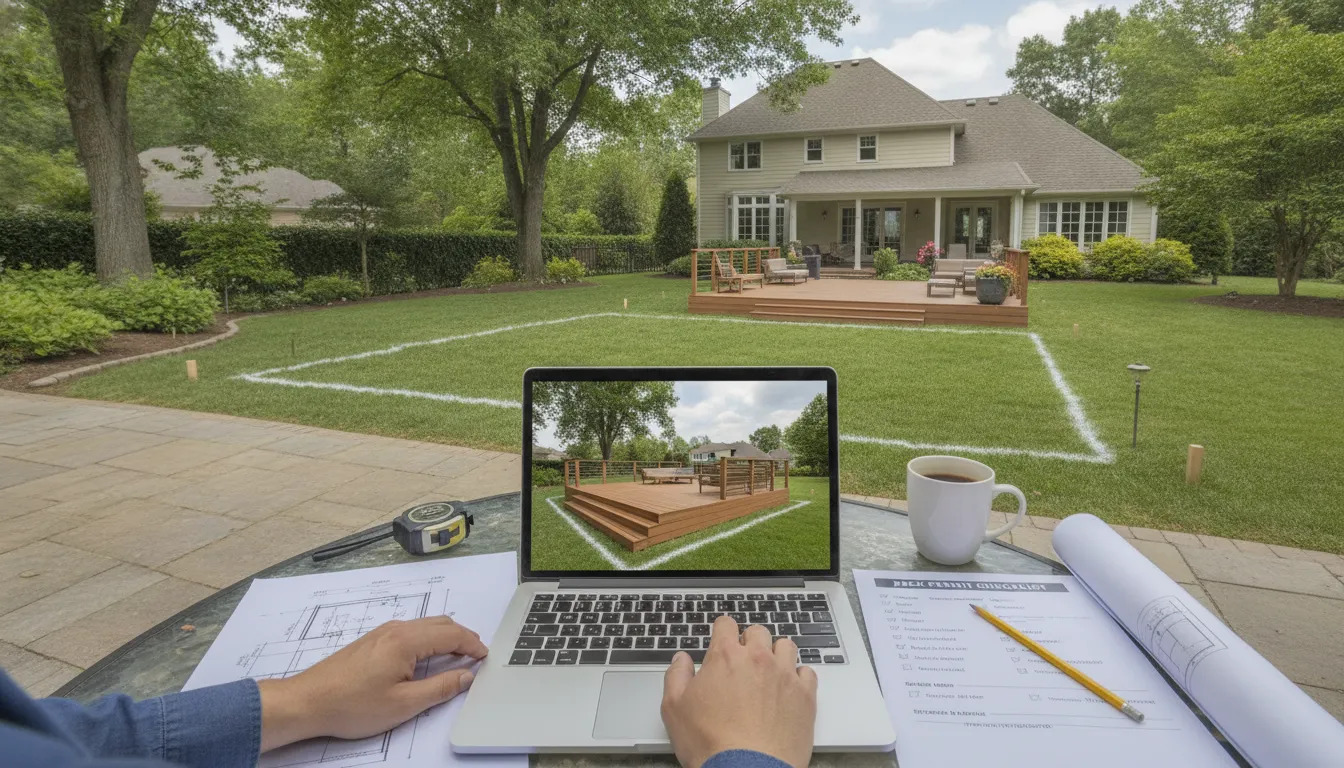
A reviewer needs to see where the proposed deck sits on the lot. An unclear footprint, missing dimensions, or an unreadable scale can prompt a correction request. Show the deck outline and label its length, width, and distance from each nearby property line.
Setbacks and easements also need close attention. Some local rules do not allow decks over utility easements or required setbacks. Check the local zoning rules before placing the deck. For context, Nashville's deck guidance bars decks across platted setbacks, utility easements, or a corner lot's side-street setback.
Do not leave out the stairs, landing, or path from the deck to the yard. These features change the full project footprint and may affect setback review. A useful deck permit site plan example shows how the planned deck can be placed in relation to the home and lot.
- Show the full deck footprint, including stairs and landings.
- Mark property lines, setbacks, easements, and the street.
- Include nearby structures, patios, driveways, and walkways.
- Label the drawing scale and all key distances.
Missing property and project details
A deck may be clear on the drawing while the rest of the lot remains vague. That can slow review because staff cannot assess how the project relates to existing features. Portland's deck guidance says a site plan should show proposed structures, patios, driveways, walkways, trees, and ground elevations. Review its detailed plan guidance as an example, then follow your own local checklist.
Also confirm that the plan matches the project described in the application. A covered deck may be reviewed under different setback rules than an open deck. Mark whether the deck is new, replaced, expanded, or covered. Include stairs and landings in both the written scope and drawings.
Application and payment problems
Even a complete plan set can stall when the application packet is incomplete. Use the form named by the local building department, not a form saved from an older project. Fill in the property address, parcel details, project scope, and owner contact information. Add contractor details when the department asks for them.
- Confirm whether the owner, contractor, or both must sign the form.
- Attach any HOA approval or HOA submittal requested for the property.
- Upload each required drawing in the accepted file type.
- Pay the application fee or deposit and keep the receipt.
Before submitting, compare every document against the department's current deck permit checklist. Ask whether fees are due at filing or after review. If a reviewer requests a site plan change, My Site Plan includes unlimited revisions with its packages. Its typical turnaround is under 24 hours, which can help you send the corrected plan back without a long drafting delay.
How to apply for a deck permit online
To apply for a deck permit online, find the correct local permit portal, create an account, choose the residential deck or building permit application, upload the required site plan and construction drawings, pay the fee, and save the confirmation number. Watch the portal for review comments and upload revisions promptly.
Online permit portals let homeowners submit plans, pay fees, and track reviews without visiting an office. Before you start, find the building department that serves your property address. Create one project folder so every drawing, receipt, message, and approval stays together.
Requirements before you apply
Read the department's deck permit page and application checklist first. Confirm which forms, drawings, file formats, and naming rules it accepts. Also check whether the portal requires the property owner, contractor, or both to create an account.
Most applications need a site plan and deck construction drawings. Your drawing set may show the deck size, location, stairs, guards, footings, framing, and connection to the house. Portland's deck guidance says a site plan should show proposed structures, walkways, driveways, and ground elevations.
Make sure the site plan and construction drawings agree. A mismatched deck size or location can cause review questions. To see how this document supports an application, review this deck permit site plan example.
Online application steps
Use the checklist below as a general workflow. Your local portal may use different labels or request extra details.
-
Open the correct application. Search by property address, then choose the residential deck or building permit option. Avoid starting a general inquiry when the portal offers a specific permit form.
-
Enter the project details. Describe whether the deck is new, replaced, repaired, covered, or attached. Add the owner, contractor, project value, and other requested details.
-
Prepare and upload PDFs. Export clear, readable files at the required page size. Upload the application, site plan, construction drawings, and any forms under the matching document types.
-
Review the submission. Check the address, scope, contact details, and uploaded files before submitting. Save a copy of the confirmation page and application number.
-
Pay the required fees. Follow the portal's payment instructions and keep the receipt. Some departments begin plan review only after payment clears.
-
Track the review. Check the portal and your email for status updates. Reply to reviewer comments, revise the requested sheets, and upload each replacement under the correct file label.
Review comments and approval records
Read every review comment before changing the drawings. Group related requests, update all affected sheets, and note what changed in your response. Do not replace files that the reviewer did not ask you to revise.
Once approved, download the permit, approved plan set, inspection instructions, and payment records. Keep the approved PDFs available during construction because inspectors may compare the work with those documents. If the design changes, ask the department whether it needs a revision before building the new version.
Which site plan package fits your deck project?
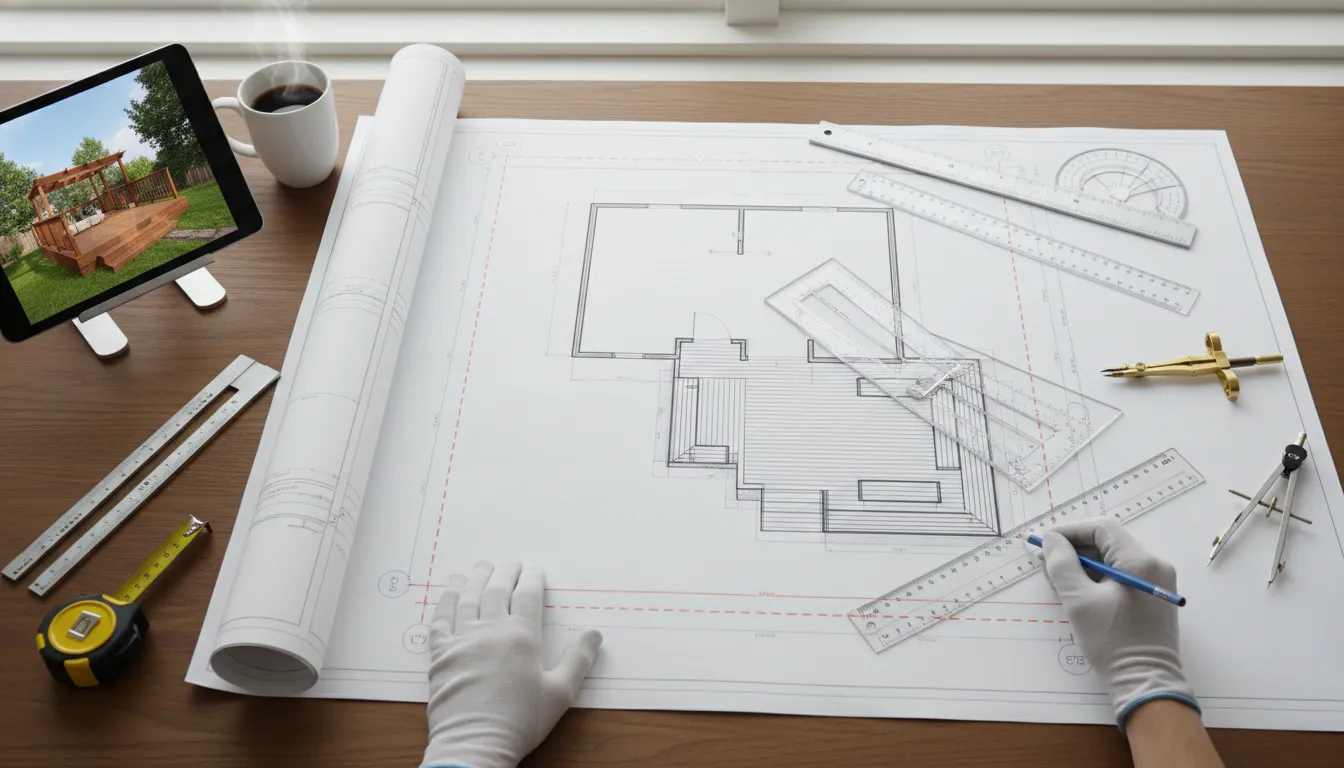
The right My Site Plan package depends on the local checklist for your deck permit. A simple request may need fewer site details, while a deck with setbacks, stairs, nearby structures, or added site features may require a fuller plan. Confirm the current package scope before ordering.
The right package depends on what your local permit office asks the site plan to show. Start with its checklist before you order. Then compare that list with each package's current scope, rather than choosing only by price.
Package comparison
My Site Plan currently lists three residential options that may suit a deck project. The prices below are examples from current customer materials, so confirm the live price and package details before ordering. A higher-priced option is not always needed, while a lower-priced option may omit details your office requests.
| Comparison point | Basic Plot Plan | Medium Site Plan | Detailed Residential Site Plan |
|---|---|---|---|
| Example price | $99. | $119. | $159. |
| Good starting point | Simple submission checklist. | Deck permit with added site details. | More detailed residential request. |
| Before ordering | Confirm required features. | Confirm deck and setback details. | Confirm the full detail list. |
| Best choice when | The office accepts a basic plan. | The office needs a fuller site view. | The office asks for extensive site detail. |
These are package-selection guides, not promises that one option will meet every local rule. Review each product's listed inclusions and send the permit checklist when asking which package fits.
Details to confirm first
Permit offices can ask for details beyond the deck footprint. Portland's deck guidance says a site plan should show proposed structures, patios, driveways, walkways, trees, and ground elevations. Its detailed plan guidance also calls for public right-of-way information on every site plan.
- Ask whether setbacks, easements, and nearby features must appear.
- Check whether the office wants grade elevations or other site details.
- Confirm whether separate construction drawings are also required.
If your checklist calls for added site detail, review the Medium Site Plan before choosing. The listed package scope should match the office's request as closely as possible.
A practical choice
Choose the least complex package that covers every item on the permit office's checklist. If the wording is unclear, ask the office what must appear on the site plan. You can also review a deck permit site plan example to see how a Medium Site Plan supported one deck application. Your local office makes the final decision.
How My Site Plan helps you move faster
A deck permit can stall when the site plan is missing details or does not match local rules. My Site Plan gives homeowners a remote way to order the drawing without arranging an on-site visit. You send the available property details and project information online, then the drafting team prepares the plan.
A simple online order
Start by checking what your local building office wants shown on the site plan. Requirements vary by location and project. For example, Portland asks applicants to show proposed structures, patios, driveways, walkways, trees, and ground elevations on detailed deck plans.
Once you know the local checklist, choose the plan package that fits the request. The deck permit site plan service is built for homeowners who need a clear property drawing for a deck application. You can submit the order and supporting details from home.
Fast drafting without a site visit
My Site Plan uses the property details you provide with available satellite and GIS-based information. A site visit is not required. This remote process removes the time needed to schedule an appointment, so drafting can begin sooner.
Typical turnaround is under 24 hours. That gives you a draft to review while you gather the other items needed for the deck permit application. If your building office asks for a change, unlimited revisions are included with every package.
You can also review the broader process for ordering site plans for permits before you begin. Gather the property address, deck location, planned size, and any notes from the permit office. Clear input helps the team prepare a useful first draft.
Support through permit review
Before ordering, compare the drawing levels on the site plan pricing page. The right choice depends on how much detail your local office requests. Sending the local checklist with your order helps the drafting team match the plan to those needs.
My Site Plan guarantees acceptance where its service applies and offers a 100% money-back guarantee if the plan is not accepted. This support can reduce delays caused by requested edits. It also gives you a clear path forward if the permit reviewer wants updates.
The permit office still decides whether the full application meets its rules. My Site Plan focuses on the site plan portion and can revise that drawing after reviewer feedback. This keeps the process clear while you handle any other required deck documents.
Frequently Asked Questions
What documents are required for a deck permit application?
Most deck permit applications need a completed form, a site plan, and construction drawings showing the deck's dimensions, framing, footings, stairs, and guards. The site plan should show property lines, existing and proposed structures, setbacks, and nearby features. The City of Portland also directs applicants to show patios, driveways, walkways, trees, and ground elevations.
How do I apply for a deck permit online?
Start at your local building department's website and find its residential permit portal. Create an account, select the deck or residential alteration application, and upload every requested drawing as a clear PDF. Pay the filing fee and save the confirmation number. Check the portal regularly, since reviewers may request corrections or added documents before issuing the deck permit.
Do I need a building permit to repair my deck?
Minor surface repairs may not require a permit, but local rules vary. Replacing structural parts usually requires review before work begins. For example, Nashville's building department requires a permit when deck footings or framing are replaced. Ask your local building department whether replacing boards, rails, stairs, joists, or supports triggers a permit.
Can I act as my own general contractor for a deck project?
Some jurisdictions allow an owner-occupant to manage work on a primary residence, but eligibility and duties vary. Before applying, ask the local building department whether owner-builders need registration, insurance, or extra forms. Acting as your own contractor means coordinating trades, scheduling inspections, following approved plans, and correcting any work that fails inspection.
Ready to Keep Your Deck Permit Moving Forward?
Waiting to prepare your site plan can leave your deck project stalled while materials, contractor schedules, and suitable building days continue to pass. Starting now gives you time to confirm local requirements, review your documents, and resolve missing details before they slow the permit review. With the site plan handled early, you can submit a more organized permit package and move toward construction with fewer avoidable interruptions.
Ready to move from checklist to permit application? Order your deck permit site plan to start preparing the required property details today. Request your plan now so you have time to review it, ask questions, and organize the remaining permit documents before submission. Taking this step early can help keep paperwork from becoming the reason your deck schedule slips.

